Microsoft, via its GitHub arm, has identified 99 confirmed security vulnerabilities across six open-source projects—including Express and ImageMagick—following an AI-driven pilot that first detected thousands of potential issues. The initiative aims to improve open-source security through automated scanning plus human verification. Fixes are already underway.
What happened: AI pilot uncovers hundreds of risks, 99 verified
The pilot deployed Microsoft’s AI tool dubbed “Codename MDASH,” powered by an early version of the MAI Cyber model. It initially scanned open-source repositories and proposed fixes for code flaws. GitHub’s Security Lab tools removed duplicates, discarded weak findings, and ranked issues by potential impact. Finally, seven researchers from Microsoft’s FORGE Lab manually audited what remained.
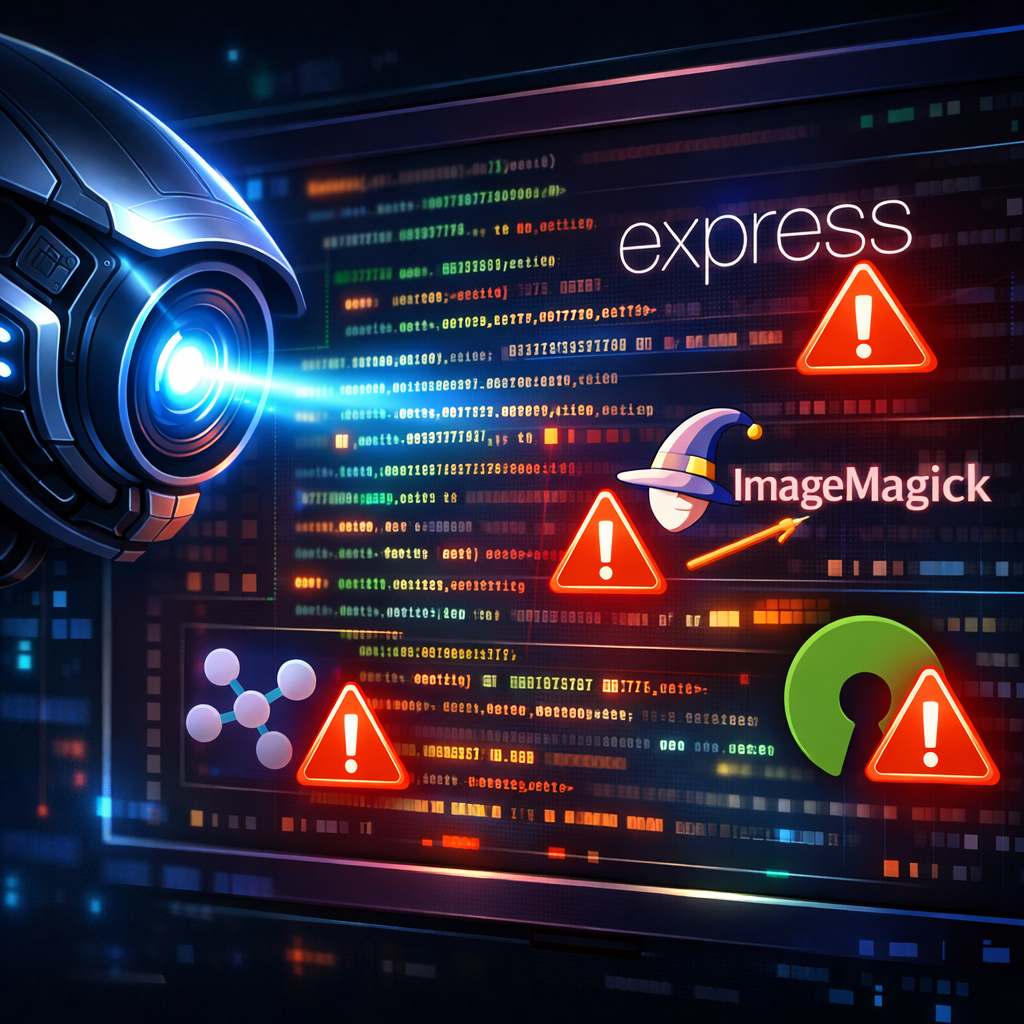
Out of the flagged vulnerabilities, 99 were confirmed and privately reported to the six projects: Express, ImageMagick, Caddy, AutoGPT, FastMCP, and Netty. By November 15, 55 fixes had been completed by maintainers, but only 14 had been incorporated into official releases. The remaining patches were still pending release.
Response by open-source communities: patches rolling fast
Caddy addressed all 22 issues reported to it within a week. ImageMagick’s two-person team received 22 reports, including one resembling a previously known flaw; the AI delivered enough new insight to prompt a fix within 15 minutes. AutoGPT’s maintainers were alerted to a security gap added in a recent update, went beyond Microsoft’s suggested solution, developed their own patch in one day, and got it into production in under a week. Express maintainers found the AI reports helped cut through noise in other vulnerability reports.
These results reflect early success—but the pilot was scoped small. It covered just six projects, and human review still required around two days per project. Also, a confirmed issue doesn’t mean users are immediately protected: there must be a new release containing the patch and users must update their installations.
What’s next: rolling out AI scanning more broadly
GitHub plans to expand the reviewed AI scanning service to all alums of its Secure Open Source Fund. The findings from scans will be delivered privately to maintainers. To further protect users, GitHub recommends that developers enable Dependabot alerts. That feature detects known vulnerabilities in dependencies. Once a public advisory is approved in the GitHub Advisory Database, Dependabot can alert repositories relying on impacted packages. This gives teams a chance to assess whether their running version is susceptible and update accordingly.
This pilot comes amid growing interest in AI-assisted code security. Microsoft previously used MDASH to expose vulnerabilities in the Windows codebase. The current effort marks one of the first tests in widely-used open-source projects where small teams are often responsible for maintaining critical infrastructure.
Analysis: This pilot showcases how AI tools can amplify human oversight to surface serious security problems rapidly—especially in projects where resources are thin. The speed of responses—from 15 minutes in one case, to under a week in several others—suggests a clear advantage. The key challenges ahead will be scaling this across thousands of repos, ensuring fixes make it into public releases, and motivating users to update. As GitHub expands access, it’s worth watching how this model affects open-source maintainers, software supply chain security, and whether AI’s promise translates into real protection in production environments.