The Future of Computing: AI Agents Set to Replace Traditional Apps and Operating Systems
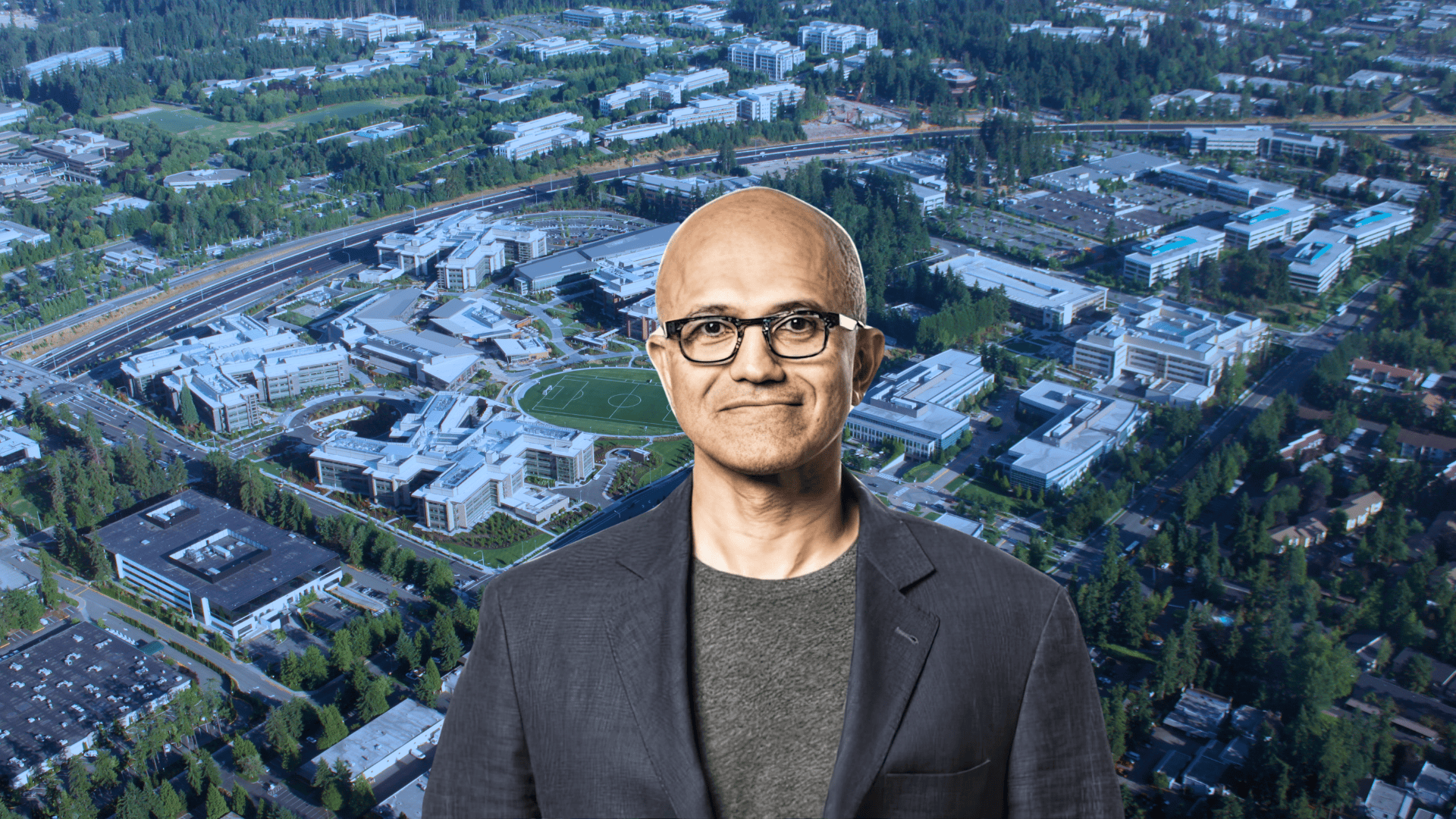
In a groundbreaking announcement at the recent Microsoft Build conference, CEO Satya Nadella unveiled a transformative vision for the future of computing. He emphasized that the era dominated by traditional operating systems and standalone applications is nearing its end, making way for intelligent AI agents that will revolutionize user interaction with technology.
Introducing Project Solara
Central to this vision is Project Solara, a collaborative initiative between Microsoft and Qualcomm. This chip-to-cloud platform is designed to deliver AI experiences that are deeply personal, context-aware, and seamlessly integrated across various devices and services. By leveraging Qualcomm’s advanced hardware capabilities alongside Microsoft’s robust software and cloud infrastructure, Project Solara aims to create a cohesive environment where AI agents can operate efficiently, both locally on devices and through cloud connectivity.
A Paradigm Shift in Computing
During his discussion with Qualcomm President and CEO Cristiano Amon, Nadella articulated the significant shift underway in the computing landscape. He stated, There’s a real platform shift. We’re moving from building operating systems, devices for apps, to agents. This statement underscores Microsoft’s commitment to transitioning from traditional software models to dynamic, AI-driven systems that proactively understand and fulfill user needs.
The Role of AI Agents
AI agents represent a new frontier in computing, moving beyond passive tools to become proactive partners in daily tasks. Unlike conventional applications that require manual input and navigation, these agents are designed to anticipate user requirements, perform complex tasks autonomously, and provide a more intuitive and efficient user experience. This evolution signifies a move towards systems that are not only reactive but also predictive and adaptive.
Implications for the Tech Industry
Microsoft’s strategic direction with Project Solara and the emphasis on AI agents signal a broader industry trend towards integrating artificial intelligence into the core of computing experiences. This shift is expected to influence various sectors, including software development, hardware design, and user interface paradigms. As AI agents become more prevalent, they are likely to redefine how users interact with technology, leading to more personalized and efficient digital experiences.
Looking Ahead
As the technology landscape continues to evolve, the integration of AI agents into everyday computing holds the promise of transforming how tasks are accomplished, information is processed, and services are delivered. Microsoft’s proactive approach with Project Solara positions the company at the forefront of this transformation, setting the stage for a future where intelligent agents become central to our digital lives.