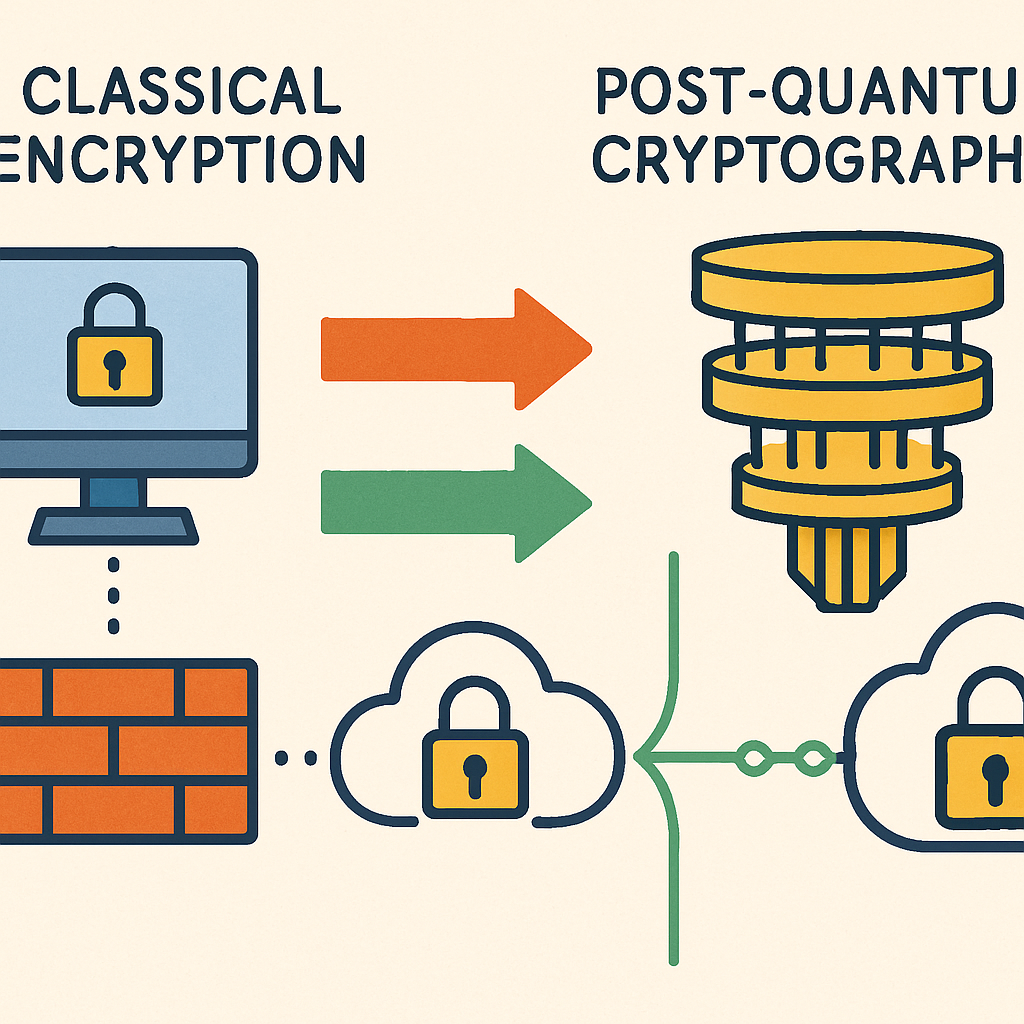
Microsoft has announced an acceleration of its quantum-safe security roadmap, aiming to transition critical products and services to post-quantum cryptography (PQC) by 2029. This decision reflects the company’s recognition that advancements in quantum computing may render current encryption methods obsolete sooner than previously anticipated.
Mark Russinovich, Chief Technology Officer of Microsoft Azure, emphasized the urgency of this shift, noting that the arrival of cryptographically relevant quantum computers could occur earlier than expected. He highlighted the significant preparatory work required and urged organizations to commence their transition efforts promptly.
To achieve this goal, Microsoft is expediting its Quantum Safe Program (QSP) and integrating PQC requirements into its Secure Future Initiative (SFI). Key areas of focus include:
- Upgrading network cryptography by adopting TLS 1.3.
- Enhancing crypto-agility for stored data, enabling cryptographic changes without necessitating system redesigns.
- Transitioning to PQC algorithms to secure trust chains, encompassing code signing, certificate issuance, key protection, and update pipelines.
Russinovich stated that embedding these capabilities into Microsoft’s platforms will empower customers to transition more confidently and swiftly. He underscored the importance of crypto-agility in the post-quantum migration process, advocating for the elimination of hard-coded algorithm assumptions and the development of systems where algorithm upgrades become routine engineering tasks rather than emergency overhauls.
Microsoft’s proactive stance aligns with recent governmental directives. Notably, an executive order signed by President Trump has set deadlines for federal agencies to migrate high-value assets and high-impact systems to PQC by 2030. This directive underscores the growing recognition of the “harvest now, decrypt later” threat, where adversaries collect encrypted data now to decrypt it once quantum computers become operational.
Other tech giants are also taking steps toward quantum resilience. In March, Google announced a program to ensure HTTPS certificates in its Chrome browser are secure against future quantum threats. The company has committed to migrating its infrastructure to be quantum-secure by 2029. Similarly, Cloudflare has outlined plans to transition to PQC within the same timeframe.
These developments highlight the industry’s collective acknowledgment of the impending quantum era and the necessity for robust, forward-thinking security measures. Microsoft’s accelerated timeline serves as a call to action for organizations worldwide to prioritize their own quantum-safe transitions, ensuring the continued protection of sensitive data in the face of rapidly evolving technological landscapes.