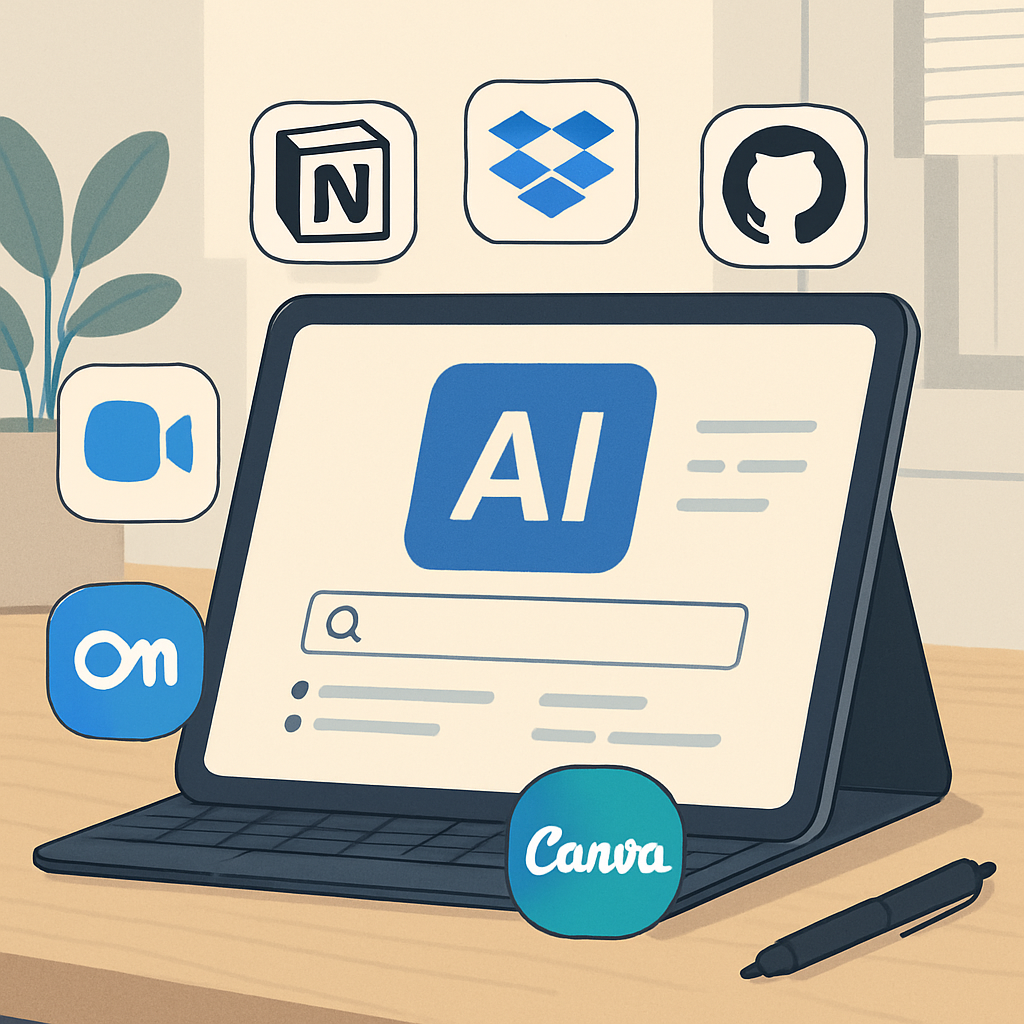
Meta’s AI assistant app, Muse, has officially expanded to iPad, following its recent reign as the top free app on the U.S. iPhone App Store. The move comes with fresh update features geared toward both business users and everyday productivity.
What’s New in Muse’s iPad Version
The latest update brings Muse beyond the iPhone, enabling full compatibility with iPads. Alongside this platform expansion, the update includes several new “connectors” — integrations with third-party tools that people already use in their work and personal workflows. These cover business platforms like Asana, Canva, Dropbox, Figma, QuickBooks, GitHub, Klaviyo, Zoom, and Meta’s own advertising tools. On the everyday side, connectors like Notion and more informal tools also now link into Muse’s feature set.
For those using Muse for business aims, the app adds a new “find new customers” mode: assign Muse a marketing goal, and it can take care of tasks such as strategizing content calendars, drafting pitches, and creating product pages — all under your review and control.
Rapid Growth From Launch
Muse made its debut for iPhone in September. Within weeks, it had climbed to the #1 free app spot in the U.S. App Store. Shortly after its launch on iPhone, a Mac version also appeared. Now with iPad support, Muse becomes available across Apple’s major platforms. The iPhone and iPad versions remain free on the App Store.
Besides platform expansion and connectors, the update aims to help users “grow your small business” by pulling together tools many rely on already — suggesting Muse is pushing to be an all-in-one AI assistant for small operations and creators just as much as for general productivity.
Background: Muse is Meta’s agentic AI tool, competing in a growing field that includes Grok Bot, ChatGPT Dots, and OpenClaw. Its core promise is to be more proactive: not just answer questions, but initiate tasks and weave itself into both personal and work workflows.
Why it matters: With this update, Muse becomes a multi-device ecosystem — a key advantage for users who switch between iPhone, iPad, and Mac. The added connectors make it more practical as a centralized hub of productivity.
Looking ahead, what to watch for is how well Muse balances ambition with usability. Can it avoid becoming bloated as it stacks more integrations? Will its performance on iPad match the promise seen on iPhone? And how quickly will the competition respond? This expansion marks a significant step in Meta’s bid to make Muse not just another chatbot, but a platform for everyday workflow automation.