Meta is raising the alarm that recent electoral shifts are threatening to stall its most ambitious projects in artificial intelligence. Democratic victories in the midterm contests are having an unintended ripple effect: they’re spurring resistance against data center projects—facilities critical to powering AI infrastructure.
Anti–data center sentiment gains ground in local politics
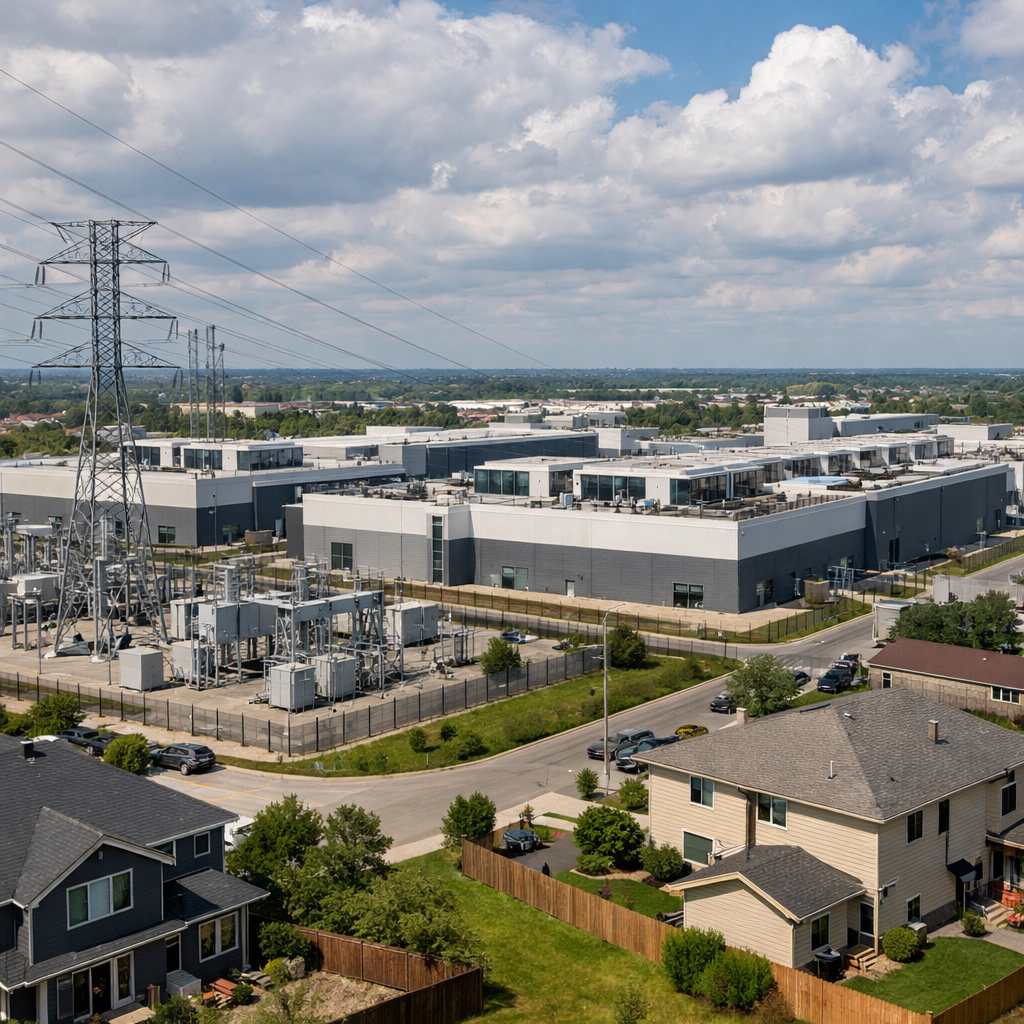
Speaking at a major tech conference, Meta President Dina Powell McCormick said that opposition to data centers was a key issue during the midterms, noting that many communities are now pushing back against having these large facilities nearby. The protests stem from broader misgivings about AI, she explained, including concerns over privacy, environmental impact, and lack of clarity around the benefits to residents.
One central issue: visibility. Data centers are tangible representations of AI, so when people see a facility proposed in their backyard, their reaction is often shaped more by what they think AI might do than by what the facility actually will do. That disparity, according to Meta, underscores how tech companies need to clearly articulate how their investments will provide local value.
Meta’s strategy: More local wins, less resistance
Meta claims it already has nineteen years of experience building data centers and currently operates facilities in 23 U.S. states. Five of its upcoming projects—including one in Texas—are giants in scale, with planned capacities of one gigawatt or more. But the company now says that simply having scale may not matter unless projects win community support.
McCormick laid out the elements Meta believes help secure local approval: the company should cover its own electricity costs; channel any resulting tax revenues into schools, first responders, and other public services; ensure the workforce comes from within the region; and maintain bipartisan political support. Meta sees this model as its path forward to construct projects successfully amid increasing scrutiny.
Still, the political winds are shifting. Voters have backed candidates who were explicitly skeptical of large energy-intensive infrastructure, especially for AI. Lawmakers are likely to follow suit with tighter regulations, more demanding permitting requirements, or even outright bans in certain jurisdictions. McCormick acknowledged these shifts could raise the bar for future data center approvals.
AI ambitions hang in the balance
Meta is betting big on its consumer AI agent Muse, which already has around 10 million users, with hopes it could become a service used by billions. To support that growth, Meta is investing heavily in compute infrastructure. Even if consumer adoption of Muse falls short, the infrastructure itself could turn profitable — Meta says it’s receiving daily requests to rent out compute capacity.
But building compute power at scale relies heavily on permits, electricity, land use rules, and local buy-in. With communities more skeptical than ever, each new project risks delay or denial, both of which can eat into AI development timelines.
Why this matters—and what to watch
Meta’s dilemma reflects a larger issue facing the tech industry: the intersection of AI’s physical infrastructure with politics, land use, and community trust. Data centers aren’t just technical boxes—they’re civic commitments. As AI expands, so does its visibility in daily life, whether through traffic impacts, energy use, or aesthetic disruption.
What to watch: forthcoming state or local legislation that could raise barriers to data center development; how Meta’s regulatory strategy adapts; whether Muse hits its ambitious growth targets; and whether community engagement becomes standard practice across AI infrastructure expansion.
Meta’s warnings offer a timely reminder: AI’s challenges aren’t just about algorithms or code. They’re increasingly about people — and politics. How the industry responds now will shape whether AI is seen as a source of shared benefit—or local burden.