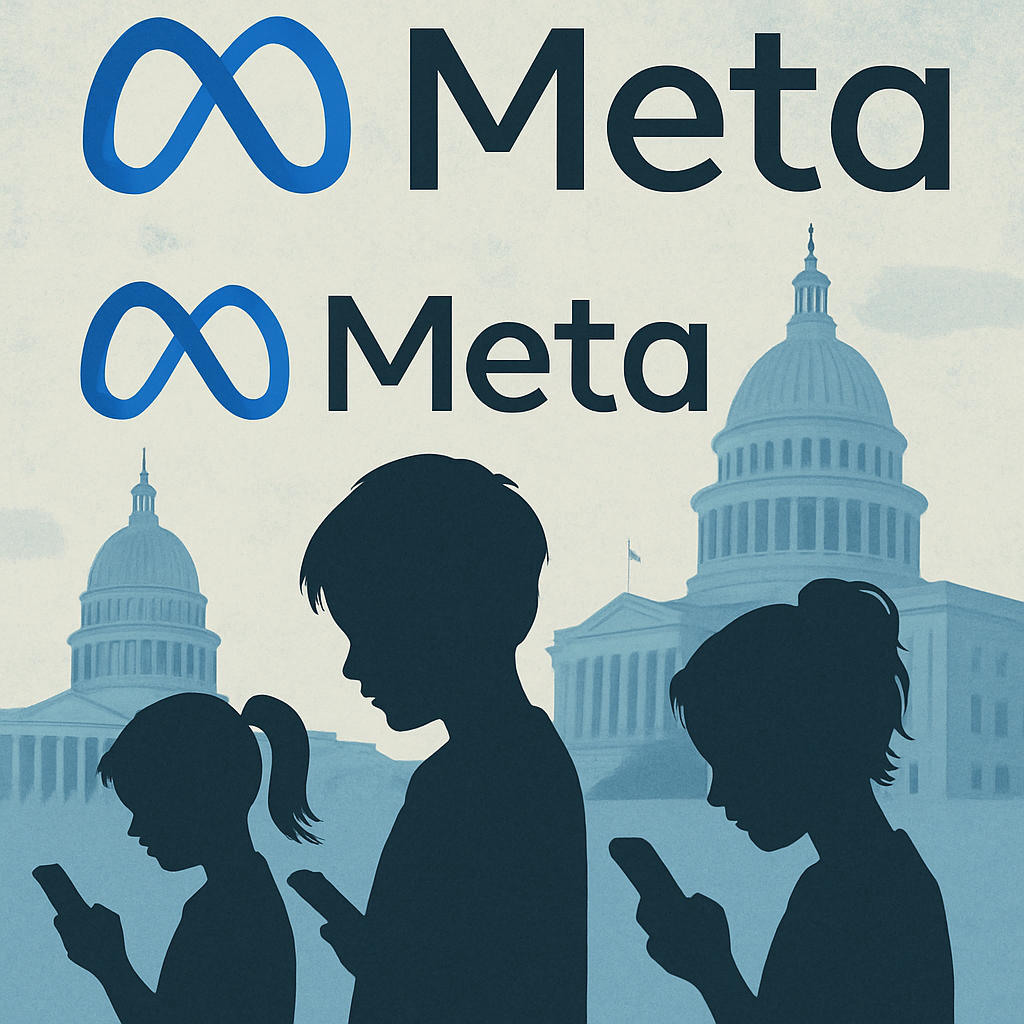
Meta has agreed to a settlement of up to $18 billion to resolve claims from 29 U.S. states regarding the impact of its social media platforms on underage users. The lawsuit accused the company—owner of Facebook and Instagram—of intentionally designing its services to be addictive for children, while continuing to gather data from minors without parent permission, in violation of federal law. The company does not admit fault as part of the deal.
Claims Against Meta
Plaintiffs alleged that Meta engineered Instagram and Facebook with features aimed to hook younger users, despite internal knowledge about risks to their mental health. Among the legal claims is the breach of the Children’s Online Privacy Protection Act (COPPA), alleged to be violated through Meta’s collection of kids’ data without parental knowledge.
Terms and Implications of the Settlement
As part of the agreement, Meta will not formally admit wrongdoing. But in tandem with the settlement, the company is calling on rival platforms—including YouTube and TikTok—to adopt stronger parental controls and teen safeguards. The proposal is positioned as a new industry standard for protecting young users.
The $18 billion payout reflects states’ mounting pressure and the growing scrutiny on how social networks handle youth safety. It underscores how serious the legal risks have become for social media giants over product design choices and user data practices.
Meta frames the settlement as a step forward in its approach to teenage safety, saying it partners with state attorneys general to ensure a safer, more productive experience for parents and minors alike. Though the deal avoids a protracted jury trial, it places the company under renewed visibility on how it addresses concerns about addictive design and data privacy.
The agreement, announced August 26, 2026, marks one of the largest payouts by a tech firm in a children’s safety case. With 29 states involved, the settlement signals how the regulatory environment is tightening around major social platforms.
This development means platforms won’t just face financial penalties—they’ll be expected to meet rising societal demands for transparency and responsibility in how they interact with young users. Watch for changes in privacy policy, design constraints on engagement features (especially for teens), and perhaps new legislation inspired by this case.