Meta is launching an enhanced version of its AI agent, Muse, aimed specifically at small businesses. The move comes with fresh integrations allowing Muse to tap into tools already familiar to entrepreneurs—covering sales, operations, marketing, and more.
What’s new: integrations and context
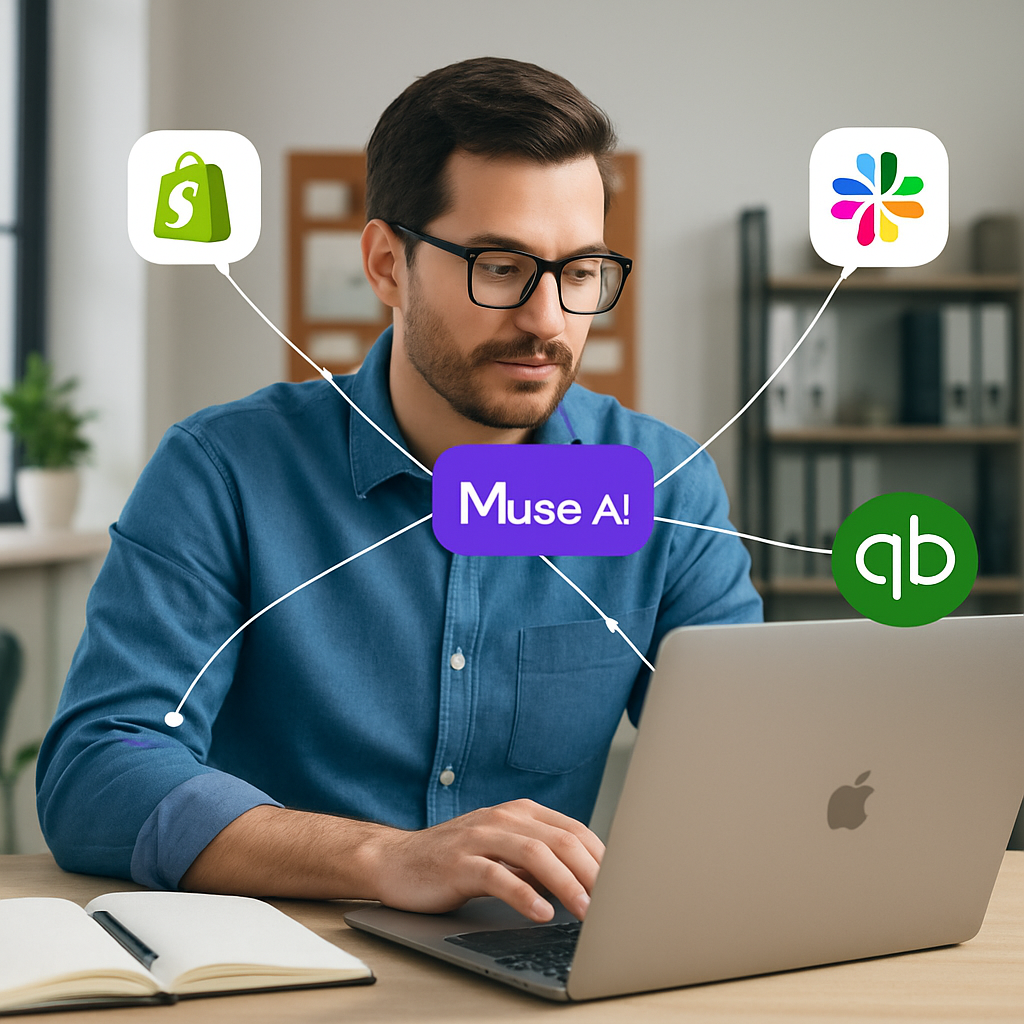
Muse for Small Business can now connect with platforms like Shopify, Dropbox, Slack, Asana, Box, Canva, Figma, Intuit QuickBooks, Notion, Stripe, Zoom, and others. This broader reach means that the AI doesn’t simply act as a separate chatbot—it leverages a business’s full ecosystem. It’ll pull data from Instagram professional dashboards, Facebook Pages, and Meta ad accounts to understand what a company sells, its brand voice, and frequent customer queries.
Accessible pricing with room to grow
This version of Muse is free with limitations on usage. For small businesses needing more volume or capabilities, Meta plans to offer a subscription that unlocks higher usage tiers. Key business tools already in many entrepreneurs’ toolkits—like analytics, reporting, marketing content—will be accessible through Muse without forcing them to leave behind familiar software.
Meta’s broader AI strategy
The rollout of Muse for Small Business aligns with Meta’s wider push to bring its AI assets into corporate settings. Just a day earlier, Meta unveiled its Enterprise Platform initiative, a project centralizing offerings like Muse, the Muse API, Muse Code, and Meta Business Agent under one roof. To lead that effort, Meta recruited Chirantan “CJ” Desai, formerly CEO of MongoDB.
The original Muse launch occurred earlier this month and already reached No. 1 in app charts for the U.S. and Canada, overtaking rivals like ChatGPT. With Muse now expanding into small business workflows, Meta appears to double down on turning early attention into sustained commercial traction.
Why this matters: Small business owners typically juggle many tools but often lack smart assistants that truly weave all their data together. By injecting Muse into their existing stack, Meta hopes to streamline decisions—from what customers ask, to how brands sound. The big question now is whether small businesses will embrace paying for more power, and whether Muse can outperform or at least keep pace with AI rivals that already dominate business tools. Keep an eye on how Muse evolves in practice, particularly in areas like localized support, integration depth, reliability, and price point.