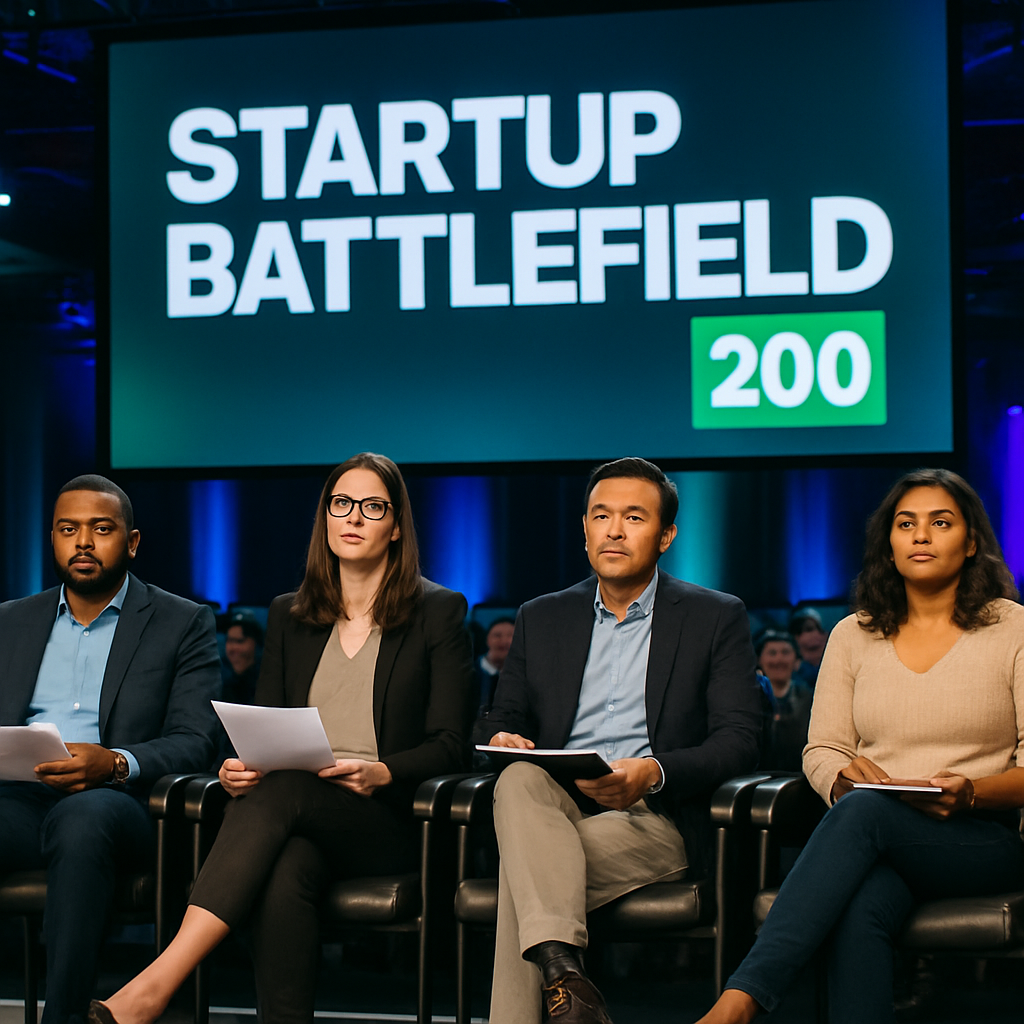
TechCrunch Disrupt 2026 is gearing up for its Startup Battlefield 200 competition, where just 200 early-stage companies get a chance to pitch for global attention. The finals are slated for October 13–15 in San Francisco, and this year’s participants could be in for a serious challenge—especially as the first batch of judges has just been unveiled. These leaders won’t just observe; they’ll rigorously evaluate everything from product design to business model viability. Winners in past Battlefields include Dropbox, Cloudflare, Discord, and Trello, and alumni have raised over $32 billion collectively.
Who’s on the Bench?
The initial panel of judges mixes investors and operators with deep expertise across AI, infrastructure, developer tools, health, marketplaces, and more. Among them is Janelle Teng Wade, Partner at Bessemer Venture Partners, who focuses on early-stage bets in AI infrastructure, defense tech, data platforms, and developer tools. Her portfolio includes startups like Claroty, Virtru, Render, and Moonvalley.
Puneet Agarwal of True Ventures leads the firm’s enterprise thesis, centering on infrastructure and applications reinvented by AI. His investment history features companies such as Peloton, Duo Security, and Fitbit. Former senior operator roles at BEA Systems and IBM round out his experience.
Benjamin Narasin, General Partner at Tenacity Venture Capital, is known for backing companies at the pre-seed level across consumer, enterprise, hardware, and media—even before traction is established. His reputation rests on trusting the founder and the idea, often earlier than many other firms would.
Leah Solivan runs Precedent.vc, a fund focused on pre-seed and seed-stage companies in AI-native platforms, health tech, future-of-work, consumer, and marketplaces. She co-founded TaskRabbit and has invested in companies like Boardy.ai, Pacaso, Our Place, and MiSalud.
Andrew Brackin, Partner at Gradient (Google’s seed fund), brings expertise in vertical AI, healthcare applications, and the AI application layer. Before this, he co-founded Vial—a clinical trials tech platform—and ran growth at Newfront, which sold to WTW for $1.3 billion in 2025. Brackin also held a Thiel Fellowship and has roots both in London and San Francisco.
Why This Matters and What to Watch
With only a small number of the Battlefield 200 moving to live competition, judges like these will carry significant influence on who gets visibility, investors’ attention, and potentially transformative chance-based valuation boosts. The mix of experience here appears aligned with current startup hot spots—AI infrastructure, vertical AI applications, health tech, marketplaces—which suggests what kinds of pitches are likely to resonate.
Another key detail: ticket prices rise after September 25, so those planning to attend should register ahead of that deadline.
This judge lineup offers a strong signal about themes likely to emerge at Disrupt 2026: high-growth AI infrastructure, pre-seed-stage bets, and a blend of healthcare and marketplace innovation. For startup founders preparing to pitch, these are the areas to sharpen. Investors and ecosystem observers should watch what the judges push back on—they’ll likely help reveal what’s next in early-stage tech.