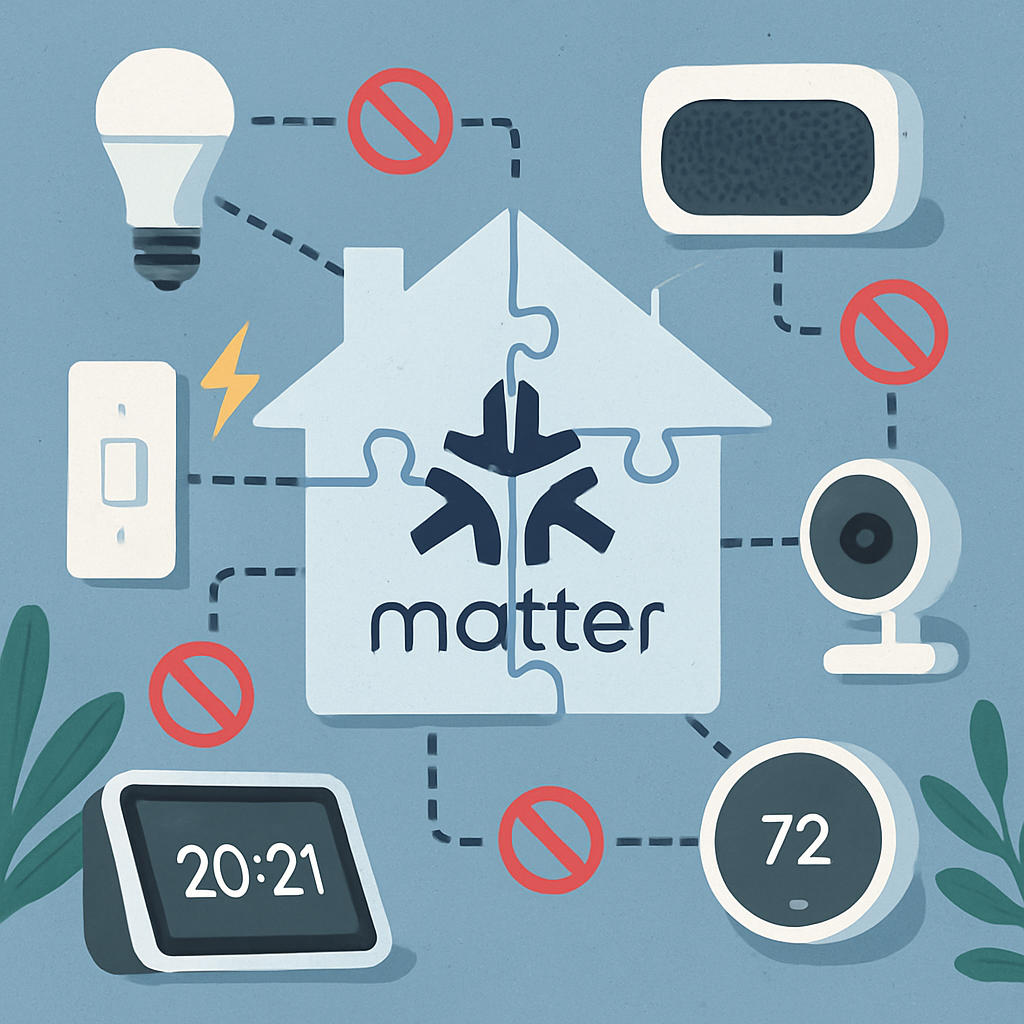
The introduction of the Matter standard was heralded as a transformative moment for smart home technology, aiming to unify disparate devices under a single, interoperable protocol. Backed by industry giants such as Apple, Google, Amazon, and Samsung, Matter promised to eliminate the compatibility issues that had long plagued smart home enthusiasts. However, the real-world implementation has revealed significant shortcomings, particularly within the Apple Home ecosystem.
Initially, the smart home landscape was fragmented, with devices operating on various proprietary protocols, necessitating multiple apps and hubs. Matter sought to address this by providing a universal standard, enabling devices from different manufacturers to communicate seamlessly. This initiative was expected to simplify user experiences and foster broader adoption of smart home technologies.
Despite these ambitions, the practical application of Matter has been less than ideal. Users have encountered persistent challenges, including devices that fail to integrate as promised and manufacturers that continue to push their proprietary apps and ecosystems. This resistance undermines the core objective of Matter: to provide a unified and simplified smart home experience.
For Apple Home users, these issues are particularly pronounced. The expectation was that Matter would enhance the functionality and compatibility of devices within the Apple ecosystem. Instead, users find themselves navigating the same complexities as before, with limited improvements in device interoperability and user experience.
In conclusion, while Matter’s vision of a unified smart home standard is commendable, its execution has fallen short of expectations. The reluctance of manufacturers to fully embrace interoperability and the persistence of proprietary systems continue to hinder the seamless integration that users desire. For Matter to fulfill its promise, a concerted effort from all stakeholders is necessary to prioritize user-centric solutions over brand-specific interests.