TP-Link has revealed a high-severity vulnerability affecting numerous Kasa smart home devices that allows attackers on the same local network to intercept, replay, or even forge commands used to control the devices. This flaw, identified as CVE-2026-76784, can enable unauthorized changes in device state, cause disruptions, or trigger denial-of-service issues. The vulnerability carries a CVSS version 4.0 score of 8.7 (High).
The root cause is the use of weak cryptographic protections in the local communication protocol employed by Kasa devices. No user interaction, prior authentication, or special privileges are needed to exploit it—just access to the same wireless or network environment as the vulnerable device. Consequently, environments like shared Wi-Fi, guest networks, or networks with multiple IoT devices may be particularly exposed.
Affected Devices & Potential Impact
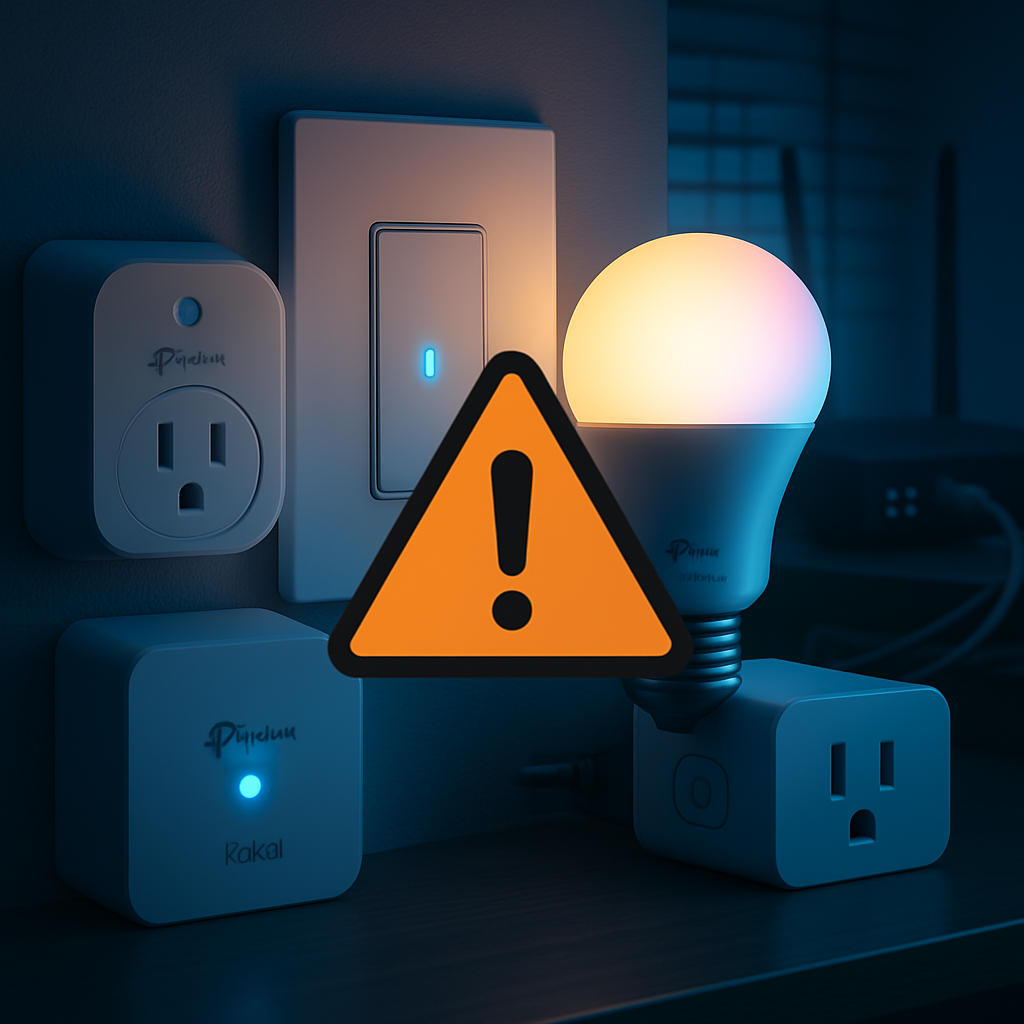
A broad range of TP-Link Kasa products are impacted, including smart plugs, switches, and bulbs. Specific models listed include HS103P3, HS103P4, EP10, EP25 V2, HS300 V2, KP303 V2, EP40A, KP125MP2, KP125MP4, KP115, KS225, KS205, KS240, ES20M, KS220M, KP200 V3, HS200 V5.26 (and several HS220 variants), plus KL125 smart bulbs. Vulnerable behavior could include turning devices on/off without permission, disrupting schedules, altering operational routines, or issuing repetitive commands that render a device unusable.
Mitigations & What Users Should Do
TP-Link has started releasing fixed firmware versions for all listed vulnerable devices. For example, users of HS103P3 and HS103P4 should upgrade to firmware version 1.1.3 Build 250908 Rel.112508, while KL125 models need firmware version 1.1.1 Build 260710 Rel.082646. Because firmware differs by hardware version and region, users must verify their specific model before applying the updates.
Until devices are patched, recommended mitigations include isolating IoT devices on a separate network or VLAN, limiting access from guest Wi-Fi networks, and monitoring for any unusual behavior. These steps help reduce exposure while waiting on the firmware fixes.
This vulnerability demonstrates that even devices not directly exposed to the internet are at risk if local communications aren’t properly secured. Weak protections for device-to-device or app-to-device messaging within a LAN can allow serious misuse—especially in environments where many devices share a network.
What this means: For anyone using TP-Link Kasa smart devices—at home, in small offices, or in commercial settings—this is a reminder that IoT security doesn’t end with internet firewalls. Local network vulnerabilities can be just as dangerous. Watch for firmware alerts, apply updates promptly, and segment your smart devices off the main network to limit the attack surface.