As we reach the midpoint of 2026, the cybersecurity landscape has been marked by a series of significant breaches affecting various sectors globally. These incidents underscore the escalating threats in the digital realm and the pressing need for robust security measures.
Critical Infrastructure Under Siege
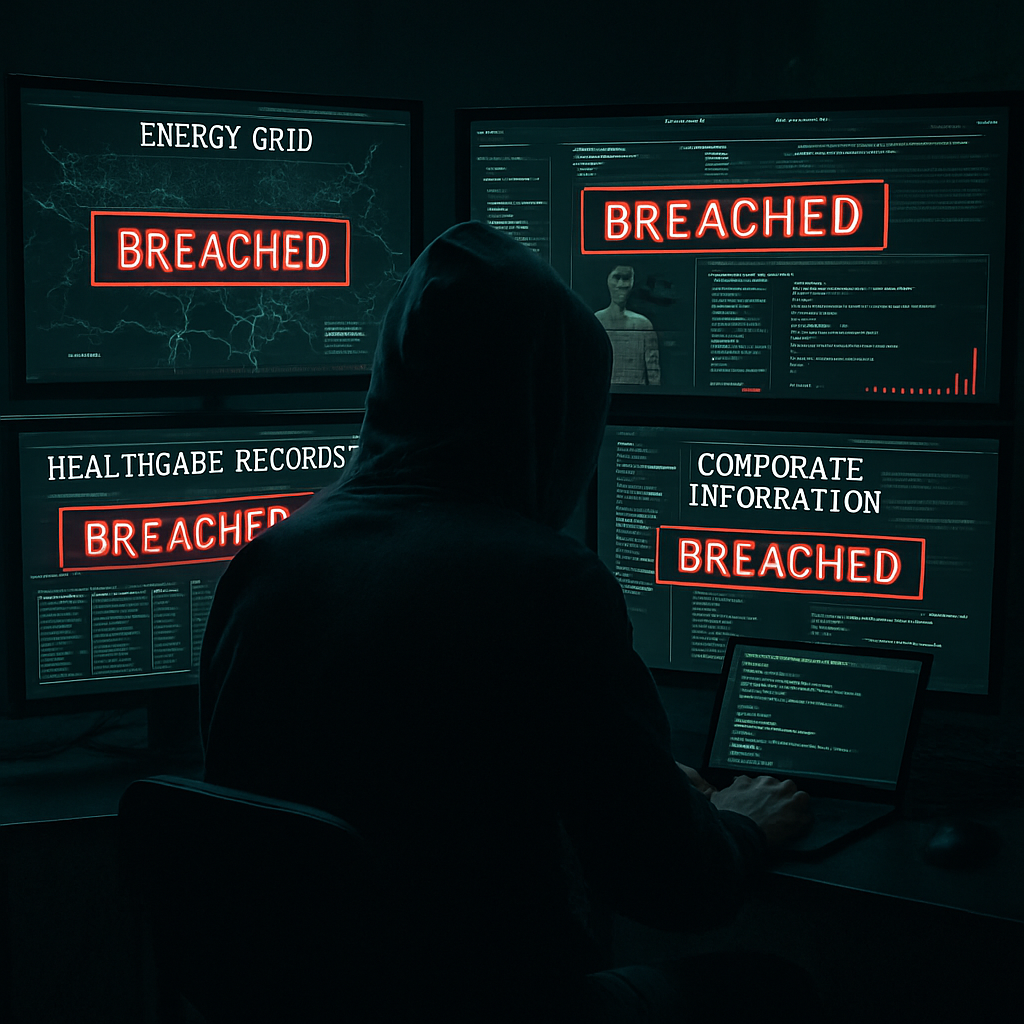
European nations have faced a surge in cyberattacks targeting essential services. Notably, Poland’s energy grid was compromised with destructive malware, while Sweden’s thermal plant and a Norwegian dam experienced breaches leading to operational disruptions. These attacks, often attributed to Russian actors, highlight the vulnerability of critical infrastructure to cyber threats.
In the United States, concerns have risen over potential Iranian cyber activities targeting vital systems, including privately owned water utilities. The lack of adequate cybersecurity defenses in these sectors makes them susceptible to such intrusions.
Healthcare Sector Breaches
The healthcare industry has not been spared. NYC Health + Hospitals reported a breach affecting at least 1.8 million individuals, with hackers accessing personal data, medical records, and even fingerprint scans. Similarly, TriZetto confirmed that over 3.4 million people’s health and personal information were stolen in a cyberattack, emphasizing the sector’s attractiveness to cybercriminals due to the sensitive nature of the data.
Corporate and Government Data Compromised
Several corporations and government entities have also fallen victim to cyber incidents. In March, Iranian hackers infiltrated U.S. medical tech company Stryker, remotely wiping tens of thousands of employee devices and causing significant operational disruptions. This attack marked a shift in Iranian cyber tactics towards more destructive operations.
In the realm of education technology, Instructure’s learning management system, Canvas, was breached by the ShinyHunters group. The hackers accessed data of over 30 million students and staff, and when ransom demands were unmet, they defaced login screens during critical exam periods, leading to widespread disruption.
Additionally, a data breach at a Texas state government department exposed the driver’s license and passport information of more than 3 million individuals. The breach also included email addresses, phone numbers, and residential addresses, raising concerns about identity theft and privacy.
Supply Chain Vulnerabilities
Supply chain attacks have become a prominent threat vector. Cybercriminals compromised tens of thousands of Fortinet firewalls and VPNs used by major companies worldwide. This campaign, dubbed FortiBleed, exploited weak password practices, allowing attackers to gain unauthorized access to critical network devices.
Furthermore, Microsoft faced a significant security challenge when hackers infiltrated its open-source tools hosted on GitHub. The attackers injected password-stealing malware into code related to Azure and AI development tools, potentially compromising numerous developers’ credentials.
Emerging Threats and Industry Response
The ShinyHunters group has been particularly active, employing sophisticated social engineering techniques to breach multiple organizations. Their campaigns have resulted in the theft of vast amounts of data, including 40 million records from internet provider Charter and 6 million customer records from cruise line Carnival.
In response to these escalating threats, companies are urged to enhance their cybersecurity postures. This includes regular security audits, employee training on phishing and social engineering tactics, and the implementation of multi-factor authentication. Additionally, organizations should stay informed about emerging vulnerabilities and apply patches promptly to mitigate potential exploits.
As cyber threats continue to evolve, a proactive and comprehensive approach to cybersecurity is essential. Organizations must prioritize the protection of sensitive data and critical infrastructure to safeguard against the increasing sophistication and frequency of cyberattacks.