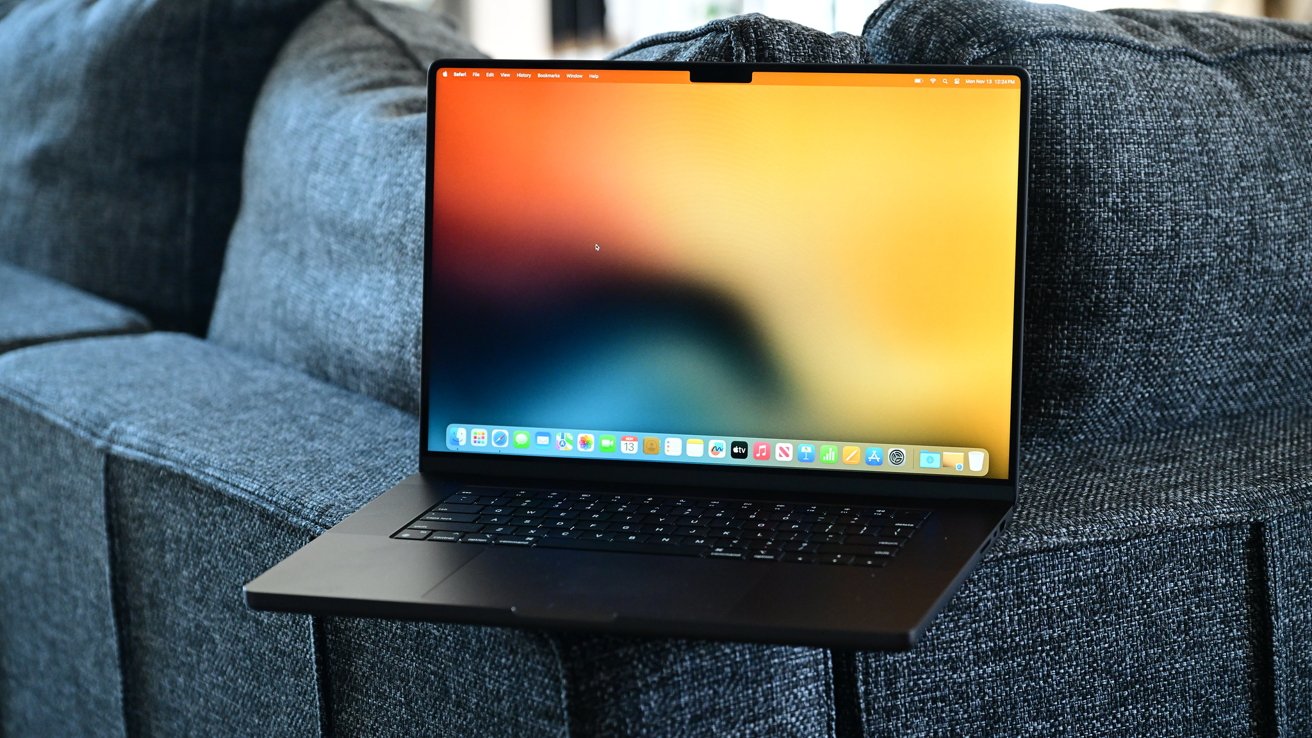
Apple’s MacBook Pro line is due for a significant upgrade in 2027, with multiple new models in the pipeline. The base MacBook Pro is expected to receive the M7 chip and adopt the sleeker design of the recently launched high-end versions—featuring thinner bodies, lighter weight, and narrower bezels.
Touchscreen Models and M7 Pro/Max Chips
Alongside the base model refresh, Apple is planning second-generation touchscreen MacBook Pros equipped with M7 Pro and M7 Max chips. These versions will continue to build on the newest form-factor introduced this fall, with added hardware enhancements like OLED and touch functionality.
Strategic Shift: Skipping M6 Pro/Max
The M7 generation is positioned as the company’s focus, with Apple reportedly bypassing the M6 Pro and M6 Max chips altogether. Expected to arrive as early as the first half of 2027, the M7 lineup is designed to deliver stronger on-device AI performance, indicating Apple’s next leap in machine learning and processing power for its laptops.
Converging Touch and Non-Touch Variants
One emerging trend is the possibility of consolidating the high-end MacBook Pro models. Currently, there’s roughly a US$400 premium to gain features like touch, OLED display, and Dynamic Island. While both touch and non-touch high-end MacBook Pros still coexist, Apple may be headed toward a single, unified model line. The move could simplify product design, manufacturing, and marketing—and align the user experience across all MacBook Pros.
Beyond the hardware, these shifts underscore Apple’s broader trajectory: reinforcing AI capabilities in its silicon, streamlining its notebook offerings, and pushing forward premium design standards. What to watch next: how these changes affect pricing, how Apple balances battery life with enhanced display and AI features, and when exactly M7 MacBook Pros will hit retail shelves.