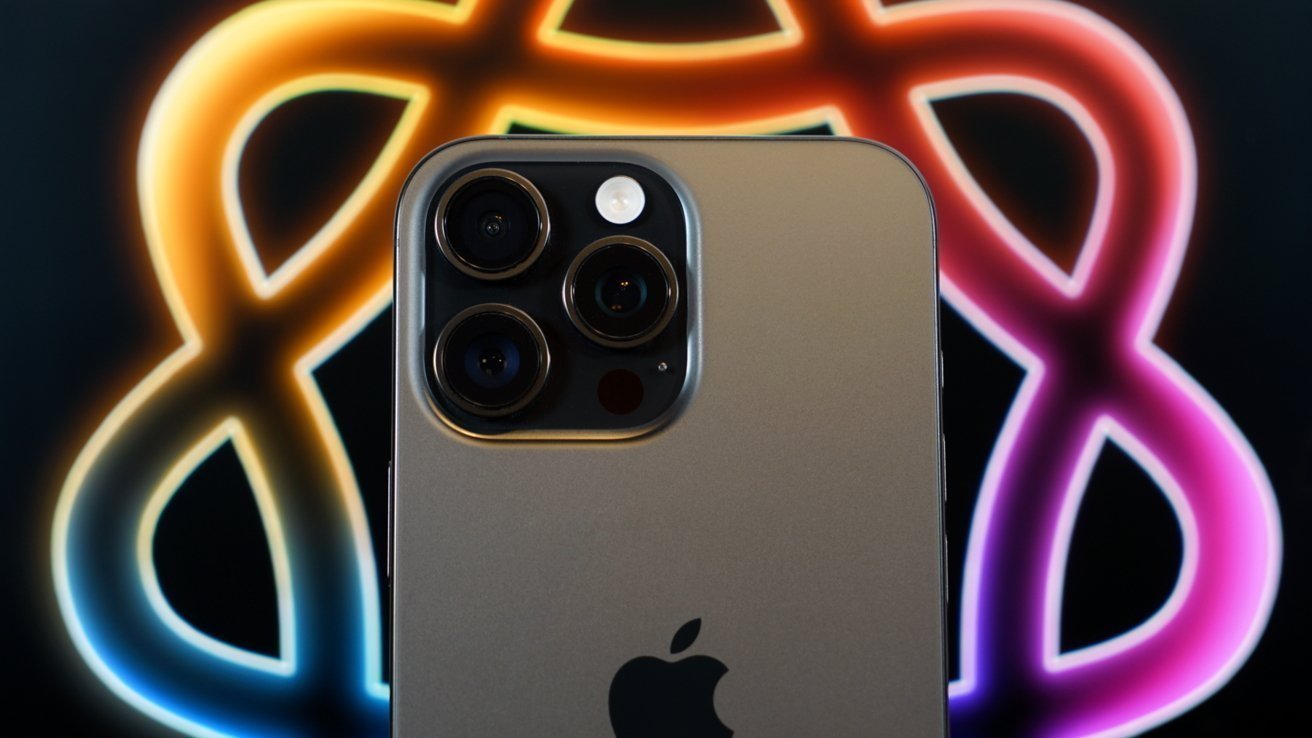
Apple’s newest Mac mini models, powered by the M6 and M5 Pro chips, have just landed in review hands ahead of their official release. They deliver seriously improved performance—especially for AI and multitasking—but a steeper price tags means “good value” is no longer guaranteed for all buyers. Here’s what critics found after putting these small desktops through their paces.
Speed, AI, and Performance: The Upside
At the heart of the upgrade, the Mac mini with the new M6 chip boosts everyday tasks noticeably. Benchmarks show its single-core CPU is about 8–10% faster than the M5 generation, with graphics also stronger. Thanks to Neu ral Accelerator cores embedded in each GPU core, AI tasks truly shine—workflow feels snappier whether editing photos, doing coding, or casually gaming. The underlying chip architecture is Apple’s new 2-nm design, which promises efficiency gains across processes. The M5 Pro variant, meanwhile, outpaces the M6 in compute-heavy workloads with more CPU cores (up to 18) and broader GPU options (up to 20 cores), making it ideal for sustained rendering, large-scale multitasking, or running local AI models.
What’s Similar—and What Sets Them Apart
Both models share much of the same solid foundation. The chassis remains the 5×5-inch aluminum design, now universal Wi-Fi 7, Bluetooth 6, 2.5-Gigabit Ethernet standard, and multiple USB-C, Thunderbolt, and HDMI ports. macOS 27’s AI features and Siri enhancements are baked in on both. What distinguishes them is memory ceiling, bandwidth, and port specs: the M6 model caps out at 32 GB of unified memory and uses Thunderbolt 4, while the M5 Pro pushes to 64 GB and gains Thunderbolt 5. For creative pros, data scientists, or anyone planning to work with large datasets or heavy AI inference, these differences are significant.
Money Matters: Price & Value
The base M6 Mac mini starts at $899 in the U.S.—a marked jump from the $599 launch price of the M4 generation, and even from the $799 base earlier this summer. The M5 Pro version begins at $1,699. Assembling a higher-memory or high-storage M6 configuration quickly narrows the cost gap to the M5 Pro, sometimes making it more economical to start with the Pro if you need power. Reviewers generally agree: the value for the M6 model is still good, especially for general use, while the M5 Pro is compelling only if your workload demands the extra cores, higher memory, and faster bandwidth.
Weaknesses & Limits
Reviewers flagged a few sticking points. For the M6, the standard 256 GB SSD and 16 GB RAM felt tight in modern usage—even more so given how storage and memory upgrade costs balloon at checkout. The price increases across the lineup make the Mac mini feel less “deal desktop” and more premium category. Also, while the M6 often beats or matches the M4 Pro in benchmarks across graphics, CPU, and AI workloads, the M5 Pro still has the edge in large-scale parallel tasks. Some benchmark tools couldn’t reliably report power or thermal behavior for the M6, adding uncertainty for power users.
What this means: if your work involves local AI models, 3D rendering, video editing, or running large simulations, the M5 Pro’s headroom will show its value. For most other users—web browsing, coding, content creation without huge files—the M6 model might hit the sweet spot.