Traditionally, Apple laptops have a lifecycle of about three to four years in professional settings. By the end of this period, devices often exhibit significant wear: batteries degrade, fans operate continuously, and keyboards may become problematic. Consequently, IT departments typically retire these machines, opting to recycle or dispose of them to avoid potential issues.
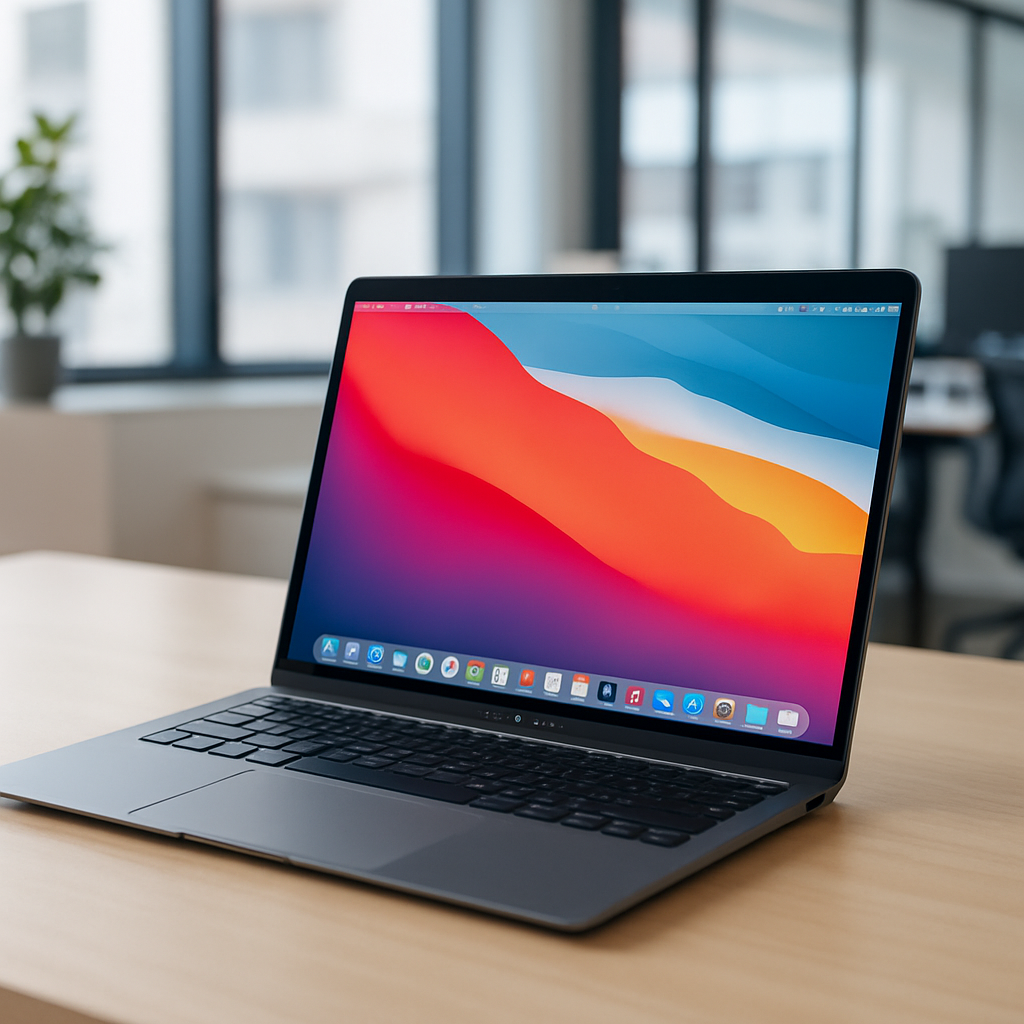
However, the M1 MacBook Air, introduced in November 2020, has defied these expectations. Now, in mid-2026, this model remains remarkably capable. Many organizations maintain a fleet of these devices as loaners or spares, fully updated and integrated into device management systems. Their continued reliability is attributed to several factors: the fanless design prevents dust accumulation, the keyboard maintains its integrity, and even after over five years, battery performance remains commendable.
This extended usability is unprecedented in Apple’s laptop history. The M1 MacBook Air’s enduring performance underscores the significant advancements brought by Apple Silicon, offering users a durable and efficient computing experience that challenges previous norms.
The longevity of the M1 MacBook Air highlights the transformative impact of Apple’s transition to in-house processors. For consumers and businesses alike, this means longer intervals between upgrades, leading to cost savings and reduced electronic waste. As Apple continues to innovate, the M1 MacBook Air sets a high benchmark for future devices, emphasizing the importance of durability and sustained performance in technology design.