Sixteen years after Apple’s “Antennagate” controversy, a full recording of the company’s July 2010 Q&A session has surfaced online. The video runs roughly 47 minutes and captures Steve Jobs alongside Tim Cook and Bob Mansfield fielding reporters’ questions about criticism over signal drop issues tied to iPhone 4’s antenna design. Previously, only Apple’s formal presentation from that day was available to the public; the Q&A segment was never officially shared in video form.
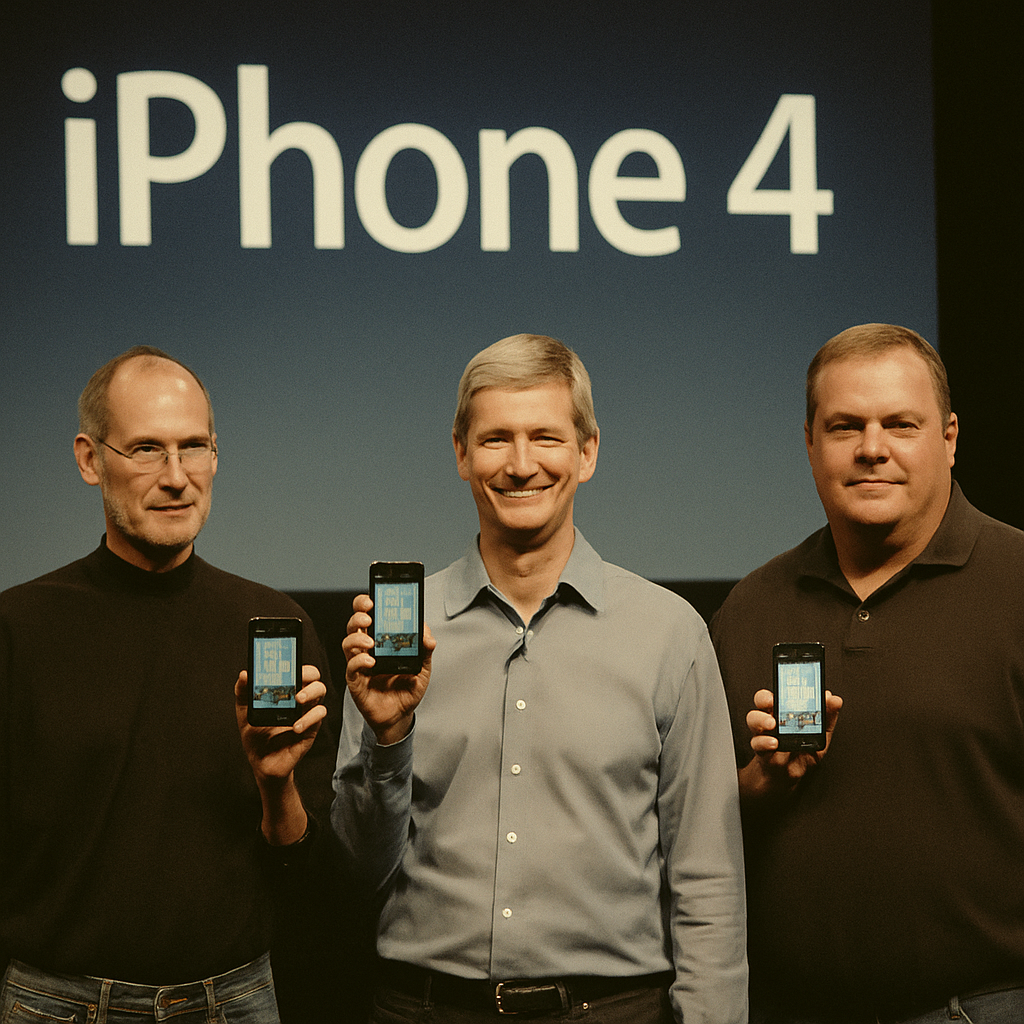
The original press conference was held in response to widespread reports that gripping the iPhone 4 in a certain way—the so-called “death grip”—could severely degrade the device’s cellular reception. During the video, Jobs and his team respond directly to criticism, and at one point, John Gruber asks whether they use cases on their own devices. In response, each raises an unprotected phone. Jobs also sheds light on Apple’s decision-making process—why the free case program was initiated, the 30-day return policy, and the thought process behind waiting to gather data before going public with their remedy.
What’s new in the footage
The newly surfaced video not only shows representatives admitting how the design affected users, but also reveals Jobs elaborating on a broader strategy: owning or controlling key technologies, especially as software becomes increasingly central to consumer electronics. This notion would become a recurring tenet for Apple in the years that followed. Gruber, who was present at the original event, points out that he doesn’t know where the video came from or why it is becoming public only now, in 2026.
At the time of the controversy, Apple had already announced free bumper cases for those affected and gave customers an option to return their devices within a month. They also defended the phone’s engineering—Jobs argued the antenna was performing within expected norms, but that real-world use exposed problems not observed in lab testing. The formal presentation and press materials addressed the potential drop in antenna signal when the phone was held a certain way, and managed the message—what was missing until now was the executives’ live, unrehearsed responses.
Historical impact
The Antennagate controversy became one of Apple’s most infamous product missteps. The iPhone 4 was their big push for external antenna innovation—using band-separated antennas etched into its stainless steel rim—but so-called signal attenuation became a PR and engineering headache. Apple’s damage control included free accessories and emphasizing transparency, a shift that echoed in later incidents like the Butterfly Keyboard issues and others where public facing explanations and gesture programs became standard.
This resurfacing of the Q&A is more than just archival richness; it provides a clearer portrait of how Apple managed crisis under Steve Jobs: measured, defensive at first, then embracing admission and redress. It also offers lessons about balancing engineering boldness with usability. As we reach 2026, this video serves as a reminder that even iconic innovators are subject to scrutiny—and that behind every public apology lies countless internal data points, delayed decisions, and reputational risk.