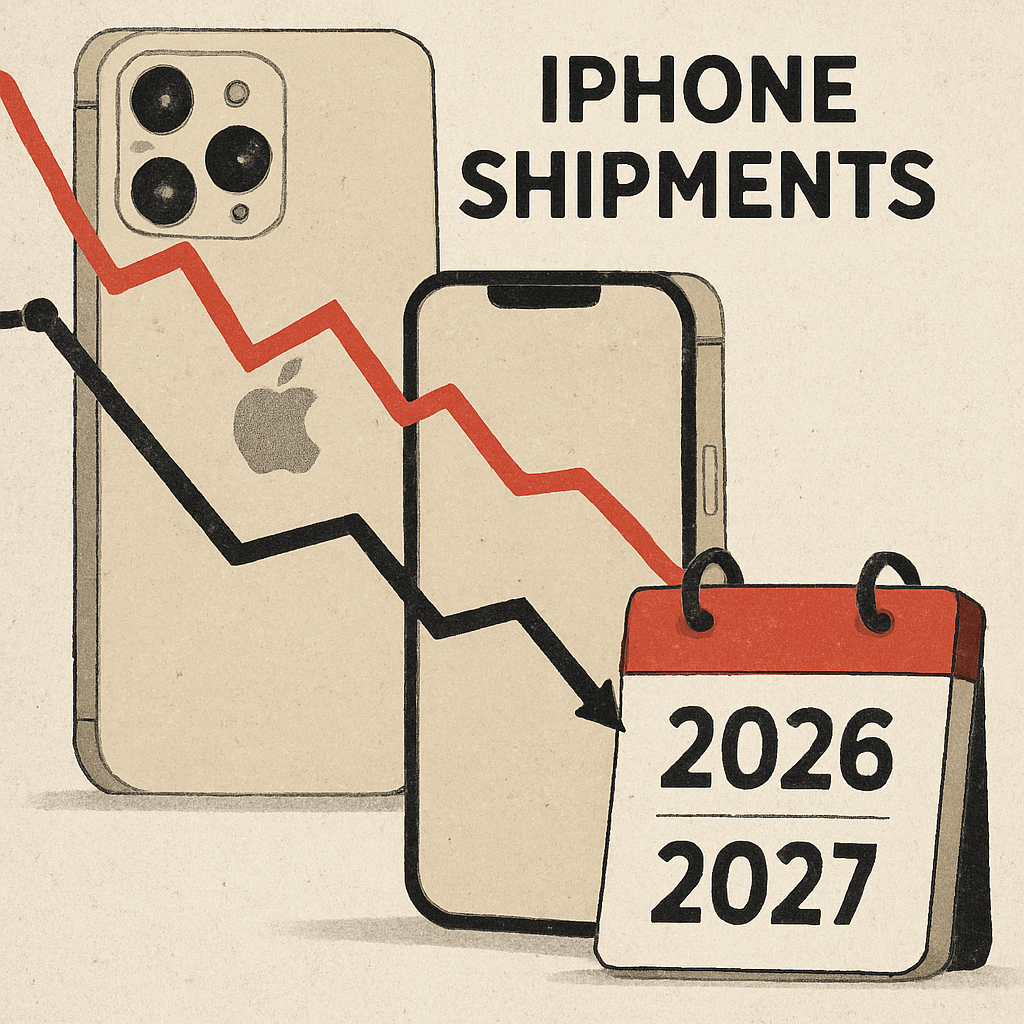
Loop Capital has downgraded its rating for Apple from Buy to Hold and dropped its stock target from $370 down to $330, citing shipment reductions and a more complex iPhone product cycle spanning 2026–2027.
The revision comes after Loop Capital found that Apple likely won’t recover roughly 13 million iPhone units originally expected in the second half of 2026. These missing shipments represent a major headwind for the company’s short-term performance. The analyst firm estimates planned shipments for the September and December quarters are down about 10% year-over-year, with December projections revised to 79 million units compared to Wall Street’s rough consensus of 85 million.
Rising Shipments, Falling Revenues
In its updated outlook, Loop Capital raises its annual iPhone shipments forecast for 2027 to 260 million units. However, that optimistic volume is offset by lowered average selling price projections— from $1,235 to $1,096—leading to a notable revenue drop. For 2027, expected iPhone revenue shrinks from $315 billion to $285 billion despite higher unit sales.
Meanwhile, the firm lowers its average selling price forecast for the rest of 2026 too—from $1,239 to $1,123—even though only higher-end models are on sale in those quarters. Earnings per share estimates for 2027 fall from $10.11 to $9.76, while normalized earnings get trimmed from $12 to $11, with valuation multiple adjustments setting the target near $330.
Complicated Product Timing & Demand Signals
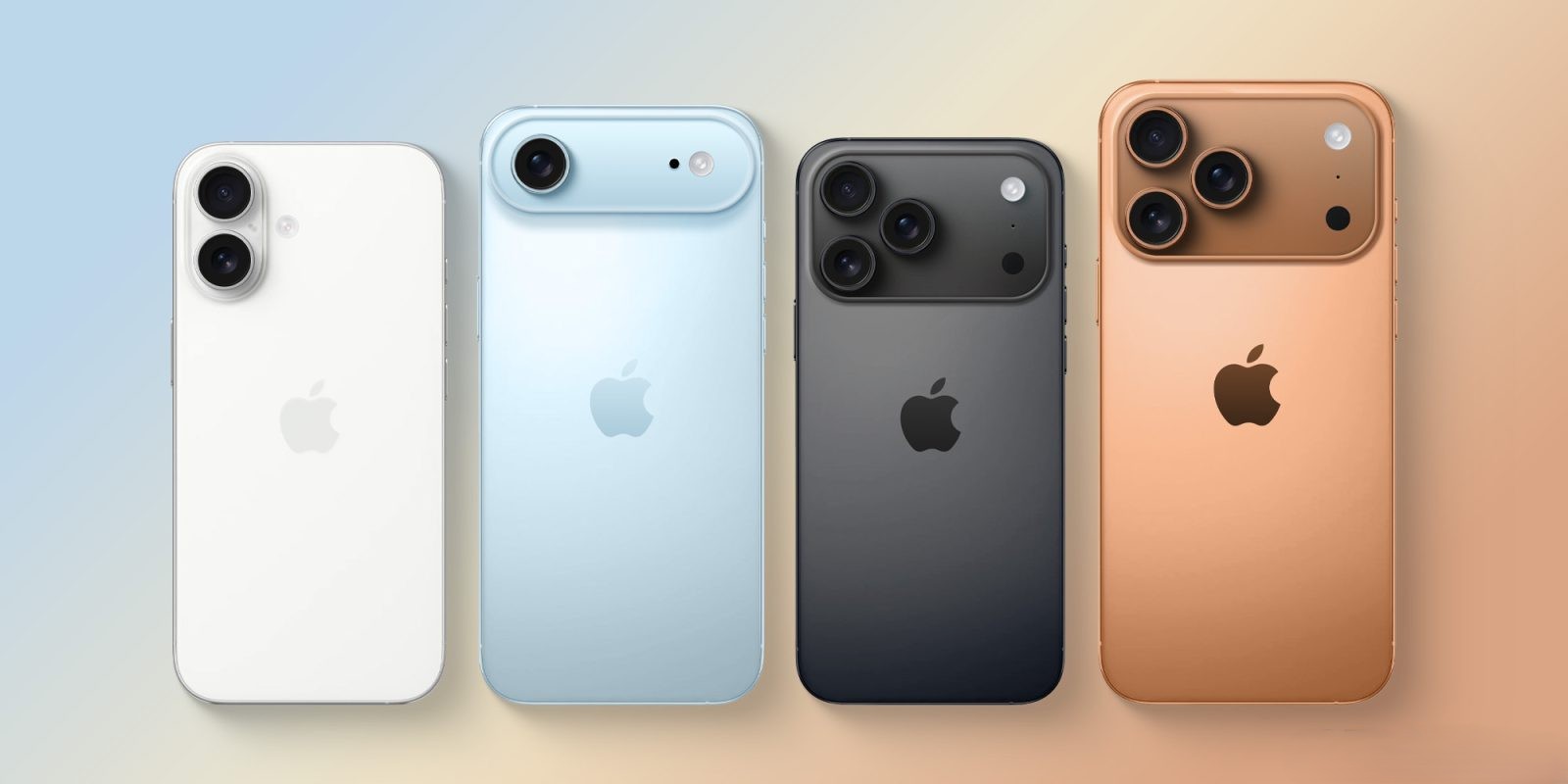
A key source of uncertainty is Apple’s revised release strategy. The iPhone 18 Pro and Pro Max launched in September 2026, but the standard iPhone 18 is expected only in early 2027. The foldable iPhone Duo arrives on October 23. This split release timetable has muddied comparisons to 2025, when Apple released all its models—including the standard one—simultaneously.
Analysts from JP Morgan and Counterpoint agree that the staggered launch is weighing on shipment expectations for the December quarter. With fewer models available immediately, consumers and retailers had fewer options to choose from, creating a potential decline in shipments even if demand remains stable.
Still, Apple is seeing some strength in its high-end lineup. iPhone 18 Pro panel shipments through October are slightly ahead of those from the same period in 2025, and including iPhone Duo boosts that gain even more. In China, iPhone 18 Pro sales are up by more than 20% year-over-year during the first few weeks. Premium model strength contrasts with broader shipment declines in the overall smartphone market.
Demand, Delivery, and Market Tension
Signs of weakening demand for the Pro models also come from shorter delivery times, falling resale prices, and supplier data showing retrenched orders for key components including 2nm processors. However, some purported cuts may reflect strategic shifts in production scheduling rather than wholesale sales declines.
The analysis leaves open questions: how much of the lost shipments represent permanently foregone sales versus purchases delayed by Apple’s disrupted release schedule? And with premium models performing relatively well, how will Apple balance profitability if cheaper models make up more of its 2027 mix?
What this means: Apple is heading into 2027 with shipment momentum but revenue and earnings may lag due to shifting product timing and more budget-friendly lineup du jour. Investors should watch Apple’s standard model launch timetable and margins on entry-level units—early signs there will set the tone for overall performance.