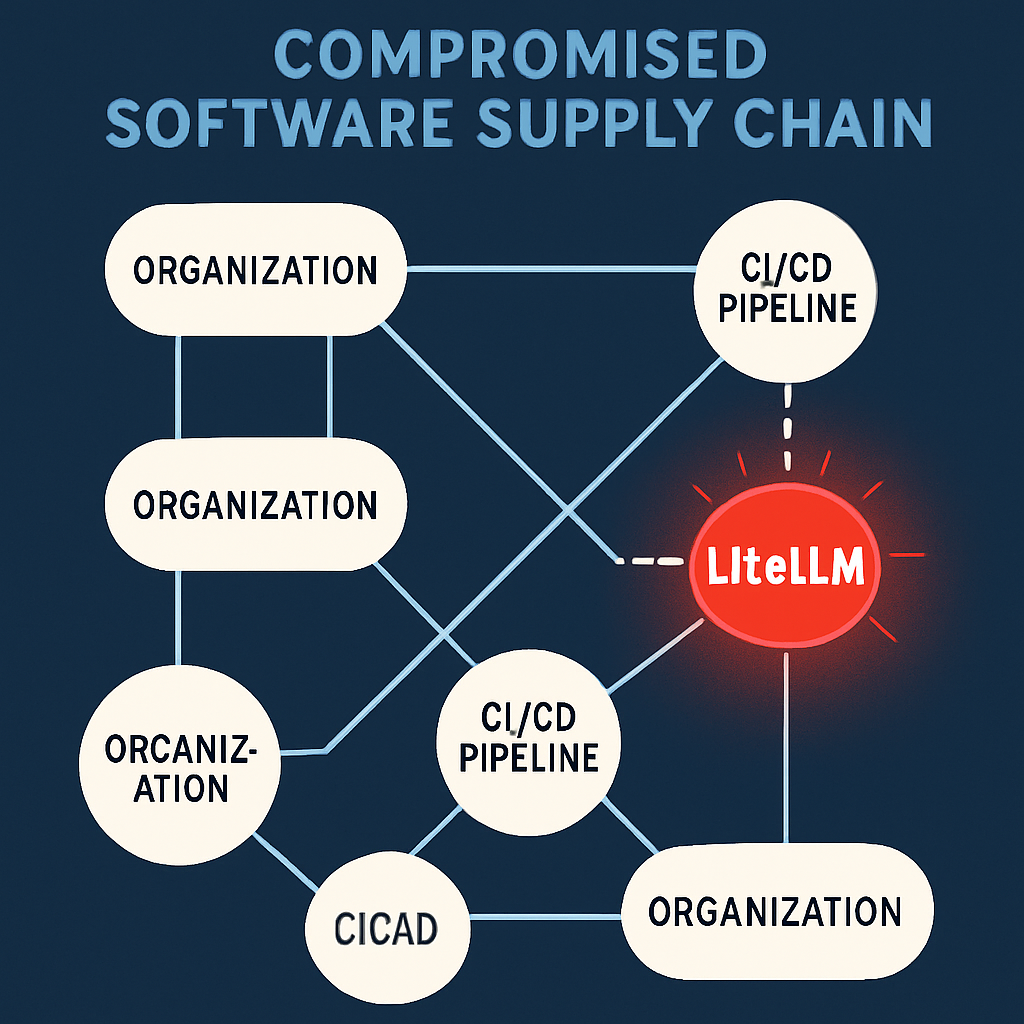
A recent supply chain attack targeting LiteLLM, a widely used AI software component, has raised significant concerns about the security of continuous integration and deployment (CI/CD) pipelines. The incident potentially exposed over 2,500 organizations and 434,000 CI/CD pipeline runs to malicious code, highlighting the vulnerabilities inherent in software supply chains.
The attack was initiated when threat actors compromised the release process of Trivy, a popular vulnerability scanner. LiteLLM’s build pipeline incorporated Trivy without locking it to a verified version, allowing the insertion of malicious code into LiteLLM packages distributed via the Python Package Index (PyPI). Although the compromised packages were available for approximately 40 minutes, the potential impact is substantial.
Security researchers from CloudSEK attribute this campaign to the threat group known as TeamPCP. Their analysis indicates that while the dataset links numerous organizations and pipeline runs to the affected packages, this does not confirm that every entity was breached. However, the risk remains significant due to the nature of the attack.
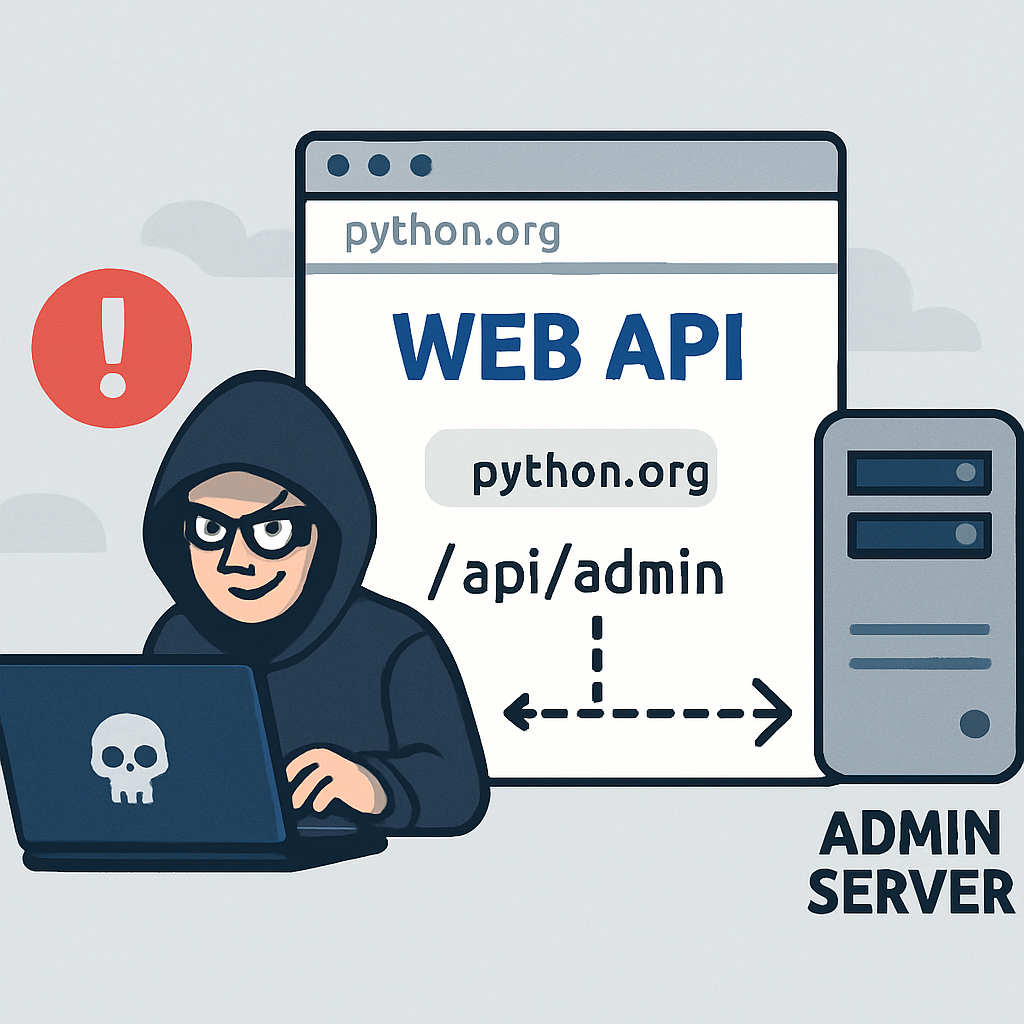
The malicious code introduced a Python startup file designed to execute upon the initiation of the Python interpreter, rather than during the importation of LiteLLM. This payload was engineered to harvest a wide array of credentials from developer workstations and build environments, including SSH keys, cloud service credentials, repository tokens, and AI service keys.
Notably, the malware targeted Large Language Model (LLM) API keys and gateway configurations, potentially granting unauthorized access to connected AI systems and sensitive data. The exfiltrated data was encrypted and transmitted to a domain resembling legitimate services. In cases where data transfer failed, the malware could create a public repository within the victim’s GitHub account, uploading the stolen data as a release asset, thereby obfuscating the breach’s origin.
CloudSEK emphasizes that the presence of an organization’s name in the dataset signifies potential exposure but does not confirm malicious execution or data theft. Organizations are advised to verify whether the compromised package was downloaded, cached, or executed within their environments.
Recommended Mitigation Strategies
Organizations should promptly identify installations of the affected LiteLLM versions and isolate associated systems, including runners, hosts, container images, and caches. It is crucial to rotate all credentials accessible to the compromised processes, extending beyond LiteLLM or model-provider keys to encompass cloud, registry, and source-control tokens.
Rebuilding affected environments from known-clean sources is advisable. Additionally, reviewing audit logs for cloud services, source control, package registries, and Kubernetes for any unusual activity, such as unexpected token usage, new service accounts, or suspicious outbound connections, is essential. Monitoring should extend beyond the immediate incident to detect any delayed exploitation of stolen credentials.
To prevent future incidents, CloudSEK recommends pinning dependencies and GitHub Actions to verified hashes, reducing the lifespan and scope of credentials, and adopting workload identities over static keys where feasible. These measures align with best practices for securing CI/CD workflows and mitigating the risks associated with untrusted code execution.
This incident underscores the critical importance of securing software supply chains, particularly in the context of AI systems that often interface with sensitive data and cloud services. Maintaining an inventory of AI assets, monitoring third-party dependencies, and scrutinizing build-time behaviors are essential steps in reducing exposure to such attacks.
For organizations with production credentials traversing the affected build paths, the immediate rotation of high-value secrets is imperative. Proactive measures can mitigate potential damage, as the disruption caused by credential rotation is typically less severe than the consequences of an attacker maintaining prolonged access.
The LiteLLM supply chain attack serves as a stark reminder of the vulnerabilities present in modern software development practices. As organizations increasingly rely on complex CI/CD pipelines and third-party components, the need for robust security measures and vigilant monitoring becomes ever more critical to safeguard against sophisticated supply chain threats.