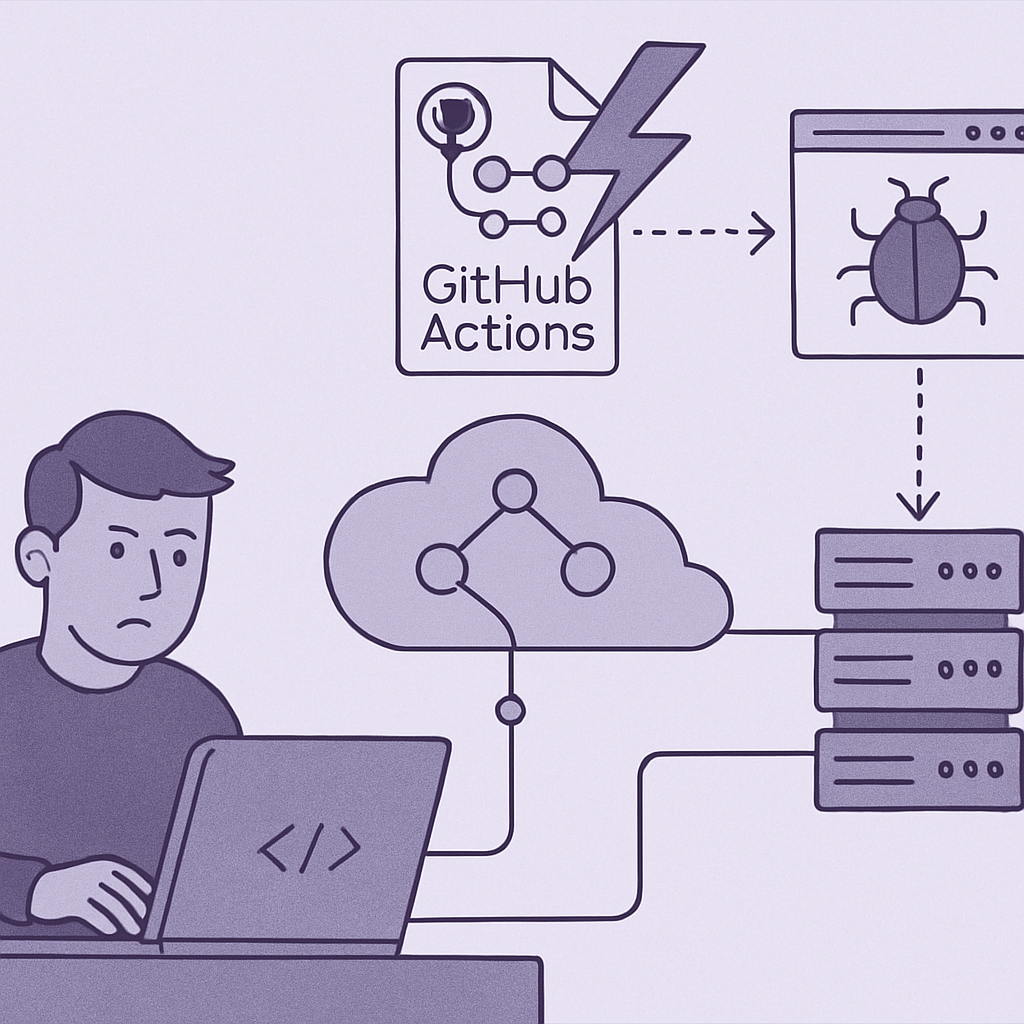
An attacker who gains root-level access to a single Kubernetes node can impersonate every workload running on that machine. Researchers from Unit42 demonstrated that once an adversary controls a node’s operating system, they can manipulate Linux cgroup data to fool the identity verification agents used by SPIRE, allowing hostile processes to act with the identities (and permissions) of other workloads. Though this method hasn’t yet been seen in real-world attacks, its potential impact is grave.
Why SPIFFE and SPIRE’s Security Assumptions Break Down
SPIFFE and SPIRE are designed to replace long-lived secrets with short-lived workload identities—known as SVIDs—reducing the risk of credential exposure over time. These tools rely on environmental metadata, particularly process attributes and cgroup paths, to verify which workload is requesting an identity. If the attribute values match rules that tie them to a specific container or service account, the SPIRE agent issues them the SVID.
Unit42’s research shows that if an attacker obtains root privileges, they can intercept this chain of trust. They may modify or forge cgroup paths and mimic the selectors needed to pass the verification checks. That opens the door for credential theft at scale: every workload identity on the compromised node becomes vulnerable.
Mitigation Strategies: Defense in Depth is Crucial
To assess visibility into this threat, the researchers devised a tool called Spooffe. It runs on a node and attempts to replicate existing cgroup paths, then tries to retrieve identities via the local SPIRE agent. This lets defenders understand what identities may be exposed if a node is compromised.
Best practices to reduce risk include: treating node-level control with the same importance as the identity system itself; sharply limiting administrator/root privileges; rejecting privileged containers unless absolutely necessary; blocking host mounts or host networking open to abuse; and restricting access to container runtime APIs. Also, identity registration policies should avoid depending solely on selectors that a root-level attacker can tamper with.
Segmenting workloads by sensitivity and limiting what each service can do (least privilege) helps keep damage contained if compromise does occur. Operational plans should include immediate credential rotation, reviewing active sessions, and forensically investigating which services accepted identities issued from the affected node.
This issue reveals a fundamental truth: the strength of workload identities depends entirely on the integrity of their environment. SPIFFE and SPIRE remove long-term credentials, but if an attacker gains host control, identity boundaries collapse. Organizations must prioritize host security as a core identity control—not just a supporting security measure.
Understanding this threat is vital as more teams adopt cloud-native infrastructure. Monitoring, isolation, and runtime visibility are no longer optional—they’re essential. What to watch next: whether attackers begin exploiting this vector in the wild, the evolution of security tools like Spooffe, and how policy design adapts to guard against node-level identity impersonation.