Kodiak AI Secures $100 Million Amid Stock Decline
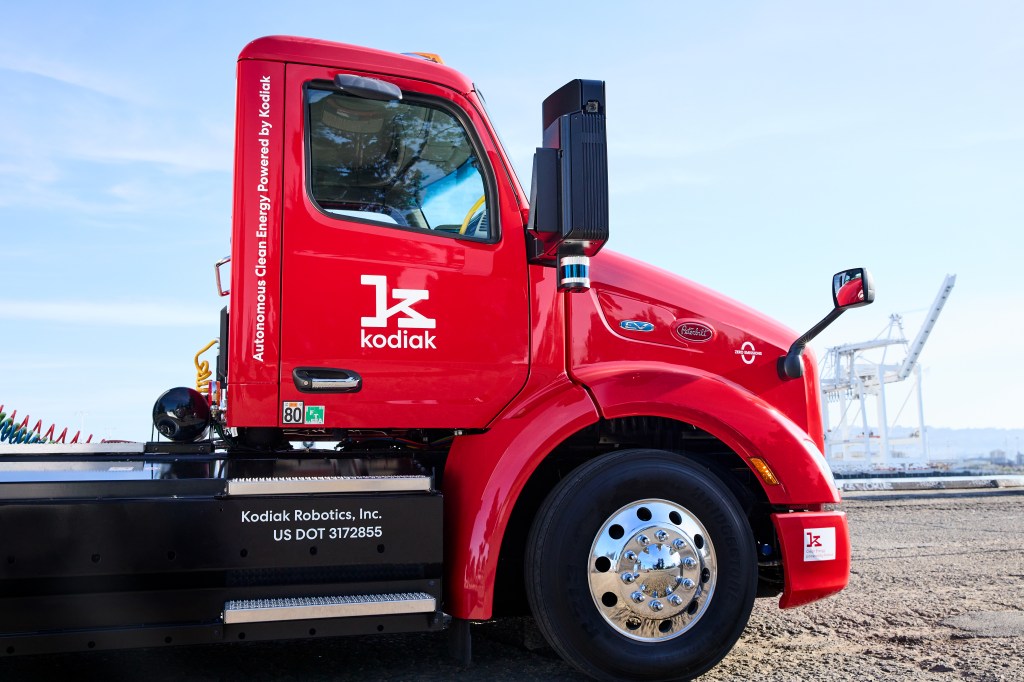
Kodiak AI, a leading autonomous trucking startup, recently announced a $100 million capital raise through the sale of shares at $6.50 each, significantly below its previous closing price of $9.10. This strategic move, disclosed in a Securities and Exchange Commission (SEC) filing, also includes warrants allowing investors to purchase additional shares at a predetermined price, potentially as low as $6. The financing round attracted participation from existing backer Ares Management and several unnamed institutional investors.
The immediate market reaction was stark, with Kodiak AI’s stock plummeting by 37% in after-hours trading. This sharp decline reflects investor concerns over the company’s valuation and the implications of raising funds at such a discounted rate.
The infusion of capital is intended to support Kodiak AI’s ambitious plans to scale its self-driving truck operations, encompassing both off-road industrial applications and public highway routes. The ultimate objective is to transition the company towards profitability. In the first quarter, Kodiak AI reported revenues of $1.8 million, marking an increase from $1.4 million in the same period the previous year. However, the company’s operational losses have also escalated, reaching $37.8 million—double the losses reported in the corresponding quarter of the prior year.
These financial figures underscore the challenges Kodiak AI faces in balancing rapid expansion with fiscal sustainability. The decision to offer shares at a discount has unsettled investors, highlighting concerns about the company’s cash burn rate and the sufficiency of the recent capital raise to address immediate financial needs.
Despite these financial hurdles, Kodiak AI has achieved notable progress in its business endeavors. The company recently secured a commercial contract with Roehl Transport, initiating autonomous freight hauling between Dallas and Houston. This operation involves Kodiak-equipped trucks completing four round trips per week, operating autonomously throughout the journey, albeit with human safety operators present as a precautionary measure.
Additionally, Kodiak AI has embarked on a pilot program with West Fraser Timber Co. in Alberta, Canada, to test autonomous trucks in log-hauling operations. The company is also collaborating with General Dynamics Land Systems to develop autonomous ground vehicles for defense applications, signaling a diversification of its technological applications.
Founder and CEO Don Burnette has expressed confidence in the company’s trajectory, stating that Kodiak AI is on track to commence driverless trucking on public highways later this year. This milestone is anticipated to be a significant step towards operational scalability and financial viability.
The autonomous trucking industry is characterized by high capital requirements and technological complexities. Kodiak AI’s recent fundraising efforts and strategic partnerships reflect a concerted effort to navigate these challenges. However, the substantial discount applied in the latest funding round and the resultant stock depreciation underscore the delicate balance between securing necessary capital and maintaining investor confidence.
As Kodiak AI continues to advance its autonomous trucking initiatives, the industry will closely monitor its ability to achieve operational milestones, manage financial health, and restore market confidence. The company’s endeavors are set against a backdrop of increasing competition and scrutiny within the autonomous vehicle sector, making its progress a focal point for stakeholders and industry observers alike.
In summary, Kodiak AI’s recent $100 million capital raise at a discounted share price has elicited a significant market response, reflecting investor apprehensions about valuation and financial strategy. The company’s ongoing efforts to scale operations and achieve profitability will be critical in determining its future trajectory and standing within the autonomous trucking industry.