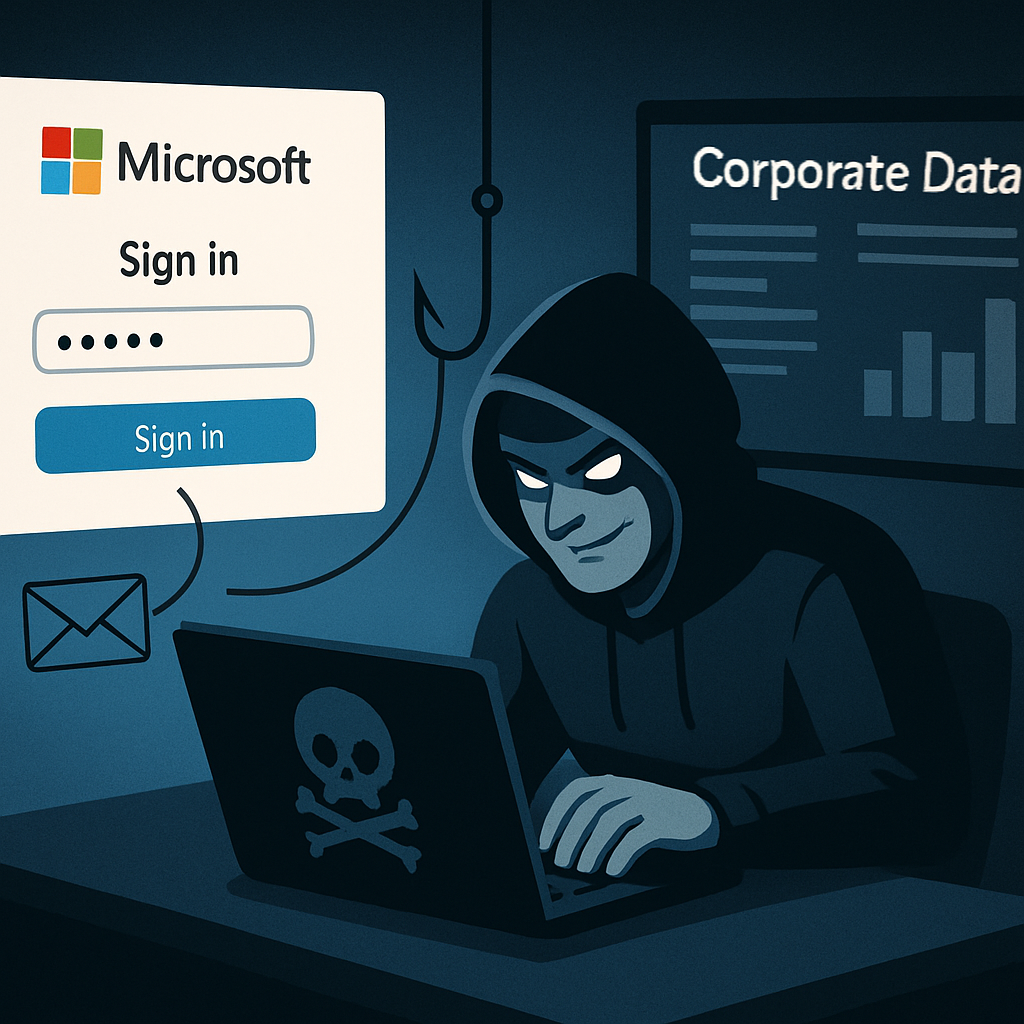
Kali365, a sophisticated phishing-as-a-service platform, has been identified as exploiting Microsoft’s legitimate authentication processes to infiltrate U.S. organizations. By manipulating device codes, attackers can gain unauthorized access to corporate data, posing significant risks to businesses.
The attack begins with a lure, often a page impersonating trusted services like SharePoint, OneDrive, or DocuSign. Victims are redirected to Microsoft’s genuine device login portal and prompted to enter a code provided by the attacker. Upon completion, attackers obtain access and refresh tokens, granting them continued access to Microsoft 365 services, including emails, documents, and cloud resources.
The consequences for businesses are severe. Compromised email accounts can lead to financial fraud through invoice manipulation and business email compromise. Sensitive data exposure becomes a real threat, with attackers accessing internal files and confidential documents. Operational disruptions are likely, as unauthorized access to cloud services can interfere with daily business processes. Additionally, the subtle nature of this attack can delay detection, increasing response costs and potential compliance issues.
To mitigate the risks associated with Kali365, organizations should prioritize expanding detection capabilities with actionable phishing intelligence. Integrating fresh indicators of compromise (IOCs) into security controls can enhance alert enrichment and blocking decisions. Implementing comprehensive security awareness training is crucial to equip users with the skills needed to identify and report suspicious activities. Furthermore, organizations should prepare for evolving threats by staying informed about new attack vectors and continuously updating their security measures.
The emergence of Kali365 underscores the evolving nature of phishing attacks and the importance of proactive security measures. By leveraging legitimate authentication processes, attackers can bypass traditional security defenses, making it imperative for organizations to adopt a multi-layered security approach. Staying vigilant and informed about such threats is essential in safeguarding corporate assets and maintaining trust.