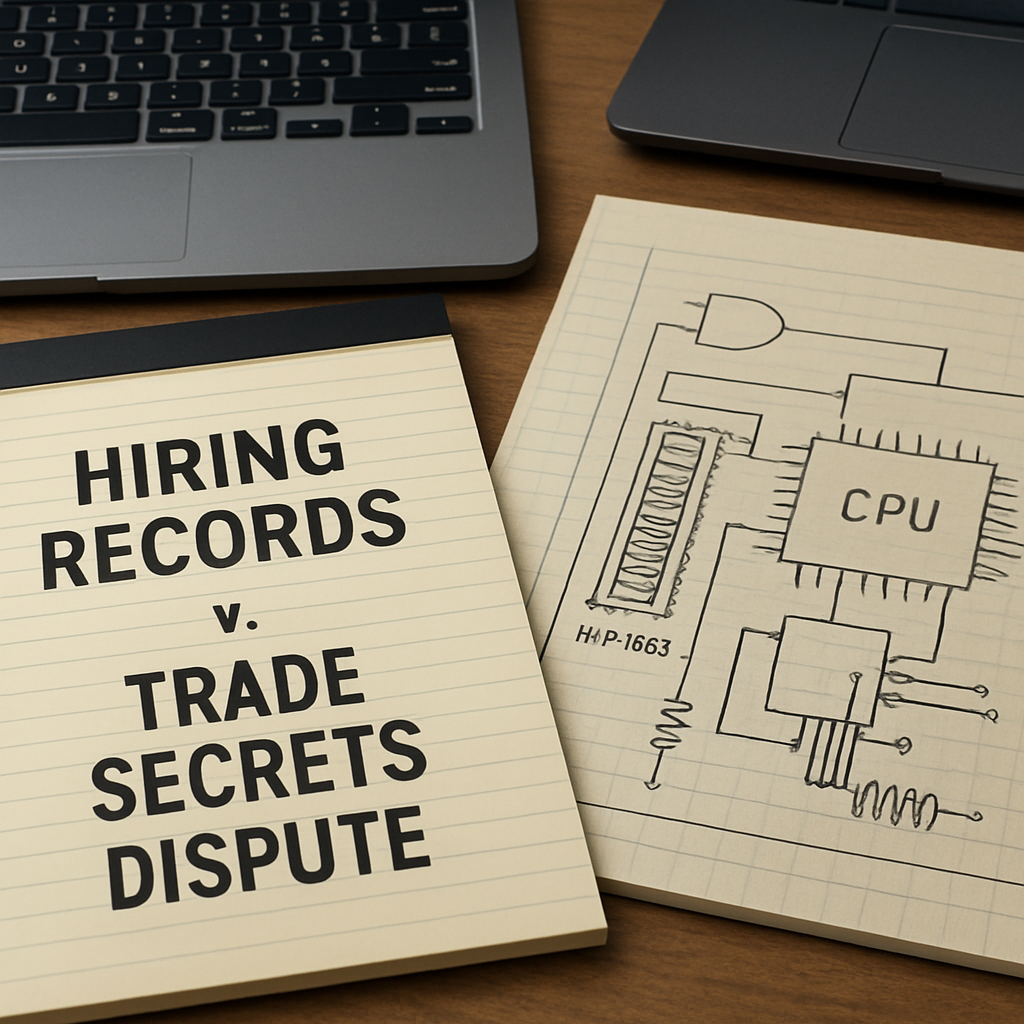
A judge has directed OpenAI to provide Apple with its hiring-related documents as part of an ongoing lawsuit alleging trade secret theft. Apple sued OpenAI in July, claiming employees formerly at Apple misused internal materials and consulting records ahead of hardware developments. The court’s decision specifies that OpenAI must produce interview materials tied to former Apple staff applying for roles in its hardware and robotics divisions.
What the Court Requires
The ordered materials include a range of hiring documents: interview checklists, guides, instructions, scripts, technical presentations, and any records showing that discussions during interviews referenced Apple technology or components. OpenAI has been given five days to turn over materials it already has collected, and 14 days for any additional items that fall under the order. These documents will be expedited by court mandate.
Broader Dispute: What Apple Alleges
Apple alleges OpenAI engaged in a pattern of misappropriating trade secrets, ranging from downloading confidential material using Apple-provided laptops to using employee transitions to procure project documents and unannounced feature specs. One claim is that former Apple employees coached potential hires on what sensitive material to bring into OpenAI during interviews.
In addition to hiring records, the judge has approved access to private LINE messages involving individuals named in the case—OpenAI employees Chang Liu and Alyssa Peng—and depositions for them and OpenAI’s Chief Hardware Officer, Tang Yew Tan, all of whom formerly worked for Apple.
Requests Denied—and What’s Still Possible
While Apple secured several discovery wins, its bid to immediately obtain all of OpenAI’s research on specific hardware R&D areas like metal finishes and power management was rejected. So were broader requests covering what OpenAI is working on internally or what ex-Apple staff have developed since joining OpenAI.
The court left these broader motions open to revision: Apple may streamline its requests and re-submit more narrowly tailored discovery motions in the future.
This ruling marks a substantial moment in the legal fight between two tech giants. Apple is seeking not just proof but internal hiring and communication evidence to back up claims its trade secrets were misused. For OpenAI, it means exposing more of its internal hiring and interview process than many would have expected.