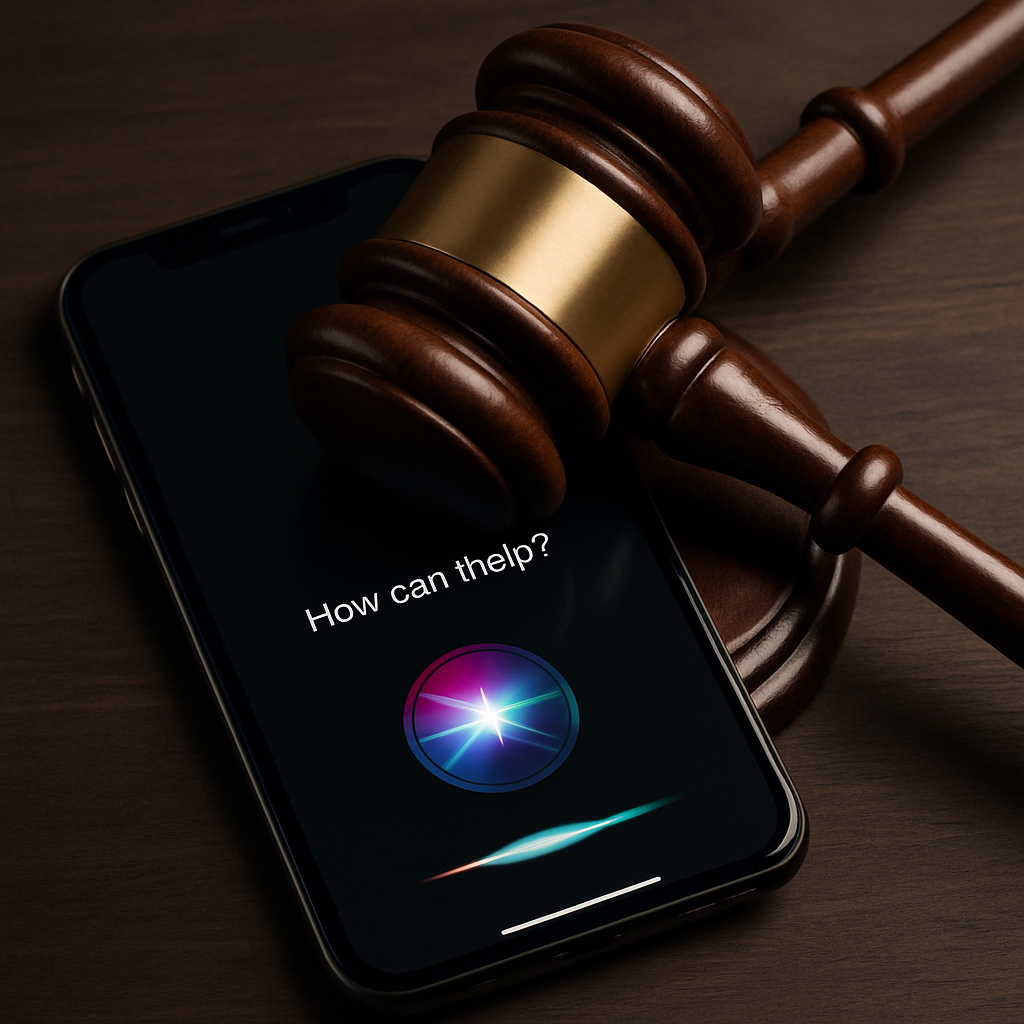
Apple has reached a significant milestone in resolving a class-action lawsuit concerning the delayed rollout of enhanced Siri features. A judge has provisionally approved the company’s $250 million settlement offer, bringing the case closer to conclusion.
The lawsuit, initiated in 2025, accused Apple of misleading consumers by promoting advanced Siri capabilities powered by Apple Intelligence during the iPhone 16 launch in September 2024. These features, showcased at the Worldwide Developers Conference (WWDC) in June 2024, included personalized context understanding and deeper app integrations. However, their release was postponed, leading to allegations of false advertising and unfair competition.
Under the terms of the settlement, eligible U.S. customers who purchased specific iPhone models between June 10, 2024, and March 29, 2025, can submit claims. The devices in question include the iPhone 16 series, iPhone 15 Pro, and iPhone 15 Pro Max. Claimants may receive approximately $25 per device, with potential increases up to $95 per device depending on the number of claims filed.
Apple has not admitted to any wrongdoing but stated that the settlement allows the company to focus on delivering innovative products and services. The company emphasized its commitment to introducing features that enhance user experience while maintaining privacy protections.
With the judge’s preliminary approval, the settlement process is advancing. Eligible customers will be notified within 45 days from the approval date, detailing how to submit claims. It’s important to note that the final approval is still pending, and payouts are unlikely to commence until late this year or early next year.
This development underscores the challenges tech companies face when promoting forthcoming features. While marketing innovations can generate excitement, delays in delivery can lead to consumer dissatisfaction and legal repercussions. For consumers, this case highlights the importance of scrutinizing product claims and understanding that advertised features may not always be immediately available.