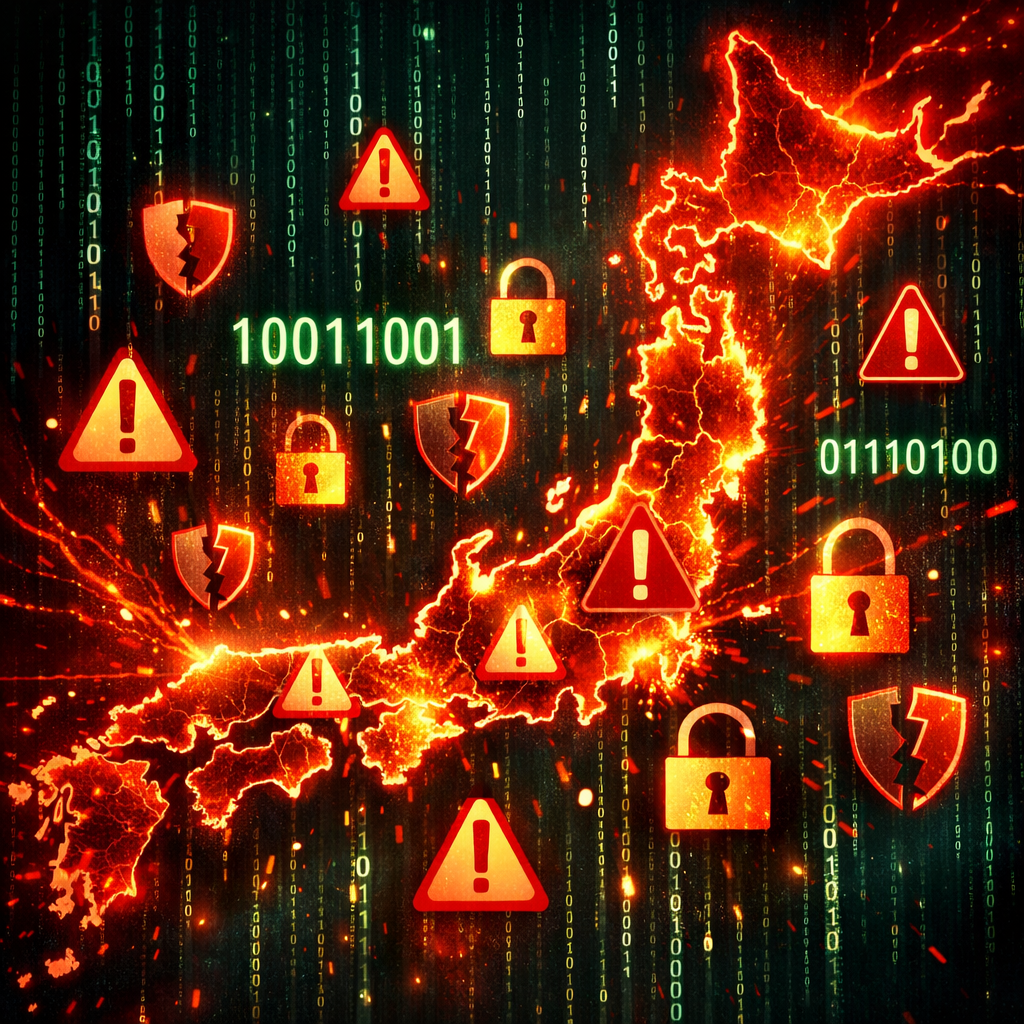
Japan suffered a historic spike in cybersecurity breaches during October 2026, with 233 publicized incidents—roughly 2.4 times its prior monthly high. Private firms, service providers, and public agencies alike were impacted, leaving roughly 185 million personal records exposed or potentially exposed, according to analysis from Trend Micro and MM Research Institute.
This October total nearly quadrupled the number of impacted records relative to all of 2025, with 30 of the incidents each affecting at least one million records. It’s important to note that “records at risk” don’t necessarily equate to confirmed individual victims or verified thefts.
Unauthorized Access, Cloud Services & Nationwide Trends
Between January and September 2026, Japan saw 607 publicly disclosed cybersecurity incidents—already surpassing the 594 recorded over the entirety of 2025. Of those, 331 were traced to unauthorized access, and 62 stemmed from exposures via compromised service providers. Ransomware incidents rose modestly, increasing from 79 to 82 in that span.
One high-profile case involved an email distribution provider called Arara, which disclosed theft of about 81.3 million email addresses linked to as many as 380 corporate customers. Data types exposed ranged from names and birth dates to addresses and membership details. Among the affected clients was SEGA, though its account platform was reported as unaffected.
Another provider, Ymir Link, reported that attackers lifted nearly 47.9 million records from 49 Cuenote FC systems. The methods used included software vulnerabilities, stolen session credentials, and misuse of legitimate CSV export functions—illustrating how everyday tools can become vectors in large-scale breaches.
AI Tools, Automated Probing & Government Response
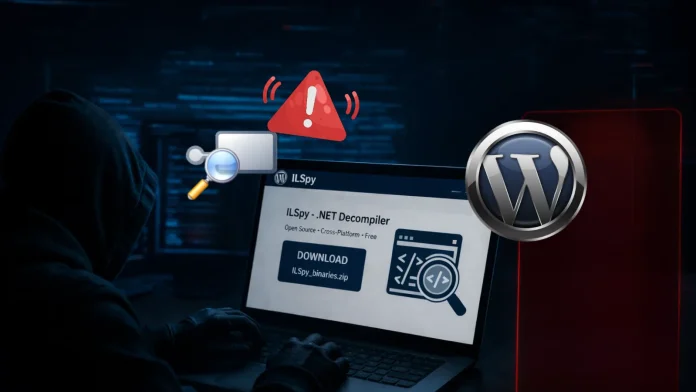
Investigators flagged growing use of AI-assisted techniques across many of these incidents. One study noted attackers using AI to scan for known software vulnerabilities and probe application programming interfaces (APIs). Techniques like server-side request forgery and reverse-engineering tools appeared frequently.
Despite this, there’s no single malware family identified as responsible for the surge, and experts warn the exact role of AI remains unproven. What is certain is the urgent need to patch known vulnerabilities—especially in unsupported software, third-party systems, and weak authentication controls.
In response, Japan’s National Cybersecurity Office has moved swiftly. An emergency cybersecurity budget of 10 billion yen has been approved, targeting intelligence gathering, AI-driven vulnerability scanning, and faster incident response. Organizations nationwide have been urged to shore up defenses around known vulnerabilities and exposed interfaces.
What this means: Japan’s cybersecurity landscape has reached a critical inflection point. The scale and speed of these incidents highlight how attackers are increasingly leveraging automation and AI—but the absence of a single culprit also shows diversity in TTPs (tactics, techniques, and procedures). Going forward, defense strategies can’t just chase threats—they need to build resilience through systematic patching, tighter access controls, and preparing for rapid, coordinated response.