Apple’s new foldable, the iPhone Duo, is polarizing. Its large inner display feels like a blend of iPad and iPhone, but that benefit comes with compromises that may matter depending on how and what you use your phone for. In the latest episode of The MacRumors Show, the team reflects on early impressions, weighing whether the Duo’s trade‐offs are worth the hype.
Pros: When the Foldable Form Factor Shines
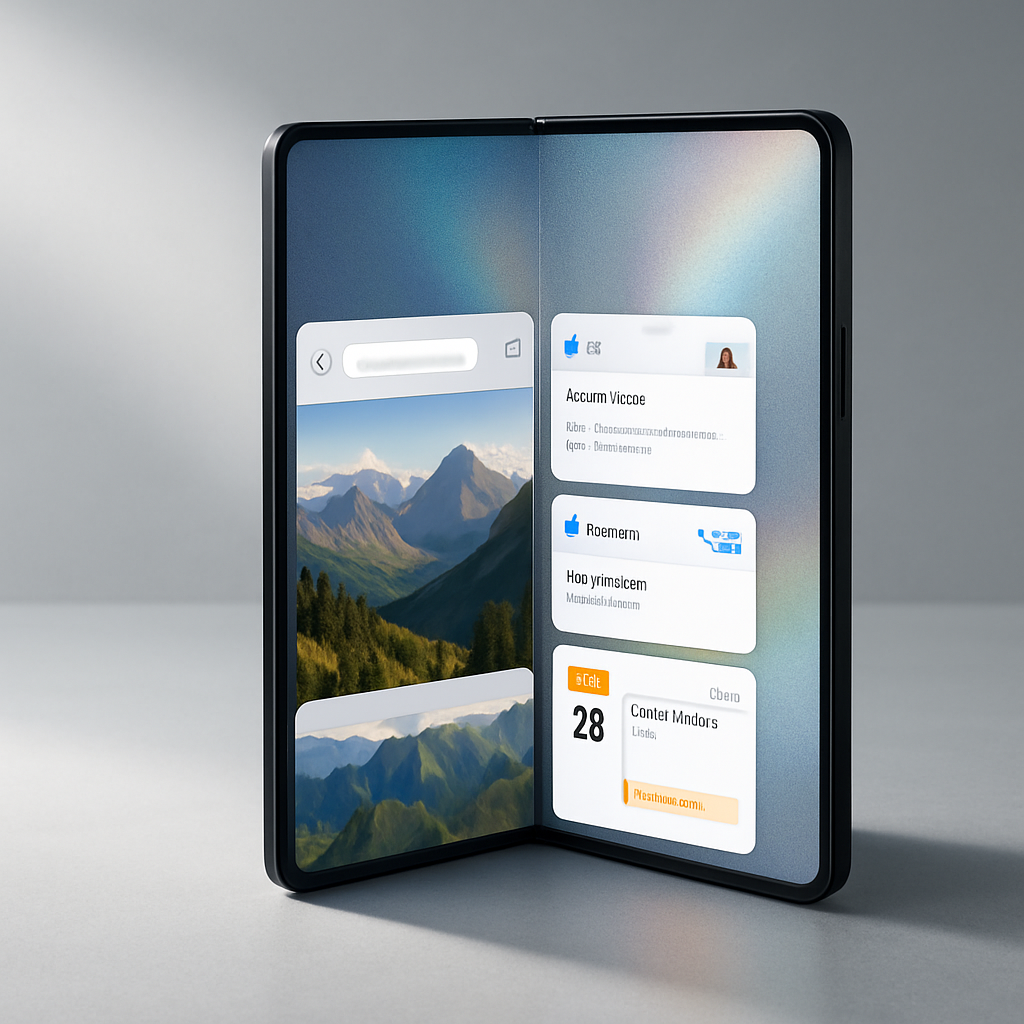
The Duo’s inner screen is the centerpiece: vastly larger than a conventional iPhone, offering more usability for watching video, reading, multitasking, or working while on the move. That display is tailoring its features for people who leverage the extra screen space regularly—think travelers, professionals toggling between documents or apps, or users who like reading long‐form content on the go. That inner canvas makes a difference in productivity.
One highlight is the foldable’s nano-texture finish, which aims to cut down on glare without fully losing the glossy look many users expect. Early hands-on reports suggest it tempers reflections while preserving brightness and vibrancy, though photos and videos tend to exaggerate or misrepresent the results. Another big change: integrating Touch ID as an alternative to Face ID, which gives flexibility especially for one-handed use or situations like wearing a mask.
Cons: Weight, Thickness, Camera Limitations & Trade-Offs
Yet the Duo isn’t perfect. Its bigger inner screen adds bulk—not just in size but in thickness, weight, and design trade-offs that accompany foldables. Those compromises are more tangible when you don’t regularly take advantage of the dual-display setup. For users for whom the most common tasks are messages, photos, or social feeds, the Duo’s extra size and the camera sacrifices may feel like too great a cost.
Camera performance and screen quality are under scrutiny: some early feedback points to concerns about sharpness, saturation, and a visible crease where the display folds. The nano-texture finish helps with glare but may soften reflections so much that the screen appears less crisp in certain lighting. Whether these trade-offs are deal-breakers will depend heavily on what a user values most: image fidelity or utility.
There are also ergonomic issues. The broader inner screen makes one-handed operation more difficult. Whether travel replaces the Duo for when you might otherwise bring along an iPad is another question. For many, the Duo could augment—but not completely replace—other devices in their lineup.
Other Highlights: AirPods 5, Watch Series 12 & iPhone 18 Pro
Beyond the Duo, the show discusses Apple’s new AirPods 5, which are creating buzz for their improved active noise cancellation and better fit, especially for users who find silicone tips uncomfortable. Apple’s new EQ tool in iOS 27 offers more sound customization, helping balance out a bass‐forward bias some have noticed.
The Apple Watch Series 12 gets attention for a revamped Health app and new longevity metrics that go beyond incremental changes. While the overall design remains familiar, these health features could make the Series 12 feel like a meaningful upgrade—especially for those who use health tracking heavily.
Lastly, the iPhone 18 Pro is evaluated: its variable aperture camera, refined Dynamic Island design, and new photo styles draw interest. Some of these updates may feel subtle for anyone upgrading from the iPhone 17 Pro, although new photo styles may offer just enough incentive—and discounted older models could undercut the value of switching now.
Final take: The iPhone Duo is most compelling for those who will truly take advantage of its larger display—reading, multitasking, media consumption—while accepting trade-offs in portability, camera fidelity, and ergonomics. If most of your phone time is spent on lighter tasks, an iPhone Duo may feel like overkill.
Why this matters: Apple is pushing into foldables with the Duo—an entirely new form factor for its flagship lineup. What consumers think of the Duo will reverberate through Apple’s design choices (and rivals’) for the next few years. Keep an eye on real-world battery life and durability reports, and whether Apple addresses early complaints about display creases and screen finish. The Duo may not be for everyone, but it could be a hinge point for what’s next in premium phones.