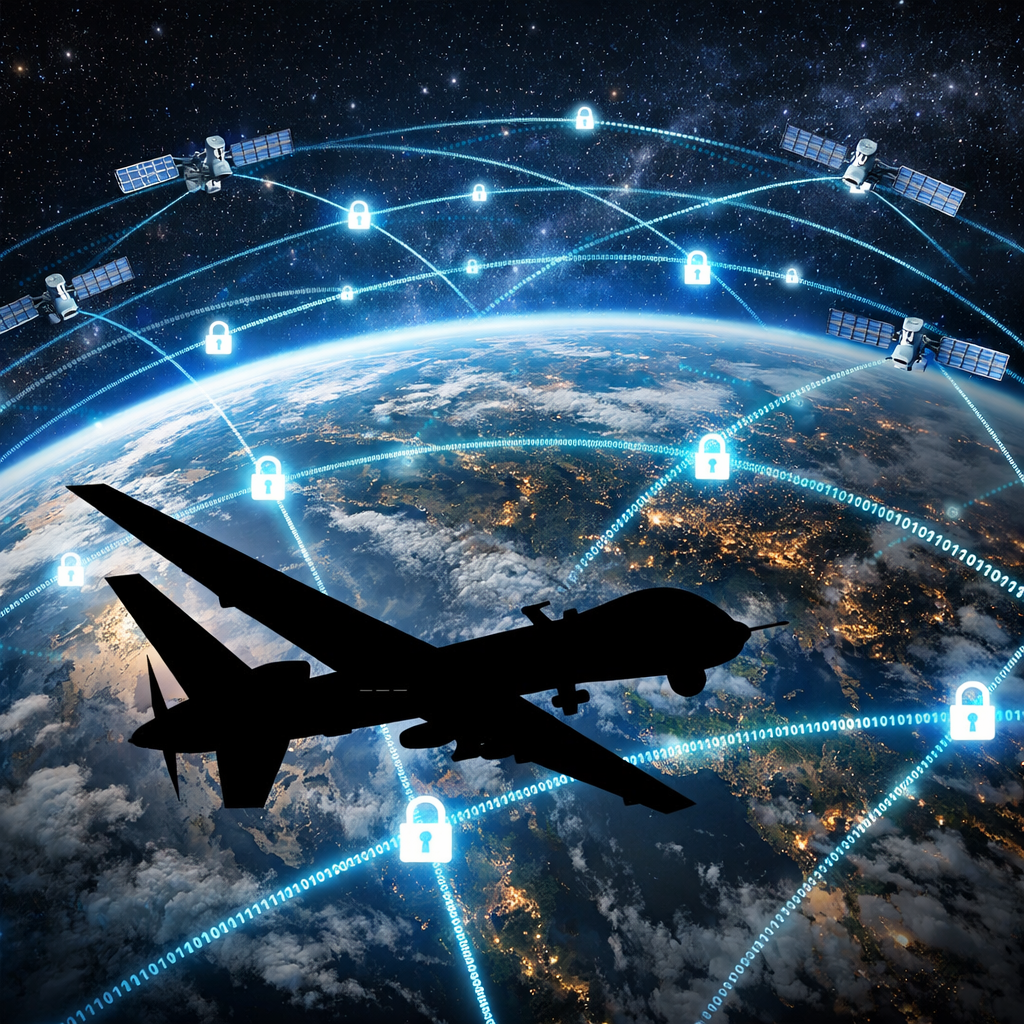
A classified U.S. government report reportedly reveals that Iran harnessed SpaceX’s Starlink internet service for military operations against American forces. After the U.S. targeted Iran’s more conventional communication networks, the country is said to have shifted its operations to Starlink for controlling attack drones.
The document, circulated to senior defense officials including the Secretary of Defense, alleges that Iran used Starlink to coordinate an Iranian drone strike on a U.S. military facility in Port Shuaiba, Kuwait, on March 1. That attack resulted in the deaths of six U.S. service members. The shift to Starlink appears to have been part of Iran’s strategy to bypass the loss of more traditional, likely compromised, communication infrastructure.
SpaceX Reacts, U.S. Queries
SpaceX CEO Elon Musk reportedly reacted with strong anger when he learned that Iran was using Starlink in this way. Musk was additionally incensed upon hearing that the U.S. military was employing Starshield—a military-tailored version of Starlink—for its own drone operations. In response to these revelations, SpaceX tightened its control over Starlink distribution and suspended its Indirect Reseller Program. These measures reflect concern over unauthorized or unintended uses of its technology.
The Pentagon, however, has stated it is unaware of any such report. A spokesperson offered no confirmation about the details, including whether Starlink was used in Iran’s drones or whether the March strike was directly coordinated via the service.
Implications and Risks
If the claims hold, they highlight serious risks inherent in commercial internet constellations being co-opted by state actors for military purposes. Starlink’s high bandwidth, low latency, and near-global reach make it appealing for drone guidance and combat communications—especially if other networks are disrupted.
These developments also raise questions about oversight, export control, and the role private tech companies play in national security. The blurred boundary between military and civilian use complicates regulatory responsibility and ethical obligations.
Ongoing investigations are expected to explore the evidence supporting the report, how Starlink’s systems were secured or compromised, and whether U.S. defense standards for unmanned operations need adjustment. Congressional and executive branches may weigh in on whether to impose stricter control over satellite internet platforms in wartime contexts or during conflicts.
This story matters because it underscores a growing trend: commercial space technology increasingly intersects with military operations. As more nations deploy private-sector satellite assets, issues like dual-use, authorization, and accountability will become ever more central. Watch closely how companies, regulators, and global norms evolve to address such convergence in coming years.