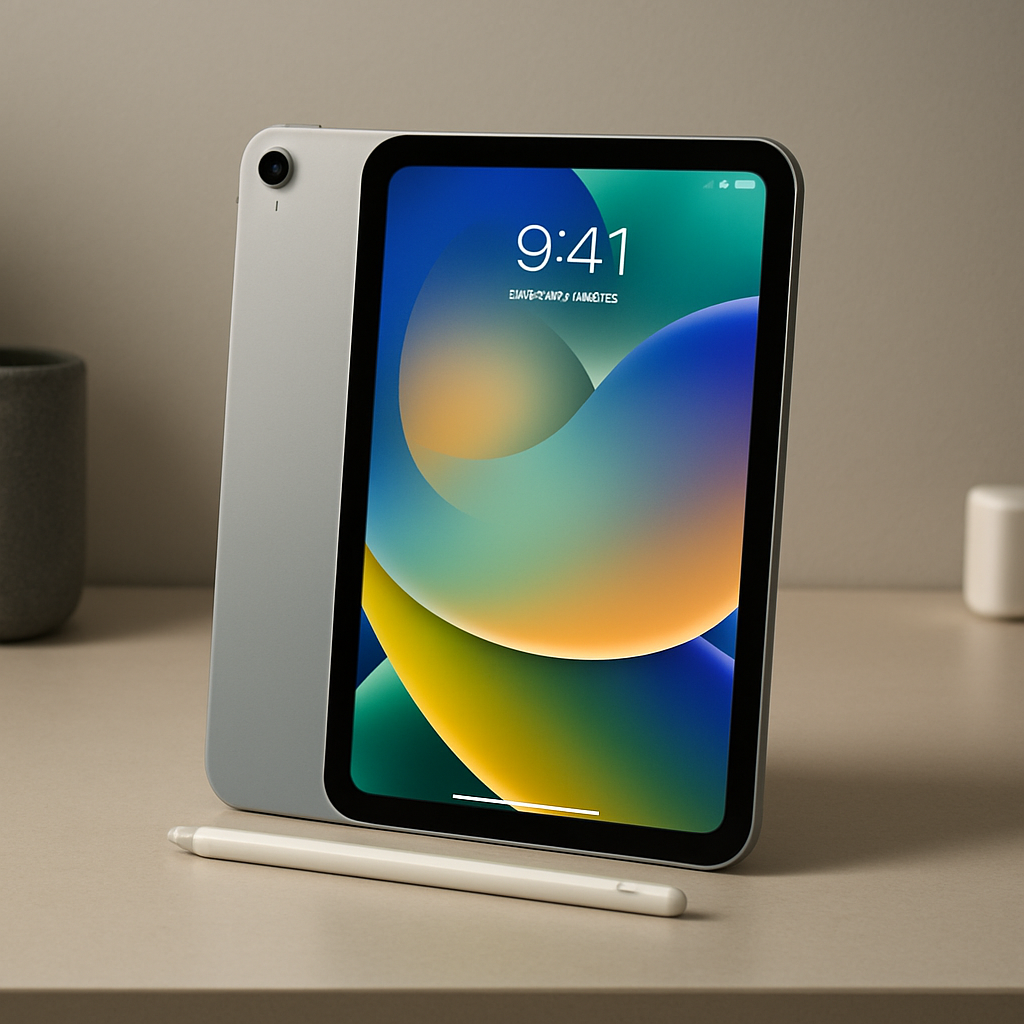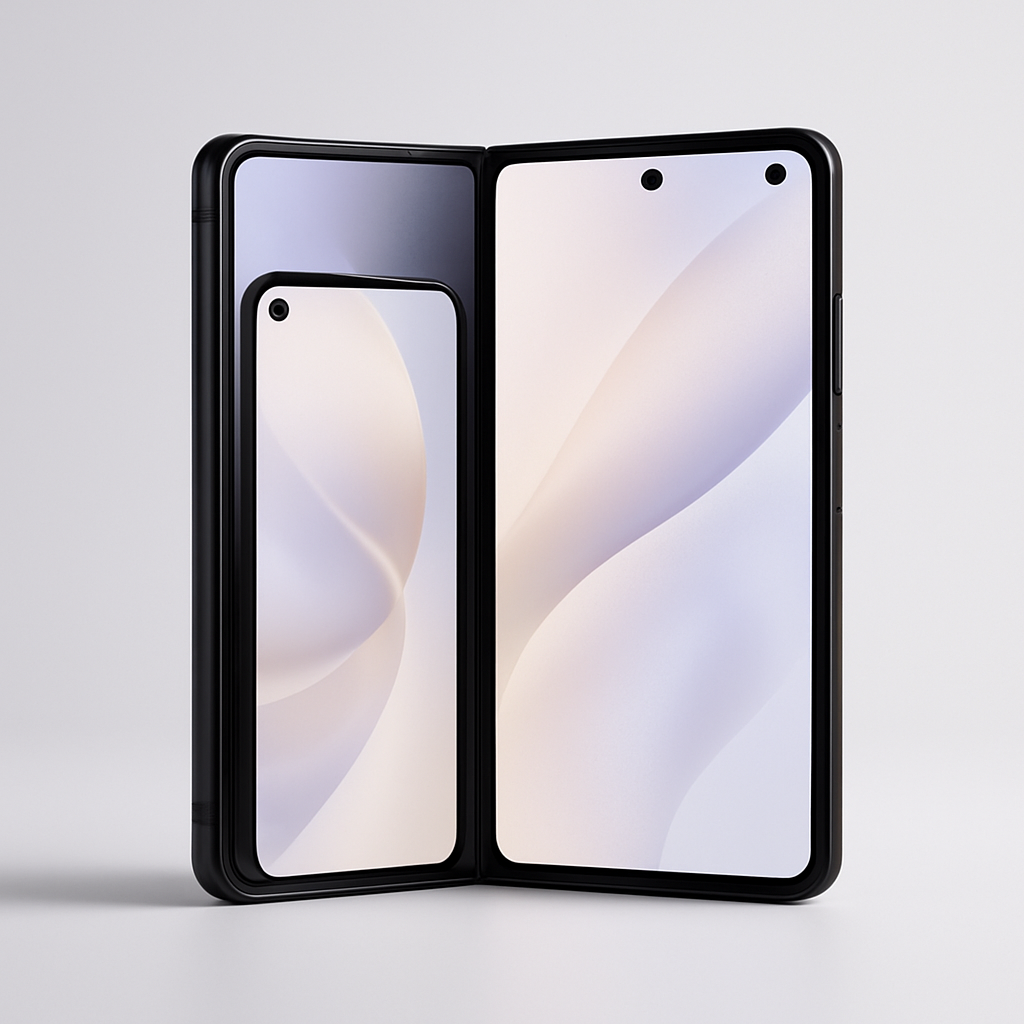
Apple’s forthcoming iPhone Ultra, the company’s anticipated entry into the foldable smartphone market, is generating buzz with new insights into its design. Recent leaks suggest that both the inner and outer displays of the device may feature selfie cameras positioned in the same top-right corner, a departure from traditional placements.
Historically, Apple’s design philosophy has emphasized symmetry and user-centric functionality. The potential alignment of both front-facing cameras in a single corner could streamline the device’s internal architecture, optimizing space within the slim 4.5mm chassis. This design choice may also enhance the user experience by providing a consistent orientation for selfies and video calls, regardless of the device’s folded or unfolded state.
While accessory manufacturers often base their designs on leaked CAD files, which can vary in accuracy, the convergence of multiple leaks lends credibility to this proposed camera placement. However, it’s essential to approach such information with caution until official confirmation is provided.
The iPhone Ultra is expected to debut next month, boasting a 5.5-inch cover display and a 7.8-inch inner display. Under the hood, it’s rumored to house the A20 Pro chip and a substantial 5,000mAh battery. Notably, the device may forgo Face ID in favor of Touch ID integrated into the side button, aligning with the challenges of incorporating facial recognition technology into foldable designs. Additionally, a 48-megapixel dual rear camera system is anticipated, promising enhanced photography capabilities.
As the foldable smartphone market continues to evolve, Apple’s design choices for the iPhone Ultra will be pivotal in setting it apart from competitors. The potential dual-camera placement reflects a thoughtful approach to maximizing functionality within the constraints of foldable technology. Consumers and industry analysts alike will be keenly observing how these design decisions translate into real-world performance and user satisfaction.