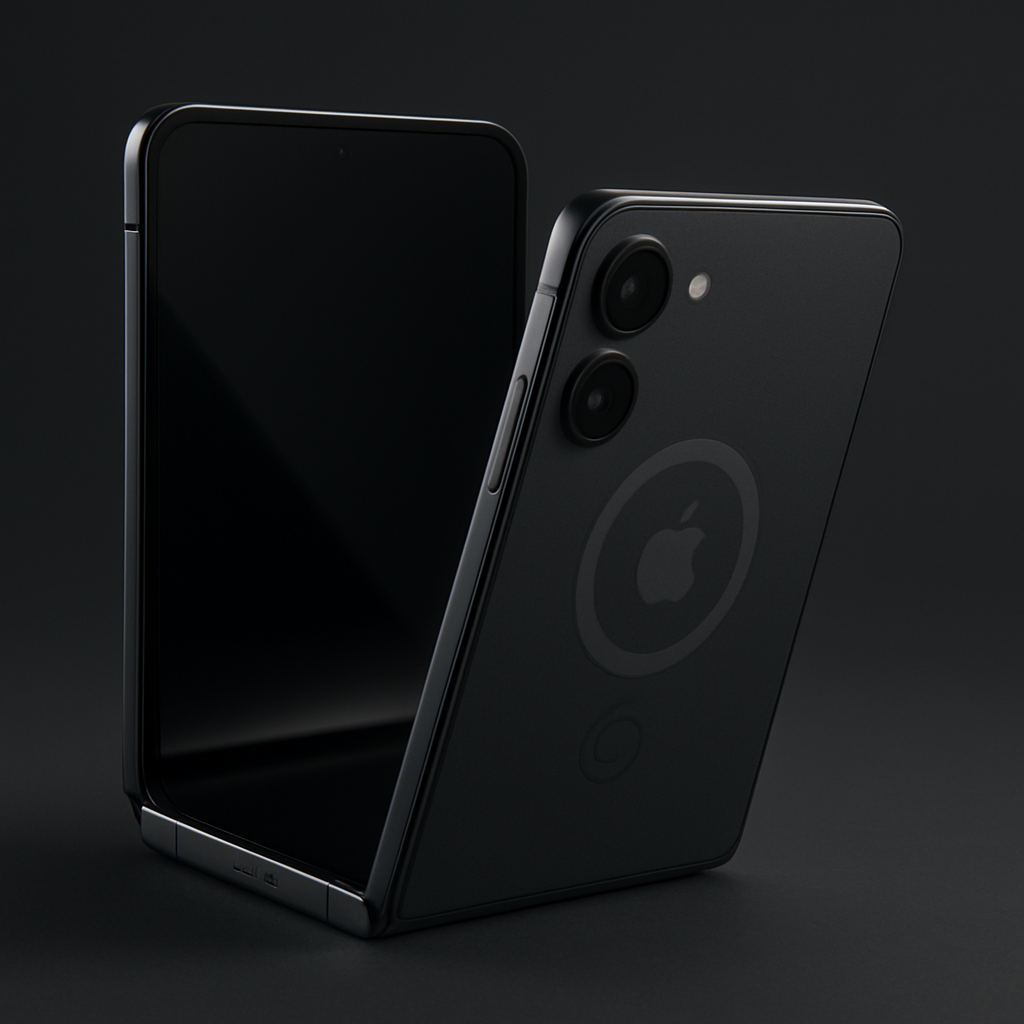
Apple is poised to unveil its first foldable iPhone—likely named iPhone Ultra—tomorrow, and the latest leaks give us a clear look at what to expect. New information sheds light on pricing, design features, regional launch timing, and what may be missing in typical iPhone security.
Pricing: A Leap Above the Pro Models?
At launch, the iPhone Ultra is rumored to start at $1,999, but recent component cost increases have pushed discussions toward a base price of $2,199. If you opt for higher storage, pricing could climb toward the $3,000 mark. This would make the Ultra the most premium iPhone to date in terms of starting price.
Launch Delays, Touch ID, and Display Design
Reports out of China suggest the iPhone Ultra won’t arrive there until sometime after the global rollout. The hold-up appears tied to its eSIM-only configuration, since China’s adoption and regulatory framework for eSIMs reportedly aren’t yet ready. Previous Apple devices with eSIM-only designs, like the iPhone Air, also faced delayed launches in China for similar reasons.
On the security front, recent leaks reinforce expectations that the Ultra will ditch Face ID in favor of Touch ID. This has been a contentious prediction—while some see it as a regression, others view Touch ID’s return as a strategic feature for flexibility in authentication.
Design-wise, Apple has reportedly developed a hinge that blends titanium and aluminum, paired with custom cover glass, to minimize the visible crease that foldables typically show. It’s not a crease-free display, but it’s said to be far less noticeable than what’s found on existing foldable devices—and positioned to be a key selling point.
Does MagSafe Make the Cut?
One lingering uncertainty has been whether the iPhone Ultra will support MagSafe. Leaks—including commentary from known Apple intell in recent interviews—suggest that MagSafe will indeed be included. If accurate, this will give users continued access to Apple’s ecosystem of magnetic accessories, wireless chargers, and mounts.
The name “Ultra” hasn’t been entirely confirmed either. It could be what this foldable flagship ends up being called, but alternate naming is still a possibility until official announcement.
What this means: Apple seems to be stepping firmly into the premium foldable category, aiming to stand apart from its competitors with elevated materials, design tweaks to reduce crease visibility, and a notably high starting price. Whether Touch ID instead of Face ID proves to be a strength or a trade-off will likely depend on user priorities.