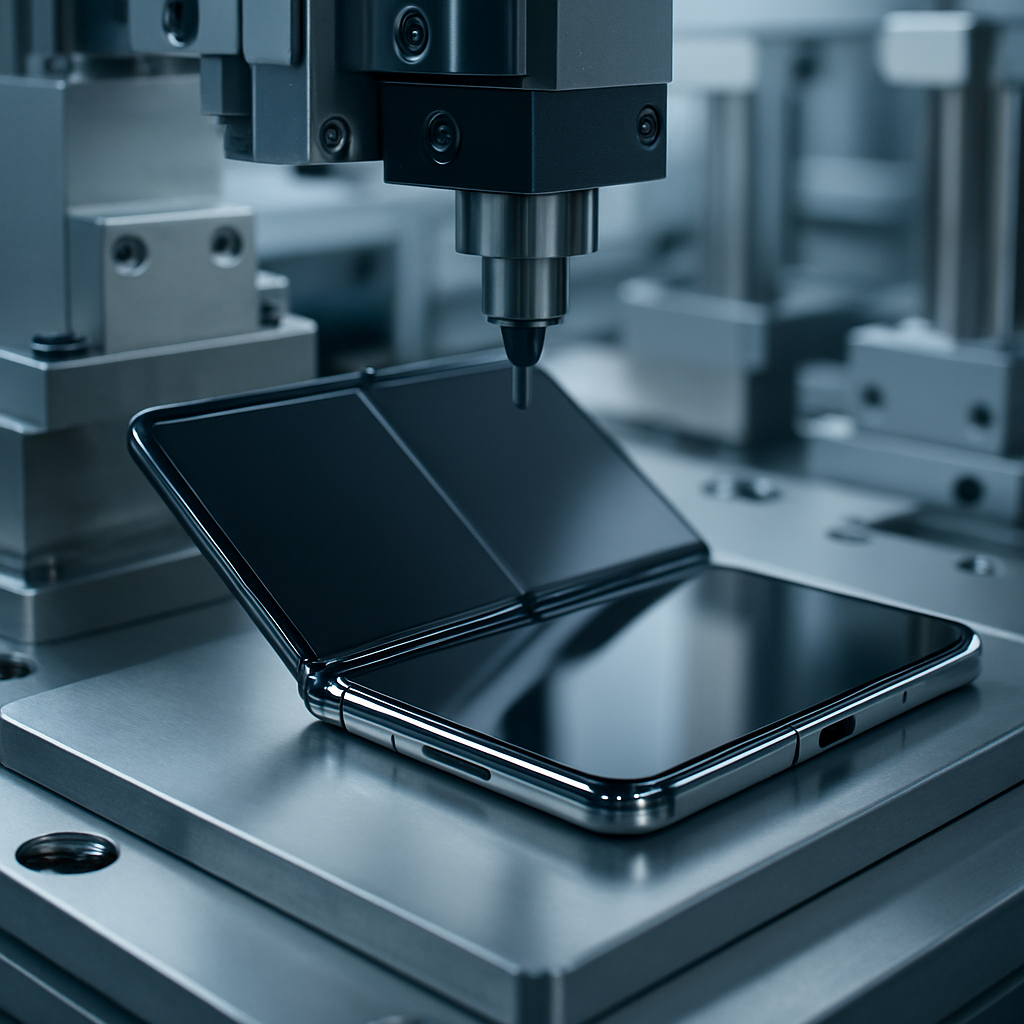
Apple’s upcoming foldable iPhone Ultra is already in production, but not in the volumes some expected. In late August, the output reportedly lingered at only a few hundred units per day—far below what would satisfy global demand. The company appears committed to perfection, with strict standards causing delays in mass production.
Manufacturing Struggles and Quality Scrutiny
The flagship foldable’s production has hit snags largely due to its complex design. Two major hurdles: the hinge mechanism and display durability. Both have required extended attention even after initial trial runs at Apple supplier Foxconn. Foxconn’s early work seemed promising enough that Apple raised its order forecast to about 10 million units—up from 7–8 million. But despite those steps, key engineering issues persist. The outer surface flatness and hinge performance are areas where Apple is pushing for better quality and higher yield rates.
These fine tolerances and expectations for precision have reportedly forced an additional verification step in August, further pushing back the start of full-scale production by weeks. Suppliers are said to be working around the clock to avert stock shortages at sales outlets.
Launch Timeline and Market Implications
The launch date remains set for Apple’s event on Wednesday, September 9, where the iPhone Ultra is expected to be unveiled alongside the iPhone 18 Pro and iPhone 18 Pro Max. But the constrained production rate has implications. First, initial availability may be limited. A staggered rollout is rumored, possibly confining early sales to the U.S.
Despite the tight production, the move to ramp up units—from initial trial runs to a forecasted 10 million-year goal—shows Apple’s ambition to make the Ultra a serious market entrant. But the current pace suggests any immediate retailer stock will be slim.
Even with its notably high standards creating delays, Apple’s decision to delay for quality control underscores rising consumer expectations, especially as foldable phones become more mainstream. The Ultra’s hinge and display durability are touchstones for this device category.
Still, if Apple can overcome these early production constraints, it may set a benchmark for reliability in foldable phones. The big question now is how much demand it may miss if supply falls short at launch—and whether the company can quickly scale up after September 9.
Looking ahead, what to watch: announcements around retail availability and preorder dates post-launch. If Apple targets 10 million units annually, it must streamline production—and quickly. For consumers, that could mean months of waiting depending on region, supply chain improvements, and how scalable quality control can be without sacrificing design standards.