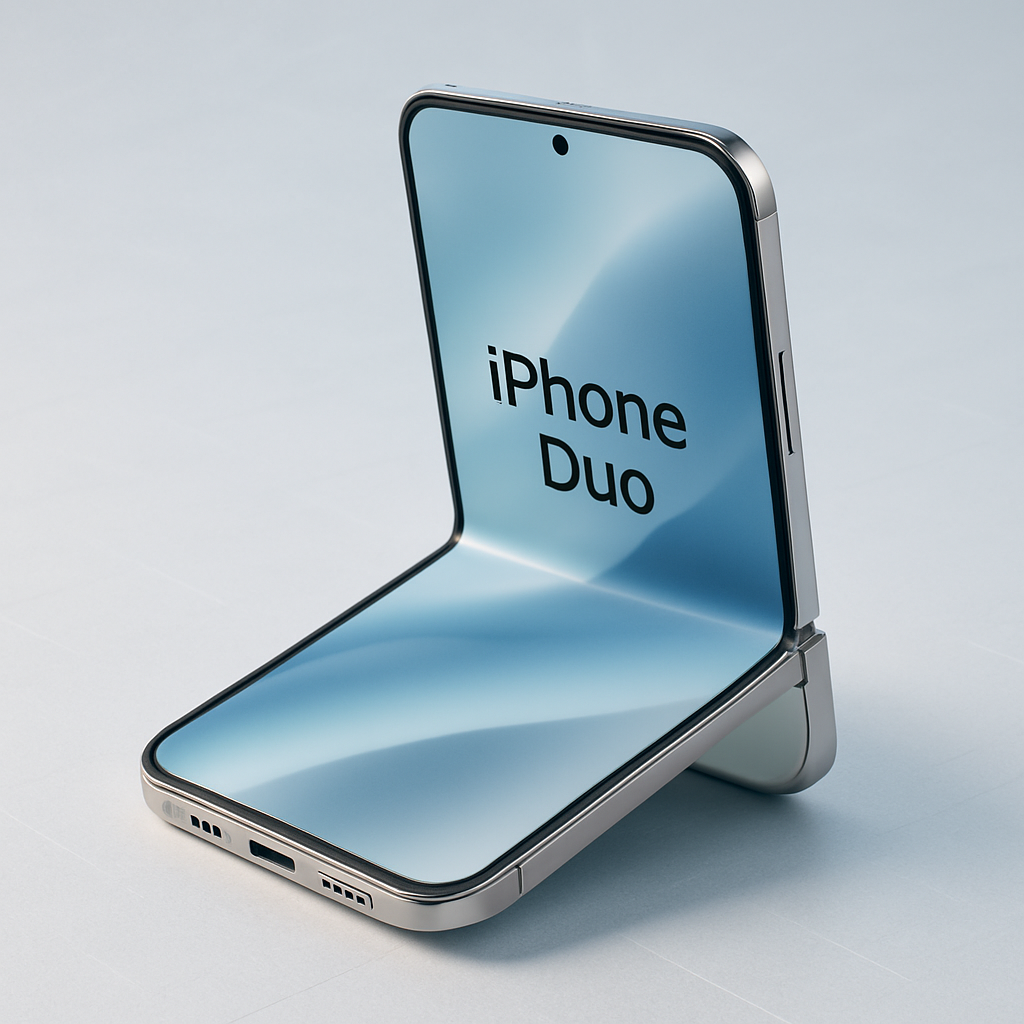
Pre-orders for Apple’s new premium foldable flagship—nicknamed the iPhone Duo—have opened with overwhelming demand. Within half an hour of going live, the device sold out, pushing delivery estimates for fresh orders into late January 2027. The massive sellout highlights both Apple’s marketing triumph and a significant supply issue. It’s a major win—but one with costly downsides.
The Hype Was Real
Since its unveiling on September 9, the iPhone Duo has captured more attention than any recent iPhone release. Its pricing—north of $2,000—and unconventional design could have confined interest to wealthy tech enthusiasts, but that hasn’t been the case. Even users loyal to Android have expressed curiosity. The product launch was executed with uncommon polish, signaling Apple knew it had something special.
Supply Shortfalls Shadow Success
That buzz translated into an explosive early sales performance. Apple sold out quickly, with shipping for new orders pushed back by over three months just 30 minutes after pre-orders began. That marks an unusually long delay for a mainstream product—and a clear failure to match supply with demand.
Ideal launch logistics would fulfill a high volume of orders during the initial 4–6 weeks post-release. Apple hasn’t hit that mark. The immediate backlog means customers will face long wait times, risking frustration and missed revenue that might otherwise have flowed in during that early wave of demand.
The iPhone Duo launch is thus something of a double-edged sword. On one end, Apple scored a significant marketing and product-design win. On the other, the inability to ramp up mass production risks harming customer satisfaction, weakening launch momentum, and leaving money on the table.
Analytically, this launch could serve as a test case for how Apple manages complex hardware introductions in the foldable era. The company’s ability to catch back up on production and minimize delays will be crucial. If not handled well, this kind of deficit between demand and delivery can undermine even the strongest product story. Going forward, the real victory will come if Apple can convert all this enthusiasm into fulfilled orders on a schedule that keeps customers happy—and sales growing.