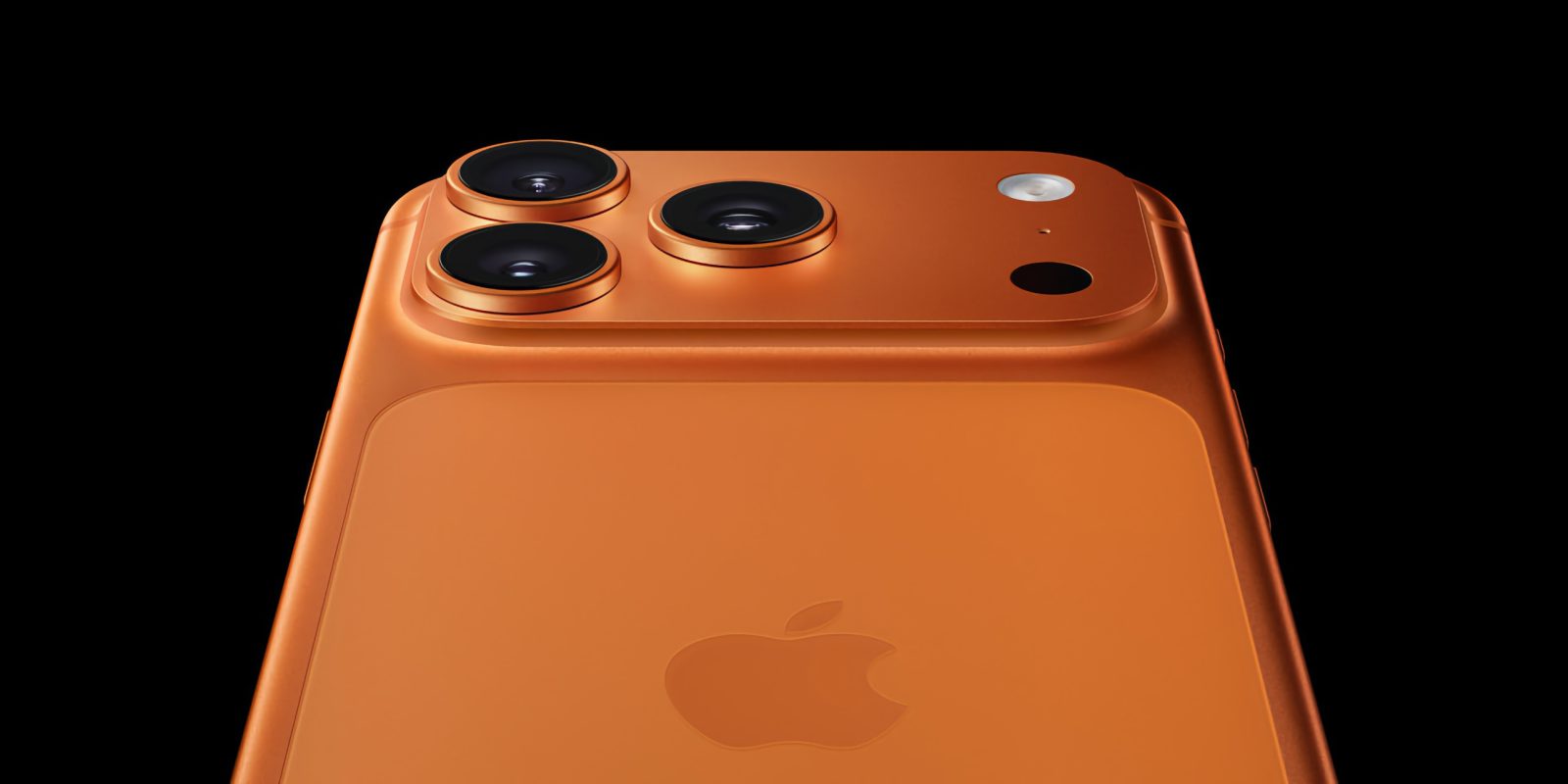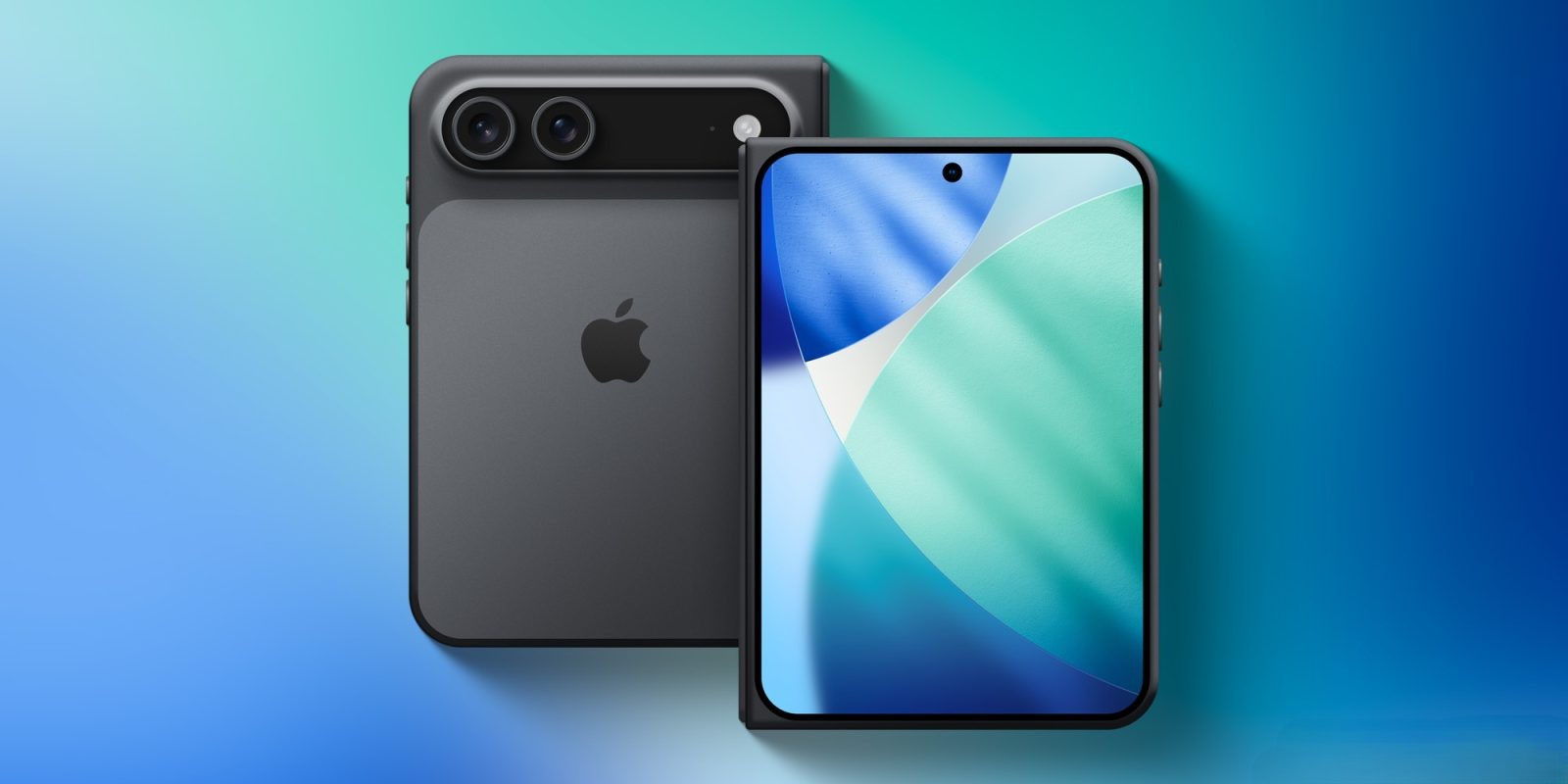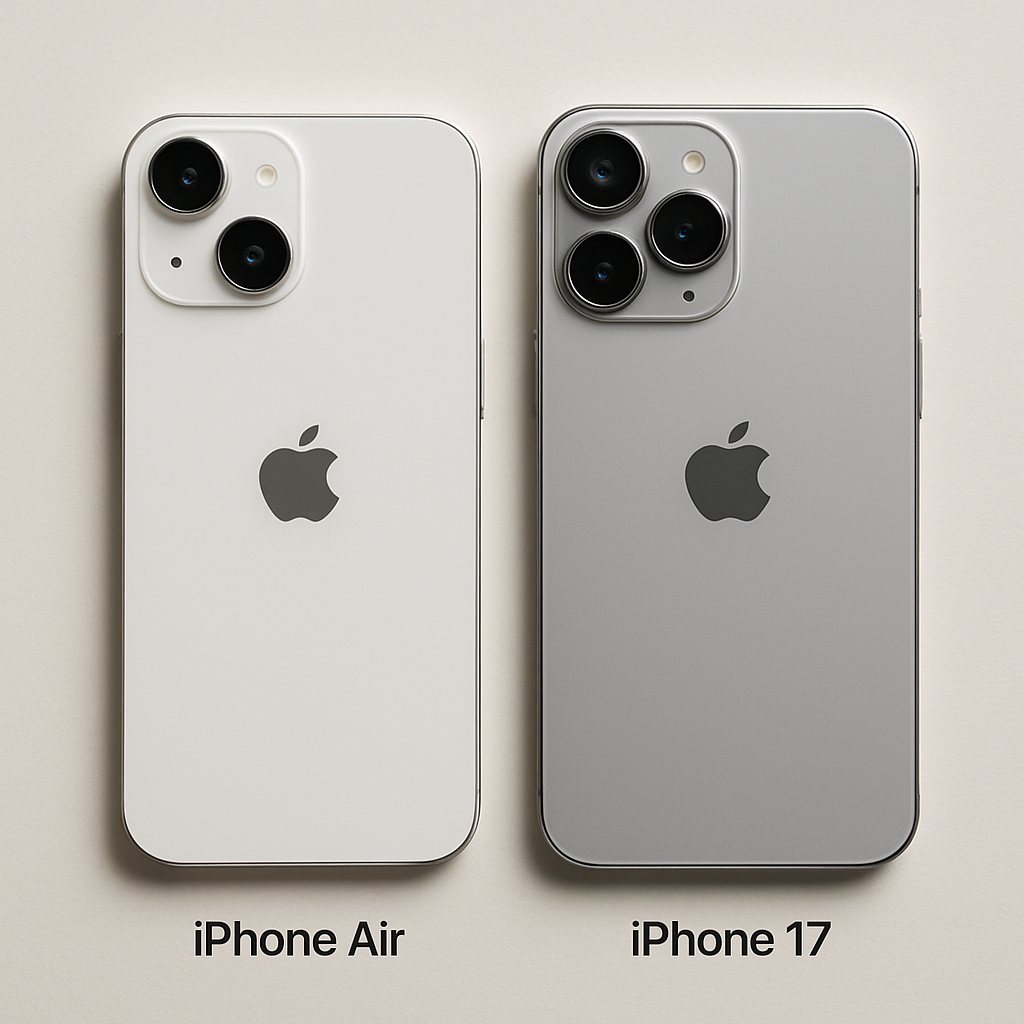
Apple has recently launched trade-in options for its newly released iPhone Air and iPhone 17 models, but they come with a surprising twist: the upgraded iPhone Air, despite its higher base price, yields the same trade-in credit as the cheaper iPhone 17.
What’s Changed?
Before this week, Apple typically holds off on accepting trade-ins for a device until its successor has arrived. That convention has been broken: both iPhone Air and iPhone 17—models still on sale without replacements—are now eligible for Apple’s trade-in program. This move appears timed to let users trade up to the newly announced iPhone 18 Pro or the iPhone Duo, which launched in early September.
The price of the iPhone 17 rose by $100 this week, now starting at $899, and Apple’s trade-in value for it tops out at $585. Meanwhile, the base price of the iPhone Air also went up by $100, now $1,099—but its trade-in value remains capped at exactly the same $585 figure. That means the extra cost you pay for Air over 17 doesn’t translate to more credit when it’s time to trade in.
Given that the iPhone Air shares much of its architecture with higher-end models like the iPhone 17 Pro, many expected its trade-in value to reflect that. But Apple appears to be valuing both models identically in their credit scheme, likely balancing demand and component costs rather than retail price or specifications.
What This Means for Buyers
If you’re buying iPhone Air now, the premium over the iPhone 17 will cost you at purchase—and won’t be recouped through trade-in. Someone selecting the Air based on anticipated resale or trade-in value may feel short-changed, since the extra $200 you pay won’t return extra value when trading in. Essentially, the ‘Air’ premium delivers upgrades in features potentially, but not in trade-in compensation.
For iPhone 17 buyers, the new $100 price bump does not affect their trade-in ceiling. It stays at $585, which now matches that of the Air, neutralizing what once might have been a differentiating factor between the two models.
This clarification also underscores the shifting dynamics of Apple’s pricing and value calculations: it seems the company cares less about matching trade-in value to retail price differences and more about other internal metrics like demand, parts value, or life cycle stage.
In the broader context, trade-in programs have long been a selling point for Apple—offering value recovery and reducing e-waste. But when trade-in values flatten between models with distinct price and feature gaps, consumers are left weighing whether higher-end features truly justify their cost.
Analytically, this move could imply Apple anticipates future Tier 1 releases will further shift value expectations. If the Air doesn’t get extra trade-in credit now, it might suggest Apple plans tighter control over perceived value differentials between tiers. Watch for whether upcoming models—like the next Air or Pro—reset those margins, or whether this leveling becomes a new standard. What matters is that customers should never assume a higher purchase price means stronger trade-in resale value without checking the fine print.