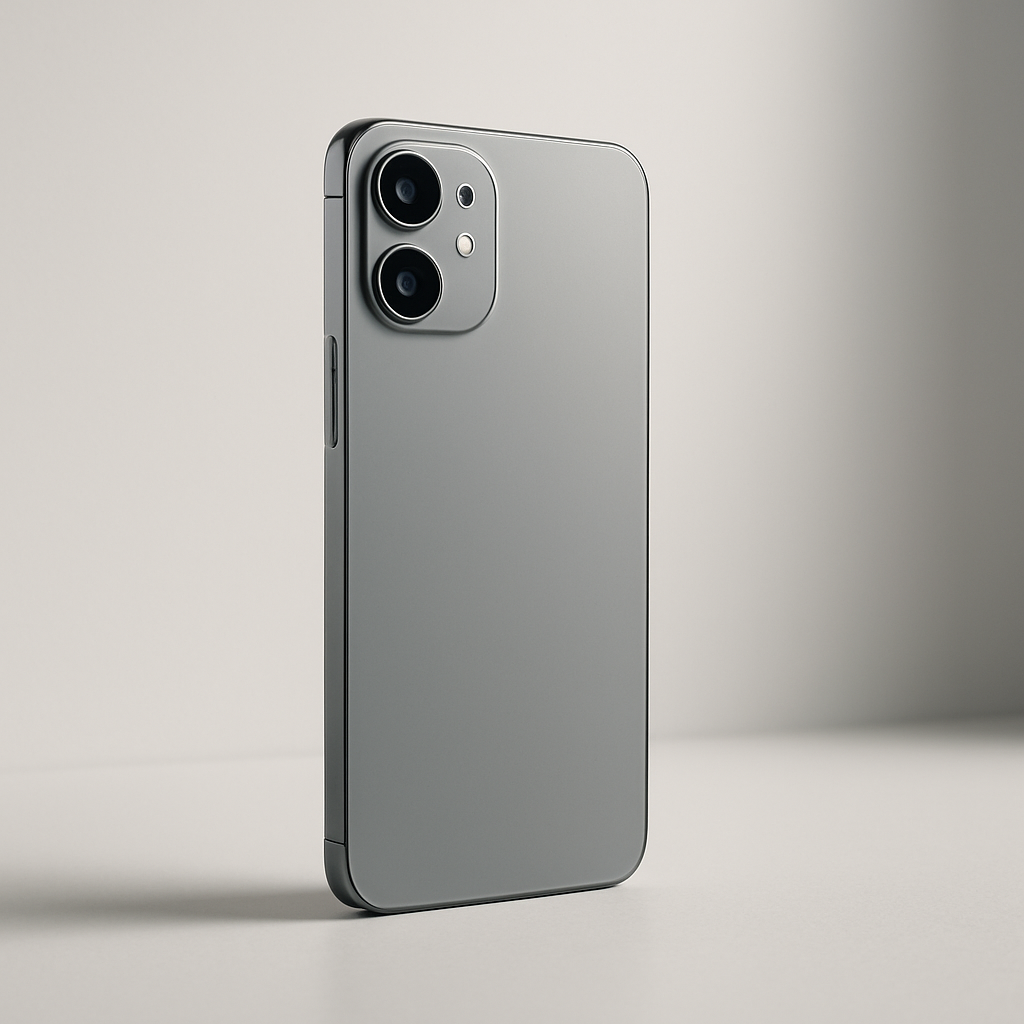
Apple is reportedly developing a new iteration of the iPhone Air, slated for release in spring 2027. This upcoming model is expected to address one of the primary criticisms of its predecessor by incorporating a dual-lens rear camera system.
The current iPhone Air, introduced in September 2025, boasts an ultra-thin design at just 5.6mm thick and features a 6.5-inch Super Retina XDR display. However, it is equipped with only a single 48-megapixel rear camera, limiting its photographic capabilities compared to other models in Apple’s lineup. In contrast, the iPhone 17 offers a dual-lens setup, while the iPhone 17 Pro and Pro Max come with triple-lens configurations.
According to reports, the forthcoming iPhone Air will maintain its sleek design but will add an Ultra Wide lens alongside the existing Wide lens. This enhancement aims to provide users with greater versatility in photography, aligning the device more closely with the camera capabilities of the iPhone 17.
In addition to the camera upgrade, Apple is focusing on improving the device’s battery life. Given the constraints of the ultra-thin design, this improvement is likely to be achieved through enhanced energy efficiency rather than a larger battery. The new model is expected to feature the A20 chip, built on Apple’s advanced 2nm process, which should contribute to better power management.
The iPhone Air’s initial reception was lukewarm, with reports indicating that it did not meet sales expectations. Factors such as the single-lens camera and shorter battery life were cited as potential drawbacks. By addressing these issues, Apple aims to make the iPhone Air a more compelling option for consumers seeking a balance between design aesthetics and functionality.
As the smartphone market continues to evolve, integrating advanced features into slim designs remains a challenge. Apple’s efforts to enhance the iPhone Air’s camera system and battery efficiency reflect a commitment to meeting consumer demands without compromising on design. The success of this strategy will depend on how well these improvements resonate with users when the device launches in 2027.