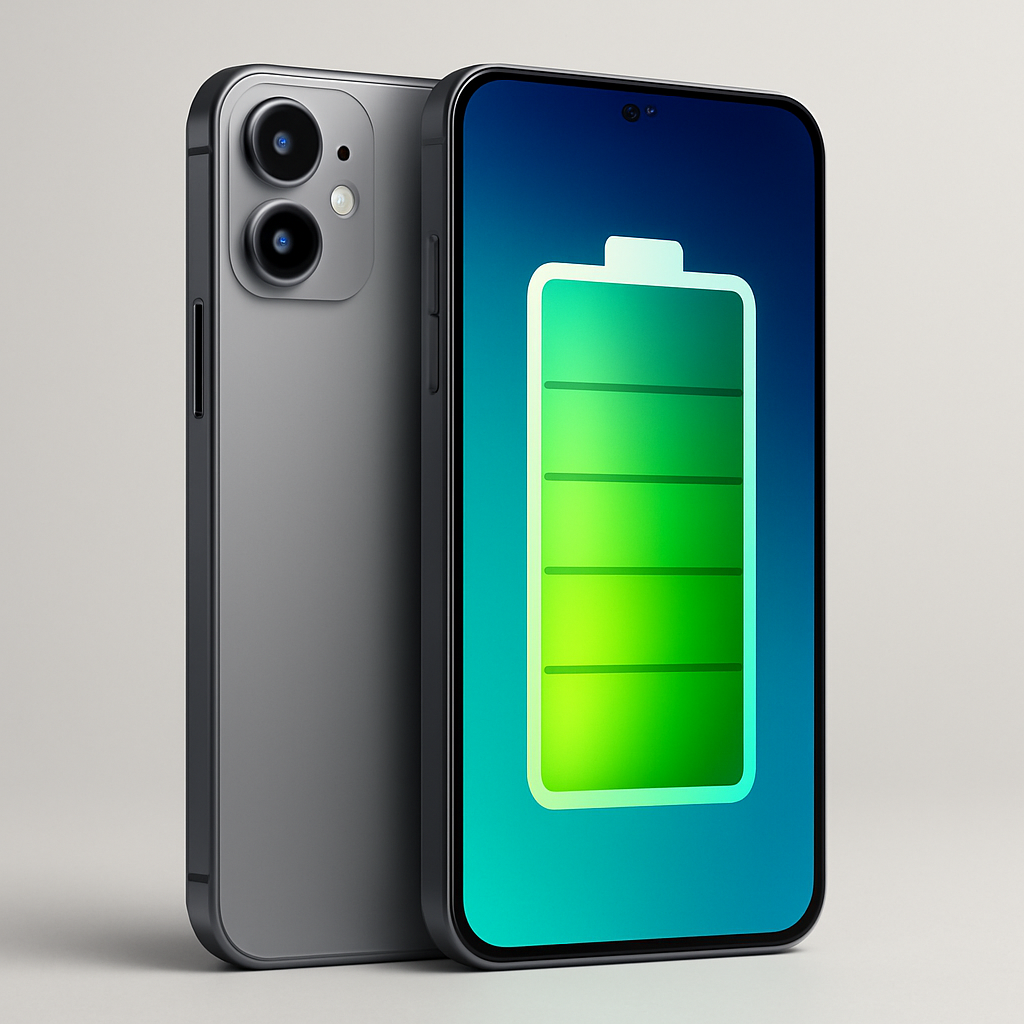
Apple is reportedly developing the second-generation iPhone Air, aiming to enhance its battery life. Recent information suggests that the iPhone Air 2 will be equipped with a 3,500mAh battery, marking an 11% increase from the current model’s 3,149mAh capacity.
Traditionally, a larger battery capacity implies either a physically larger battery or one with higher energy density. However, this doesn’t necessarily mean the device’s size will increase. Apple might optimize internal components to accommodate the larger battery within the existing slim design.
In addition to the battery upgrade, the iPhone Air 2 is expected to feature a second rear camera. The current model includes a single Wide lens, which has been a point of contention among users. The upcoming addition of an Ultra Wide lens aims to enhance the device’s photographic capabilities, aligning it more closely with other models in Apple’s lineup.
Integrating a second camera will require a redesign of the device’s internal layout. This could impact how the battery is positioned and packaged, potentially influencing the overall design and functionality.
Furthermore, the iPhone Air 2 is anticipated to incorporate Apple’s new A20 chip, built on a 2nm process. This advancement is expected to improve energy efficiency, thereby extending battery life. Additionally, Apple may adopt Samsung’s CoE (Color Filter on Encapsulation) OLED technology, which could result in a thinner display. This reduction in display thickness might provide additional space for a larger battery without altering the device’s dimensions.
The iPhone Air 2 is projected to launch in the first half of 2027, alongside the standard iPhone 18 and the more affordable iPhone 18e.
Enhancing battery capacity and introducing a second camera are significant steps for the iPhone Air series. These improvements address previous criticisms and demonstrate Apple’s commitment to refining its products. The integration of advanced technologies like the A20 chip and CoE OLED display indicates a focus on balancing performance with design aesthetics. As the release date approaches, it will be interesting to see how these developments influence consumer reception and the competitive landscape.