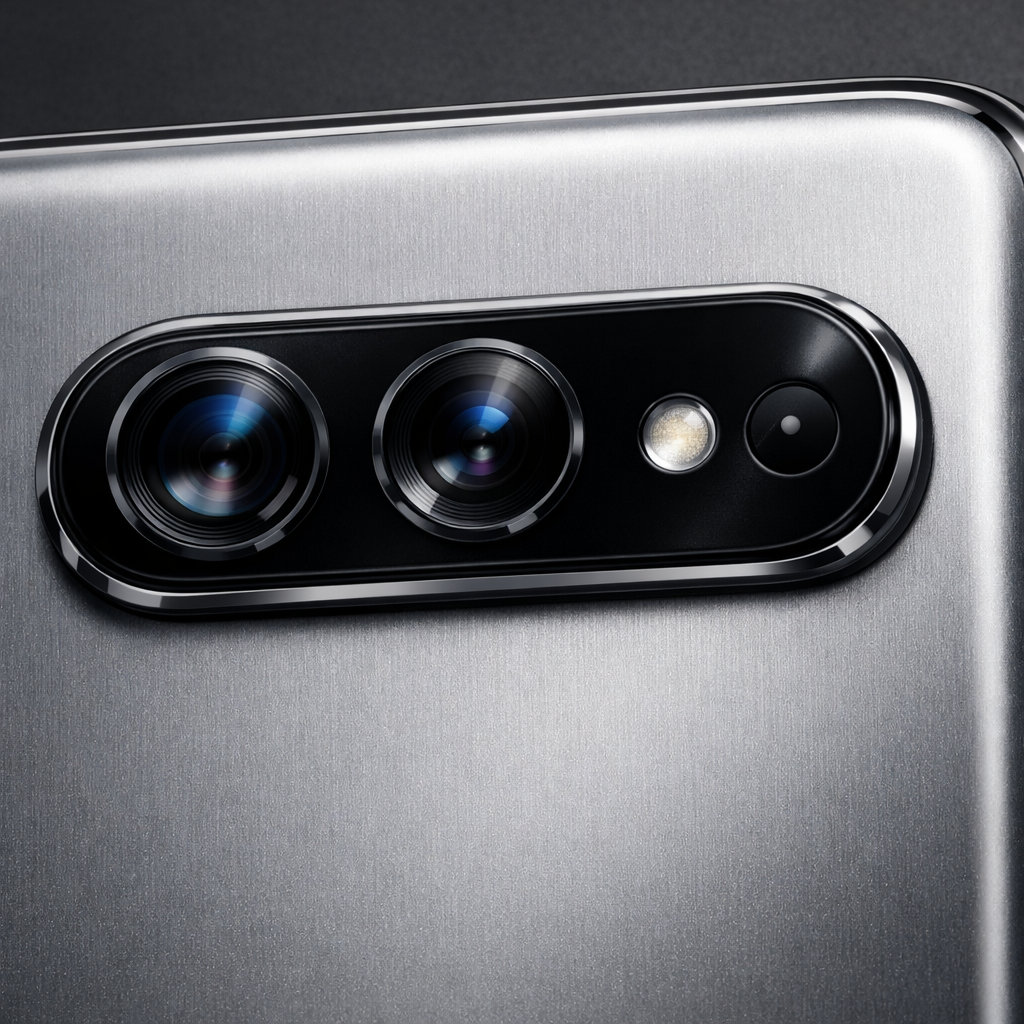
Leaked dummy units of the upcoming iPhone Air 2 provide a first look at Apple’s refreshed design. Most notably, the entry-level model is expected to gain a dual-camera system including an Ultra Wide lens alongside the 48 MP Main shooter, a step up from the single-camera setup on the current iPhone Air. Identifying features include a dual-lens array placed horizontally in a pill-shaped camera module.
Behind the scenes, the iPhone Air 2 is rumored to pack Apple’s next-gen A20 Pro chip, bringing performance improvements, while also benefiting from other hardware upgrades. There are reports that it will reintroduce vapor-chamber cooling—first seen in iPhone 17 Pro—to better handle thermal loads. In addition, a smaller version of the Dynamic Island interface is said to be under consideration to refine the design. Battery life is also expected to improve over the previous generation.
By contrast, the standard iPhone 18 looks set to stick closer to its predecessor, foregoing major visual shifts. It will reportedly run on the A20 chip (without the Pro designation) and come with 9 GB of RAM—a modest bump from its current 8 GB. The focus for this base model is said to be cost efficiency rather than sweeping feature additions.
Why the Air line is changing
Apple’s decision to upgrade the Air series with dual cameras suggests an effort to narrow the gap between its mid-tier and premium iPhones. For many users, Ultra Wide functionality has become a baseline expectation in high-end phones. The design cues—pill-shaped, horizontal layout—align with recent trends in Apple’s lineup, notably the design language shared with the iPhone 18 Duo.
The switch to vapor-chamber cooling marks a significant engineering push, signaling Apple’s emphasis on thermal management even in non-Pro models. A more compact Dynamic Island could reflect efforts to balance screen real estate with design aesthetics. Meanwhile, incremental RAM upgrades and cost containment suggest Apple is trying to keep the price-performance balance favorable for its broader customer base.
With a release window reportedly set for spring 2027, these shifts in camera design and internal specs may become key selling points. Expect Apple to make these changes official during its typical early-year iPhone event, likely along with many software refinements tied to iOS 21 or similar versioning.
What this development means extends beyond just another spec bump. The iPhone Air 2’s upgraded dual-camera system could strongly influence the competitive landscape—forcing rivals to sharpen their mid-range camera offerings. It signals Apple taking serious steps to make its mid-tier phones more capable in photography and design, which may pressure flagship models to deliver even more differentiated features. As Apple doubles down on camera, cooling, and chip advancements in the non-Pro segment, watch for how these changes ripple across pricing strategy, consumer expectations, and what users demand of even affordable iPhones.