Apple’s 20th-anniversary iPhone model—rumored to launch in September 2027—is shaping up to be one of the most ambitious redesigns since the iPhone X. Leaks and analyst reports over the past few months point to sweeping aesthetic and technical upgrades that could redefine what premium smartphones deliver. Here are the ten biggest changes expected in the iPhone 20.
What’s New in Design & Hardware
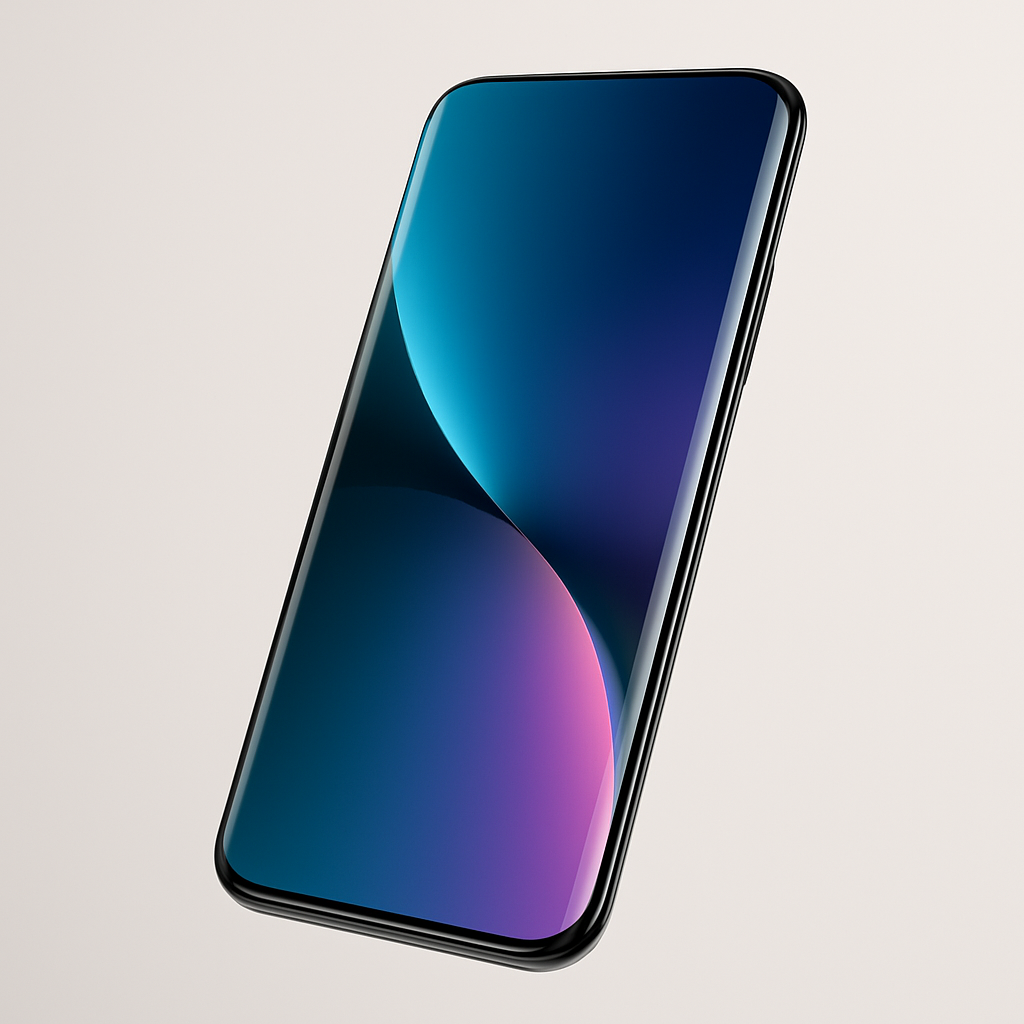
One of the most talked-about changes is the move to a fully glass body that curves on all four sides, hiding the frame under the glass when viewed straight on. Apple is reportedly partnering with Samsung to produce an “equal-depth quad-curved” display panel tailored for this effect. Meanwhile, the OLED display is expected to get thinner and brighter using Samsung’s COE (Color Filter on Encapsulation) technology, boosting light transmission while reducing power consumption.
Removing any visible front cutouts is also under consideration. Apple is testing under-display camera and Face ID modules, though it remains unclear if they’ll make it into the 2027 model. Another proposed shift: replacing physical buttons (side, volume, action, and camera control) with solid-state, haptic-feedback versions built directly into the frame.
Core Components: Chips, Cameras & Power
Apple seems poised to move away from Qualcomm modems in the U.S., developing its own modem designed for higher speed and enhanced AI integration. Another internal upgrade involves replacing the Sony image sensors traditionally used in iPhones with an Apple-designed stacked sensor using LOFIC technology. This could enable each pixel to store differing light levels and deliver up to 20 stops of dynamic range.
At the heart of the iPhone 20, the A21 chip is expected to build on the A20 debuting with the iPhone 18 lineup. It will employ second-gen 2-nanometer process technology. On battery design, Apple is testing silicon anode batteries that could improve energy density without increasing size. Finally, mobile high bandwidth memory—stacked DRAM designed for faster bandwidth—may play a big role in boosting AI tasks and on-device performance.
Other Specs & Sizes
The rumored sizes have also surfaced: two flagship iPhone 20 versions are said to mirror the upcoming iPhone 18 Pro models, with display sizes around 6.3-inch and 6.9-inch. That sticks with the pattern of having two premium form factors.
Still, many of these features are extremely ambitious, and Apple’s plans often change. In particular, under-display Face ID has teased users for years and could be delayed. Even so, if only half of these enhancements arrive, the iPhone 20 could represent the most dramatic leap in several generations.
What this means: the iPhone line is reaching a milestone where incremental improvements aren’t enough. Users expect not just faster chips, but radical rethinks of design, battery, and hardware. If Apple pulls off even a few of these changes—especially solid-state buttons, custom modems, or stacked image sensors—it could set a new benchmark for flagship phones across the industry. Keep an eye over the coming months for production leaks and component confirmations—they’ll tell whether this vision stays intact or gets scaled back.