Apple’s iPhone 18 Pro features a main camera lens that opens wider than past models, aiming to deliver a shallower optical depth of field for portraits and similar shots. Unlike the processed blur applied by Portrait mode—which uses LiDAR and software to separate subject from background—the new lens achieves blur purely through optics when set to its widest available f/1.48 aperture. All sample images here were shot this way, not using computational background blur.
Testing the Aperture Difference in Practice
The previous generation, the iPhone 17 Pro, had a maximum aperture of f/1.78 (essentially similar to an f/1.8 setting). The iPhone 18 Pro introduces a variable aperture that includes this f/1.8 setting but adds an even wider f/1.48. To see what this change makes visually, side-by-side photos were taken using manual controls: one photo at f/1.8, the other at f/1.48, keeping all other variables—subject distance, background, lens focal length—virtually identical. The only difference: the aperture.
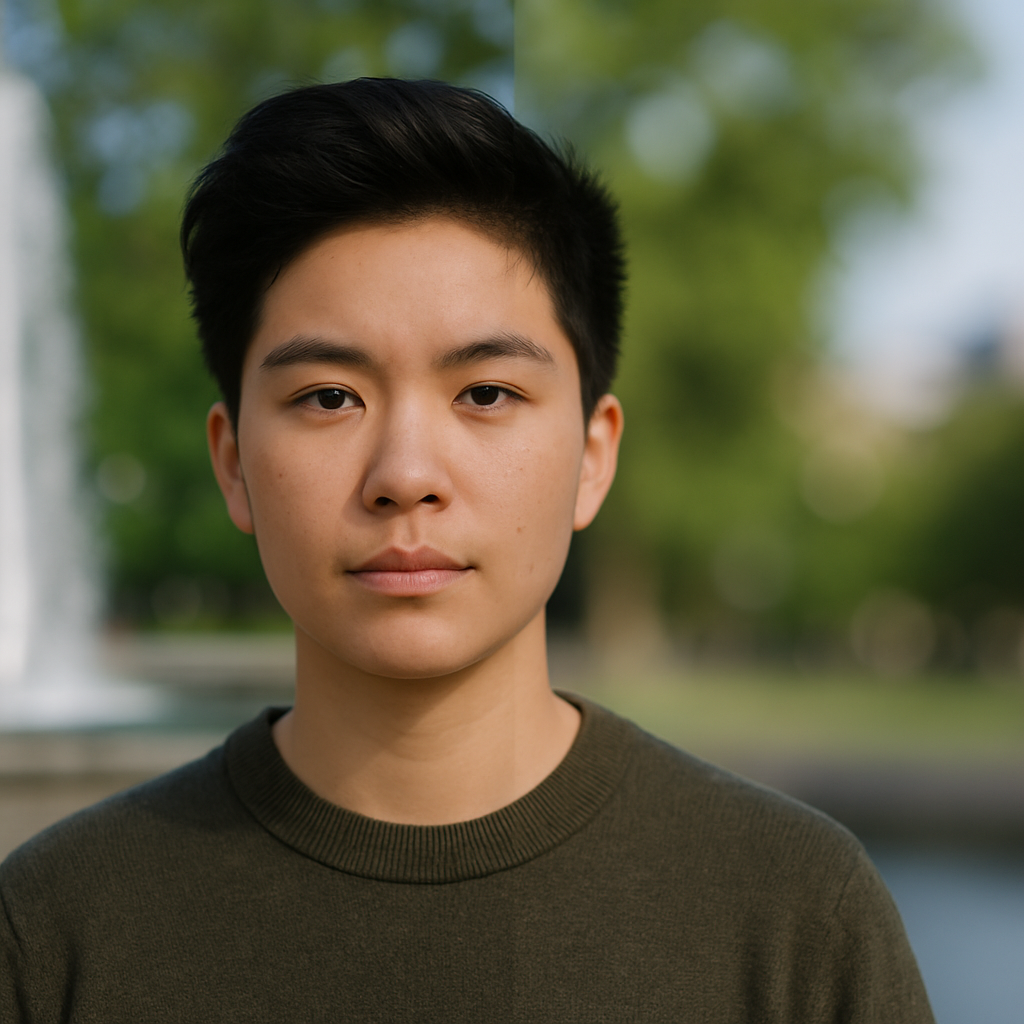
These aren’t full-body landscapes but close “head-and-shoulder” portraits. Such framing emphasizes any differences in background blur, especially when the subject is placed near the camera and the backdrop includes elements at varying distances. One setup included a background with items from just a few feet away to objects up to a quarter-mile off—fountain, trees, pagoda, then distant bridge and buildings—tested for how rapidly background detail falls off in focus.
What the Photos Reveal
In shots at f/1.48, the closest background elements—an 8–10 foot fountain—show noticeably more blur than in the f/1.78 shots. Objects about 30 feet back appear more softly separated at f/1.48, with contrast between subject and backdrop enhanced. Farther features—the pagoda around 70 feet, or bridge and buildings across the river—blurrier too, though the visual difference becomes subtler as distance increases. For most people casually viewing the image, the improvement in depth separation may be obvious up close; in wide scenes, less so without side-by-side comparison.
Comparing the two aperture settings, background elements at close and mid-range distances benefit the most. At f/1.78, some background subjects just brush the edge of clarity—faces, people or architectural details—while at f/1.48, those same elements fall cleanly into blur, pulling attention more strongly toward the subject. The difference is greater than expected, though still modest overall.
The new variable aperture on the iPhone 18 Pro doesn’t just serve portraiture. It also allows for manual control over depth of field in scenarios where you want selective focus or when subject-background separation matters. A follow-up evaluation is planned to explore how this wider aperture performs in lower light, motion, and other challenging conditions.
Overall, while the change from f/1.78 to f/1.48 may not revolutionize smartphone photography, it does offer meaningful improvements under the right conditions. For portraits, headshots, and scenes with layered depth, that stronger separation can enhance image quality in ways that matter.