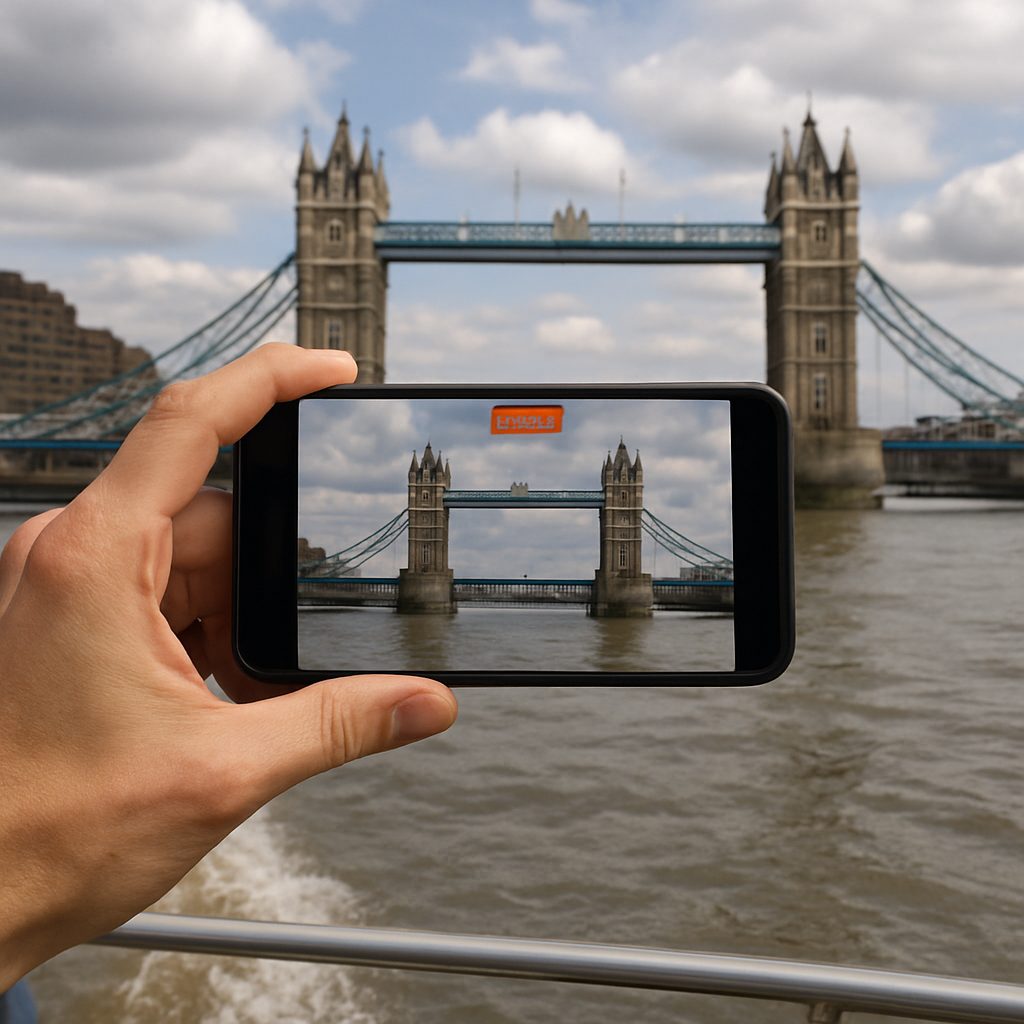
The iPhone 18 Pro’s video stabilization isn’t just good—it’s redefining what users expect from handheld filming. Having first noticed real promise in the iPhone 13 Pro, and then in the 17 Pro, this year’s “ultra-stabilized video” mode supplies a leap forward. A recent test during a boat ride on the Thames revealed that Apple’s software now outperforms even many hardware tools in keeping horizon lines solid and shots smooth.
On-the-Boat Test: Triumphant Stabilization
The test involved filming from a riverboat, with the scenery around undulating with every wave and tilt. Normally, capturing steady video on water demands either a tripod, gimbal, or specialized mount. But the iPhone 18 Pro managed to lock the horizon perfectly, keeping the background stable even while the boat’s motion rocked the camera. The outcome: footage that looks smoother than many gimbals can deliver, especially under such dynamic movement.
This makes a difference because most consumers don’t carry stabilization hardware at all times. Even when a makeshift solution—leaning the phone on a railing or bracing it against something solid—is used, it can’t match what ultra-stabilized video delivers. High-end gimbals and specially mounted gyro rigs still hold advantages, but this level of stabilization in a phone, without additional tools or accessories, is rare.
Why This Feature Matters Now
Smartphone video stabilization has been improving steadily, and Apple’s implementation over the last few iPhone generations has raised standards. When the iPhone 13 Pro first introduced major improvements, it was already exciting. With 17 Pro adding its own gains, the 18 Pro now brings most of those gains into everyday, always-available use. It turns a device you always carry into one you can trust for demanding shots.
The difference between smoothing out motion (as many stabilizers do) and keeping the horizon locked even when the platform itself is moving wildly is subtle, yet powerful. It brings a level of cinematographic polish to handheld video that typically required accessories or post-production. It also matters for casual users who won’t shoot professionally but want visually strong results without effort.
Now, with ultra-stabilized video in the stock Camera app—no add-ons or external gear necessary—day-to-day shooting is more reliable. A ride down the Thames, for example, becomes a testbed showing that what used to be a niche feature reserved for pros or those with elaborate setups is now accessible everywhere.
Seeing this in action begs the question: where is this heading? If phones can stabilize horizon lines this well in chaotic motion, what’s next for low-light, fast movement, or aerial filming? Apple setting this bar forces rivals to deliver—or surpass—the same reliability. And for users, it means less gear, fewer post-production headaches, and more shots that are camera-phone awesome out of the box. That’s what makes this one of the more quietly impressive advances in recent iPhone history.