The new iPhone 18 Pro brings a host of camera updates—variable aperture, manual Pro features, and editing tools—to the table. Photographer and videographer Tyler Stalman joined a recent podcast episode to share hands-on impressions, evaluating what the camera system really delivers and how it stacks up against Apple’s less expensive Duo model.
Major camera hardware & what it gains
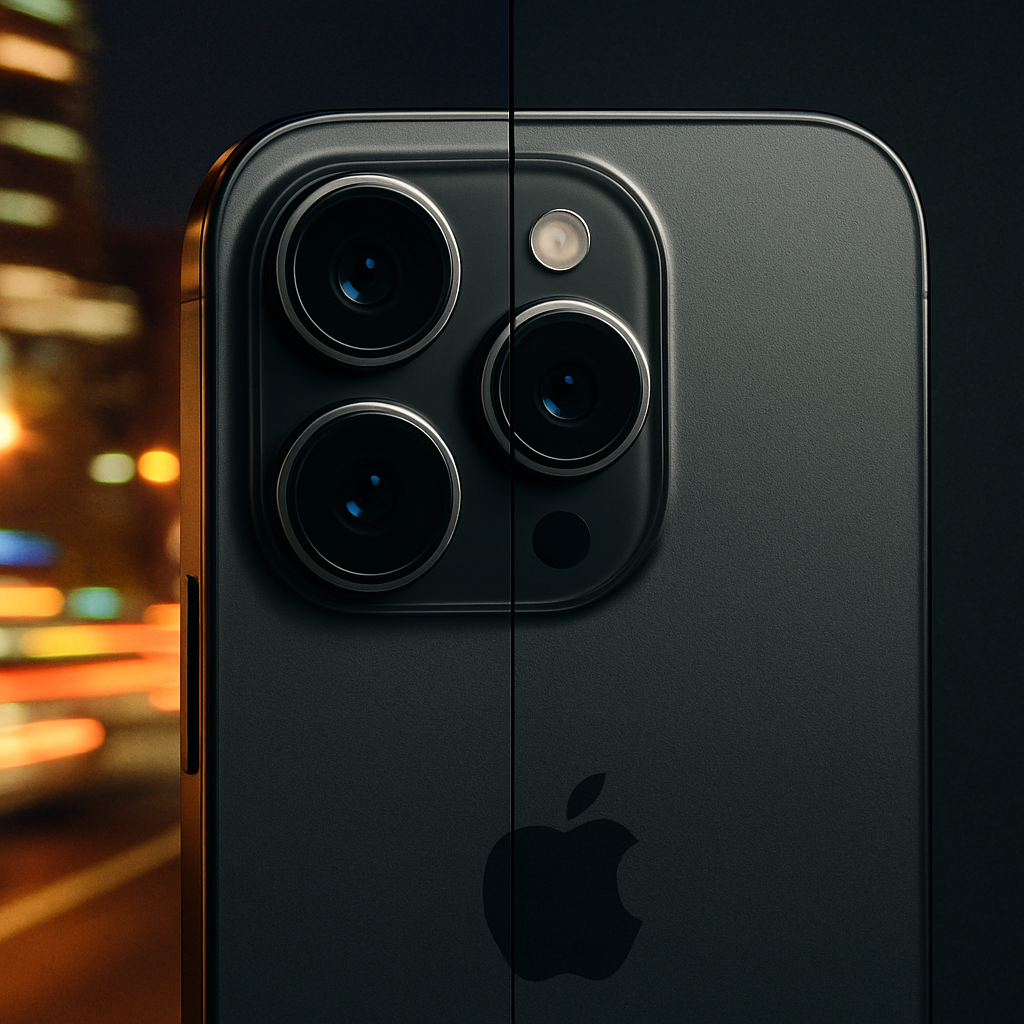
The Main camera on the iPhone 18 Pro features a brand-new 48-megapixel sensor paired with a fast variable-aperture lens that ranges across ƒ/1.48, ƒ/1.8, ƒ/2.8, and ƒ/4.0. Previous Pro iPhones—like the 17 Pro—only offered a fixed ƒ/1.78 lens. With the widest aperture setting now at ƒ/1.48, the camera can admit around 45% more light using aperture alone. Apple is promoting roughly a 50% improvement in low-light performance across the Main camera system—not just from the lens, but including the updated sensor and image processing.
That variable aperture allows more flexibility: in group shots at ƒ/2.8 or ƒ/4.0, subjects at different focal lengths stay sharper assuming adequate lighting. In bright scenes the narrower settings help video retain natural motion blur by permitting slower shutter speeds. When indoors or in dim light, the ƒ/1.48 opening gives more light for quicker Night mode captures, and may even reduce the need to use Night mode at all.
New controls, styles, and creative tools
Pro Controls is one big addition—users can manually adjust aperture, shutter speed, and white balance directly in the native Camera app. There’s even a live histogram in the viewfinder, plus favorites or pinned settings for faster access. For example, balancing cold greenery tones, freezing fast motion, or dialing in motion blur are now more achievable without external tools.
Photographic Styles have also been upgraded. The new version 3 introduces Fine-Skin, Glow, and Film textures. The Film style recreates analog photography elements—grain, glowing highlights, etc.—and all style layers can be adjusted after capture, while keeping skin tones natural. Reference Image is another key feature: it captures what the sensor sees in a secure digital negative, letting users compare the untouched sensor data against what the edited version looks like. New editing tools in iOS 27—like Reframe, Extend, and Clean Up—allow perspective correction, scene expansion, and larger object removal directly in Photos.
How Duo compares, and whose upgrade makes sense
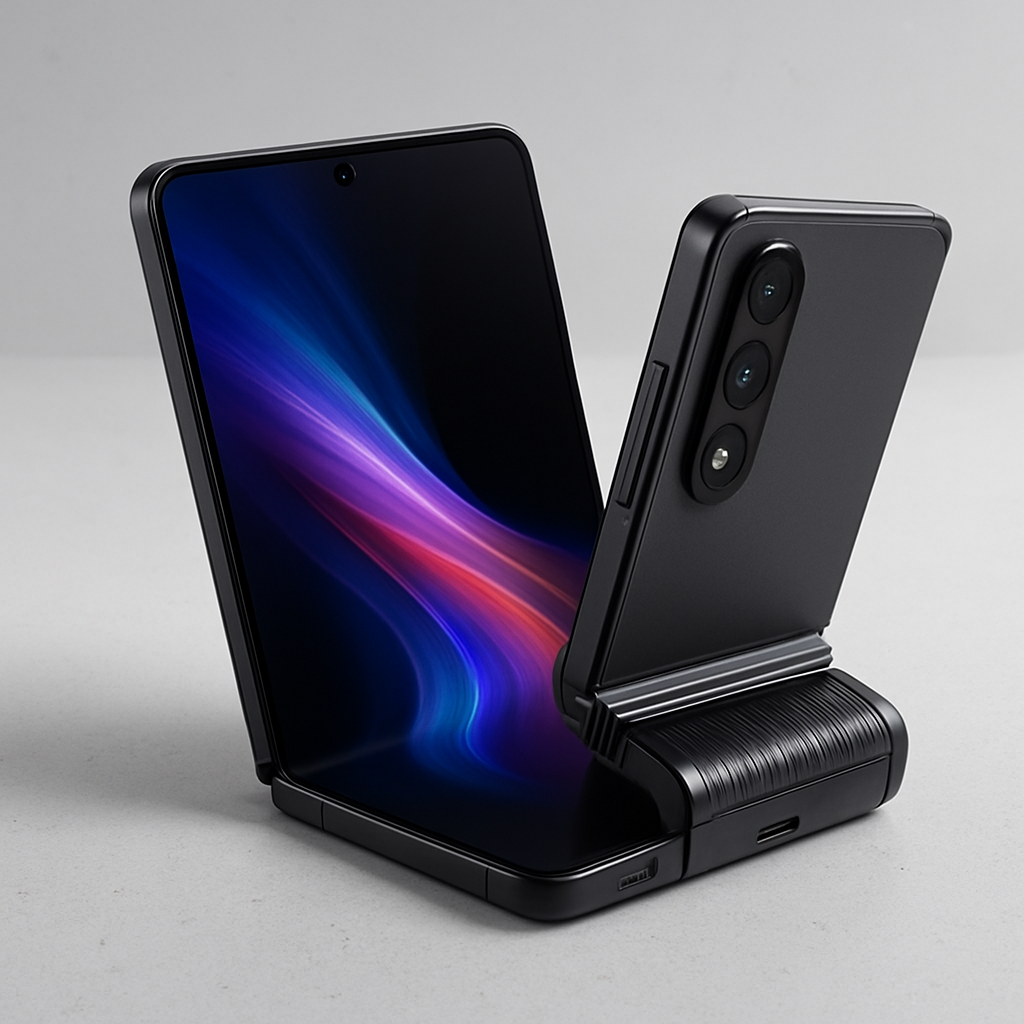
The foldable iPhone Duo also has a 48-megapixel Main camera, though its aperture is fixed at ƒ/1.6. Its Ultra Wide matches the 18 Pro’s Ultra Wide version. But Duo lacks many of the Pro’s more advanced camera features: no Telephoto lens, no variable aperture, no full suite of Pro Controls, and no Reference Image or formats such as ProRAW and ProRes. It does include sensor-shift optical stabilization, however, and some software quirks—like Smart Take, Kid Cue, and Duo Preview—tailored to its foldable form factor, such as outer screen previews and hands-free positioning.
That means photographers and videographers will get more flexibility and creative control out of the 18 Pro’s camera setup, while the Duo offers enough for casual users who prize its unique hinge design and outer display features. For those with current Pro models, the question is whether these new tools—and especially variable aperture—provide enough benefit to justify upgrading.
What lies ahead
Looking forward, Apple is reportedly developing a custom image sensor that could debut as soon as its 20th anniversary iPhone model. No further confirmed details yet, but this suggests the camera race remains a central focus for future iPhones.
For many users, the iPhone 18 Pro’s camera brings the biggest practical changes we’ve seen in recent years. New hardware and creative tools expand what’s possible with an iPhone photo or video. Whether it’s worth upgrading depends on how much you push the limits: if low-light, versatile aperture work, or raw photographic control matter, the 18 Pro seems built for you—but casual shooters will still do plenty with previous models.