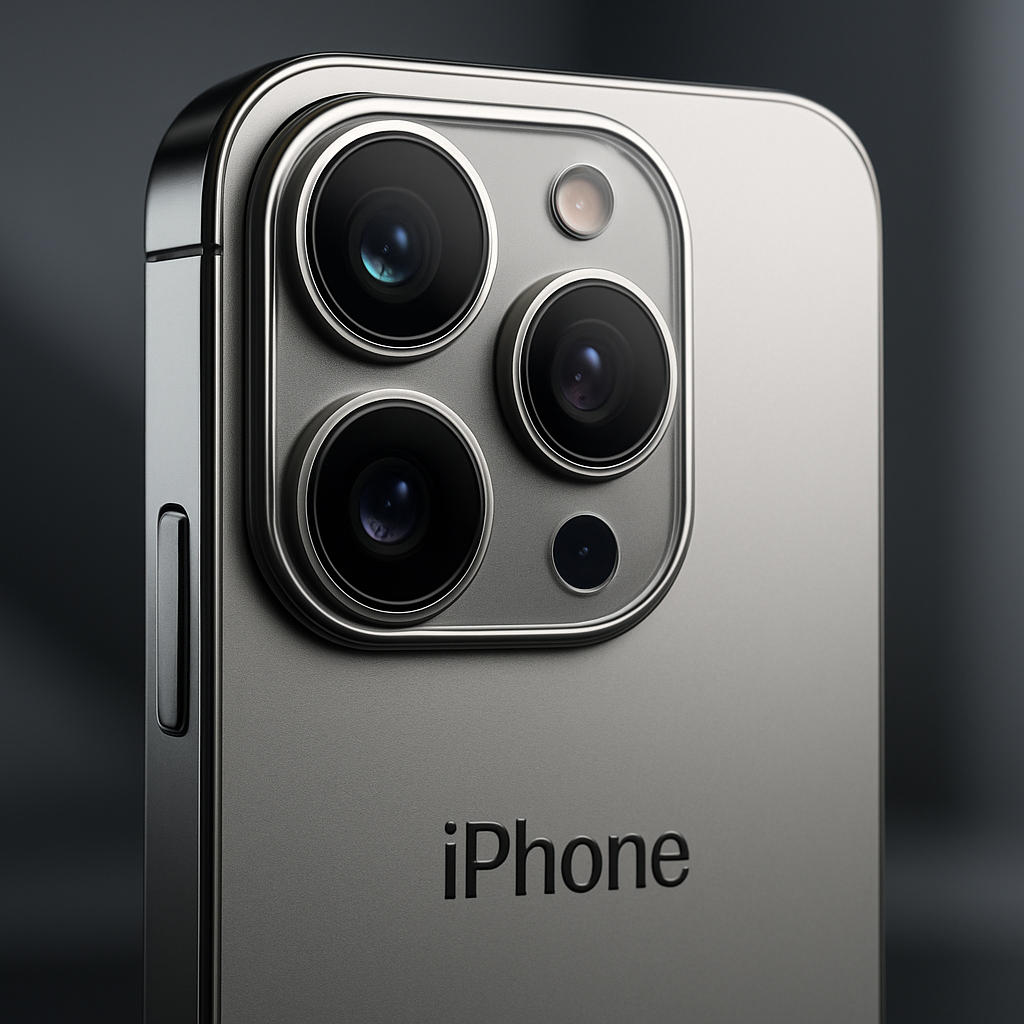
Recent leaks suggest that Apple’s upcoming iPhone 18 Pro will feature a significantly larger camera bump, indicating substantial enhancements to its camera system. This development aligns with Apple’s ongoing efforts to advance smartphone photography capabilities.
Historically, Apple has incrementally increased the size of its iPhone camera lenses to accommodate improved sensors and optics. The iPhone 18 Pro appears to continue this trend, with the camera plateau’s thickness, including the lenses, reportedly increasing from 12.92mm on the iPhone 17 Pro Max to 13.77mm on the iPhone 18 Pro Max. This change is primarily attributed to the introduction of a 48-megapixel ultra-large sensor with a variable aperture in the main camera, as indicated by recent leaks.
The incorporation of a variable aperture allows for dynamic adjustment of the lens opening, enabling better performance in varying lighting conditions and offering photographers more creative control over depth of field. Additionally, rumors suggest enhancements to the telephoto lens, potentially including a wider aperture, which would improve low-light performance and shutter speed.
These hardware upgrades are expected to be complemented by pro-focused software features, further enhancing the iPhone 18 Pro’s appeal to photography enthusiasts and professionals. Such developments underscore Apple’s commitment to maintaining a competitive edge in the smartphone camera market, where rivals have been rapidly advancing their own technologies.
While the larger camera bump may raise concerns about the device’s ergonomics and aesthetics, it reflects the physical requirements of integrating advanced camera components. As smartphone photography continues to evolve, users may find the trade-off between design and functionality increasingly acceptable, especially if it results in superior image quality and versatility.
In summary, the iPhone 18 Pro’s anticipated camera enhancements signal a significant leap in Apple’s mobile photography capabilities. As the official release approaches, it will be interesting to see how these changes influence user experience and how they compare to advancements from competitors in the market.