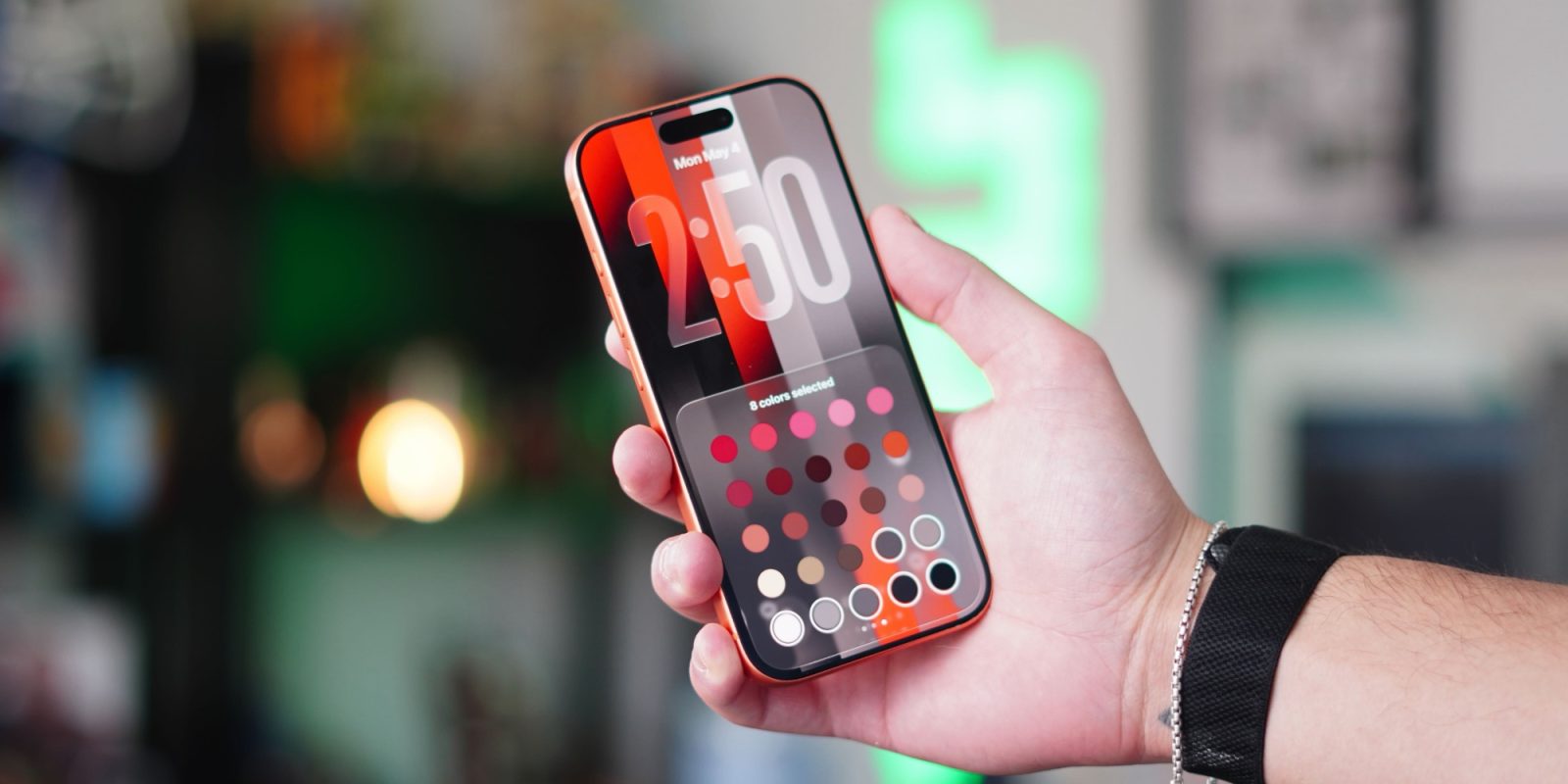
Apple’s latest iPhone 18 Pro showcases several hardware upgrades, but a full teardown by iFixit has exposed potential repair challenges, especially around its camera and display assemblies.
What’s new inside the iPhone 18 Pro
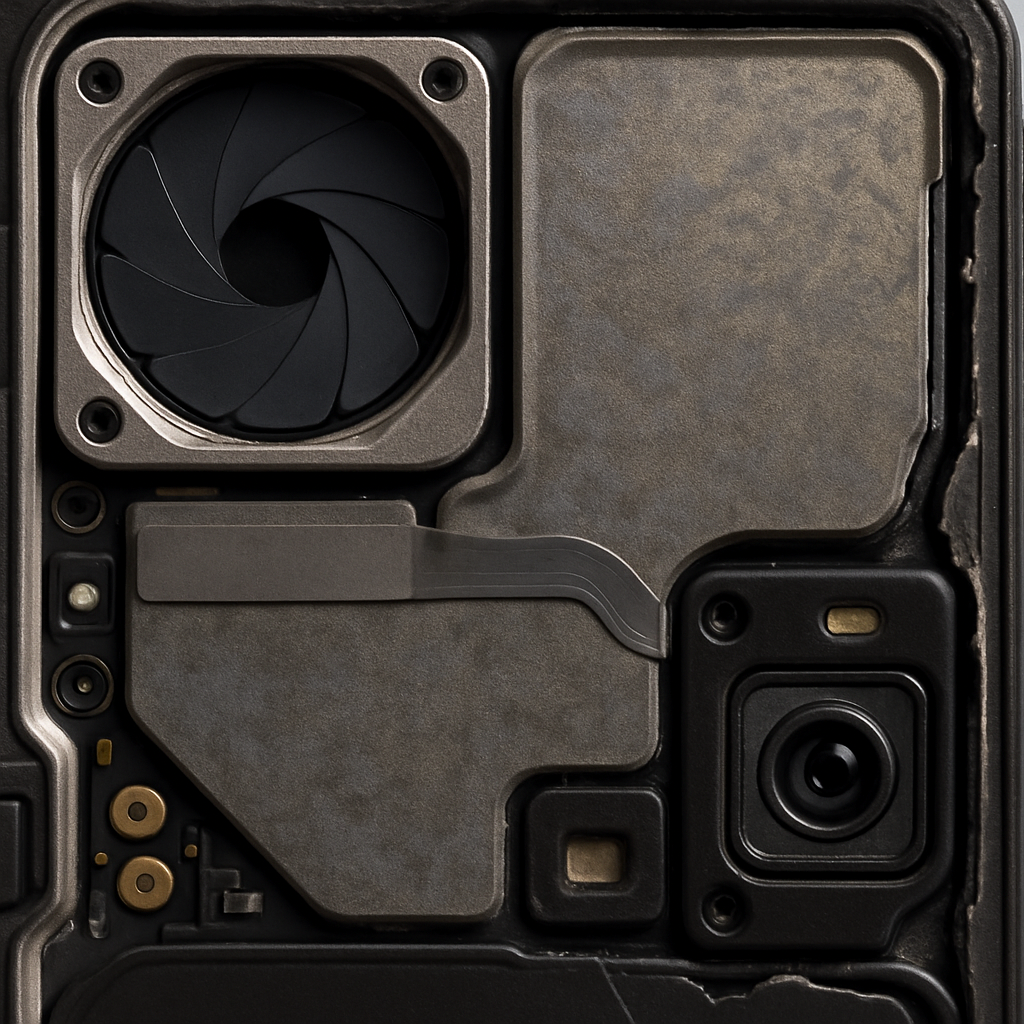
The iPhone 18 Pro introduces a variable aperture system—six blades controlled by electromagnets that adjust to light levels. Though it’s a standout feature for imaging, the mechanism shares its actuation style with Apple’s optical image stabilization but works independently. During dismantling, one of the aperture’s blades even flew off, underlining how tricky component-level service could become. If the aperture gets stuck or damaged, replacing the entire main camera module may be the only fix.
Another major change comes with Face ID’s infrared camera being moved beneath the display. Apple has kept the front-facing selfie camera and dot projector in the Dynamic Island, but the IR camera is now hidden under the OLED panel. To accommodate this, every other row of display pixels above the IR sensor is removed—an effect that appears more subtly toward the edges. Below the OLED layer sits an infrared-pass filter to block visible light. However, this filter stops short of reaching the very edges, resulting in what iFixit describes as an “eclipse effect” under certain viewing conditions.
Also redesigned is the thermal system. The Pro model’s vapor chamber now spans much more of the phone’s body, with Apple positioning the memory package beside the silicon die to remove thermal bottlenecks. This setup pushes heat more efficiently away from the chip and toward the vapor chamber—claiming roughly three times the surface area compared to the iPhone 17 Pro’s cooling solution.
Repairability concerns uncovered
While the phone retains several repair-friendly elements—like the glue-free battery tray and camera modules that remain somewhat modular—most significant repairs still require going through the display. That’s not ideal for tasks like replacing the USB-C port, which now involves removing extensive internal components to reach it.
One of the most alarming findings: inconsistent damage to the plastic frame surrounding the display. In three out of four units torn down, this frame was cracked. Although this plastic support has been used since the iPhone 15 Pro, it’s unclear if the issue with the iPhone 18 Pro is an isolated occurrence or something more systemic. Cracks in this frame risk misaligned display reassembly and potential loss of water resistance.
Adding to that, the new cooling components might draw heat away from the display area during repairs. This could affect how adhesive softens when the screen is removed, possibly leading to more damage than expected.
In terms of repairability scoring, iFixit has assigned both the iPhone 18 Pro and Pro Max a preliminary 7 out of 10. That rating is provisional, pending access to spare parts, broader teardown samples, and more comprehensive tests.
Despite the iPhone 18 Pro’s strong upgrades—from variable aperture and under-display Face ID tech to a vastly improved thermal design—repairability issues around the display frame and internal accessibility raise new concerns for longevity and serviceability. What to watch: how Apple addresses these cracks in future production runs, whether repair guides evolve to reflect these risks, and if third-party repair shops will be able to source safe component replacements.