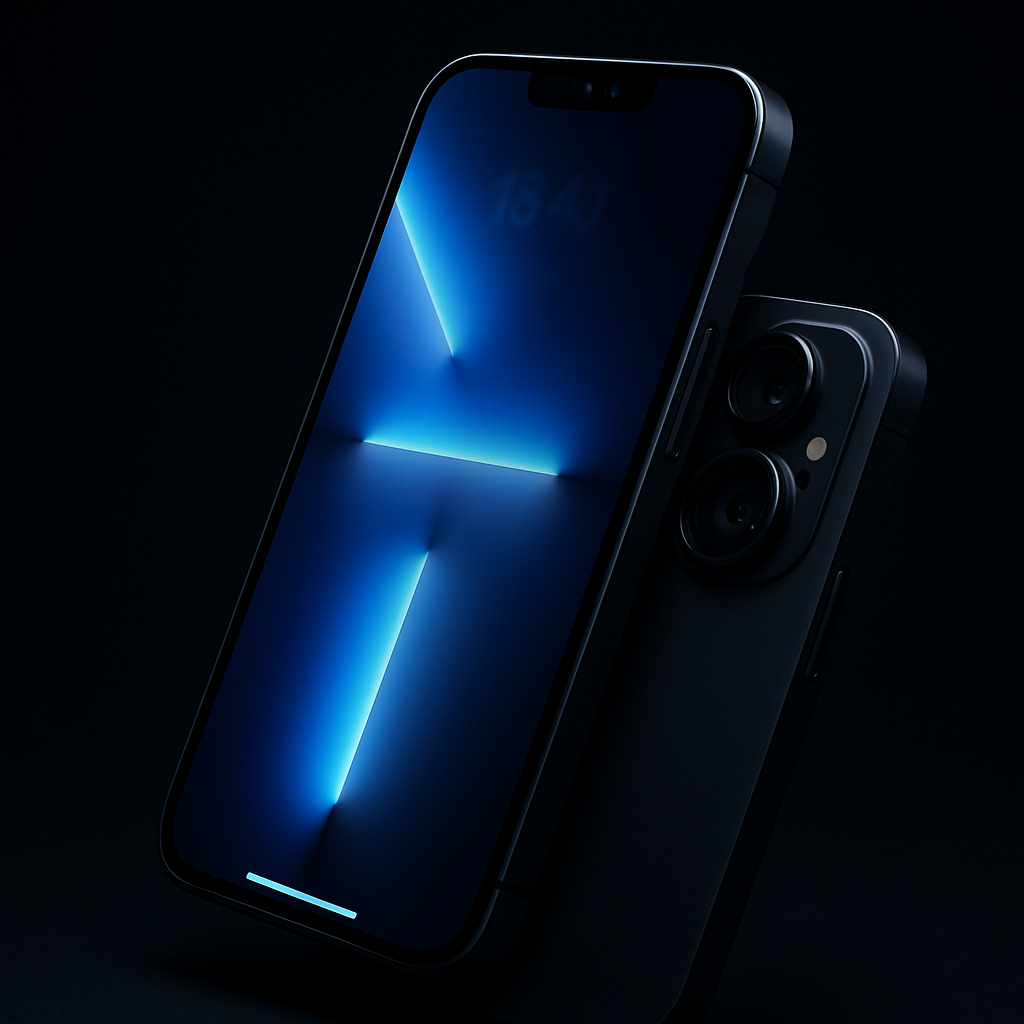
The new iPhone 18 Pro brings far more than subtle tweaks: with Apple’s latest hardware and software changes, it delivers a significant upgrade in camera tech, performance, battery, and charging. Though the design remains largely familiar, what’s inside marks a strong leap forward.
What’s New Under the Hood
The iPhone 18 Pro runs on the A20 Pro chip built using a 2nm process, boosting power and efficiency notably over prior models. It uses a vapor-cooled chamber with greater surface area—a next-gen thermal system that keeps sustained performance high, especially under demanding loads. Benchmark tests show over 24% improvement in single-core scores and almost 27% in multi-core when compared to the iPhone 17 Pro. Graphics also saw a major jump, with Metal scores rising sharply thanks to enhancements in GPU and Neural Accelerator hardware.
Display and materials remain consistent with what users saw in the 17 Pro: sizes are unchanged—6.3-inch for this base model, 6.9-inch for the Max. Display tech features stay top-tier as well: an always-on Super Retina XDR panel, adjustable refresh rates up to 120Hz, and peak outdoor brightness reaching 3,000 nits. One visual change is shifting the Face ID infrared camera under the display to the top-left corner, allowing Apple to shrink the Dynamic Island and display up to three live activities at once.
Camera, Imaging & Photo Features
The biggest highlight is the new variable aperture main lens. Six thin blades now enable the lens to shift between f/1.48 (for low light and bokeh) and up to f/4.0 (for sharper depth of field in group shots), reducing reliance on Night Mode. In real-world settings—indoors with motion or after sunset—you’ll see less blur and better detail, especially when cropping in.
Software features have also stepped up. Photographic Styles 3 adds texture controls—such as soft skin, glow, and film with grain—allowing for greater creative flexibility. Pro Controls now give users integrated access to manual settings like aperture, shutter speed, focus, and white balance; there’s even focus peaking and option to manually select which lens (wide, ultra-wide, or telephoto) to use when zooming. Video features gain too: cinematic mode now supports applying blur after filming; timelapse shoots can be captured in 4K with Dolby Vision HDR and include stabilization. A new “Reference Image” mode cryptographically ties shots to the device for proof of authenticity—important in a world of AI-altered media.
Charging, Battery & Daily Use
Charging receives a notable bump: wired power input increases from 40W to 60W, while MagSafe and Qi2 wireless charging support up to 25W. Apple’s **Adjustable Voltage Supply (AVS)** enables more fine-grained voltage shifts during charging to match needs, helping reach 50% charge in around 15 minutes with compatible gear. Battery life has also improved—video playback endurance increases from 33 to 36 hours in advertised ratings.
On the topic of Apple Intelligence and Siri, enhancements are subtle but meaningful. The device now offers faster object recognition, better on-device processing, and deeper indexing across messages, files, and media. Tasks like scene diagnosis or composing generative emoji happen more swiftly. Siri’s processing remains split between on-device capabilities and Apple’s private cloud compute when needed.
Should You Upgrade?
For 2026, Apple’s “S-year” change is clear: same look, but much more inside. If you’re using an iPhone 17 Pro and care deeply about camera performance, manual photo control, battery, or you want the latest AI enhancements, the 18 Pro delivers. But for many users, especially those who take casual pictures or don’t push performance limits, upgrades may not feel as dramatic.
The review concludes with few gripes: missing vibrant color options like Cosmic Orange, the absence of Pro Controls in the Camera Control quick-launch tool, and the smaller Dynamic Island offering marginal benefit. Overall, it’s rated 4.5 out of 5—a very strong showing.
What this means going forward: the iPhone 18 Pro shows Apple is doubling down on photography, computational imaging, and AI feature polish. The variable aperture and expanded manual controls bring it closer to mirrorless territory—something that camera-power users will appreciate. Going into next year, watch how quickly these tools make their way into everyday consumer devices and whether the dual-16-core Neural Engines and more powerful ISP begin enabling even more advanced imaging applications.