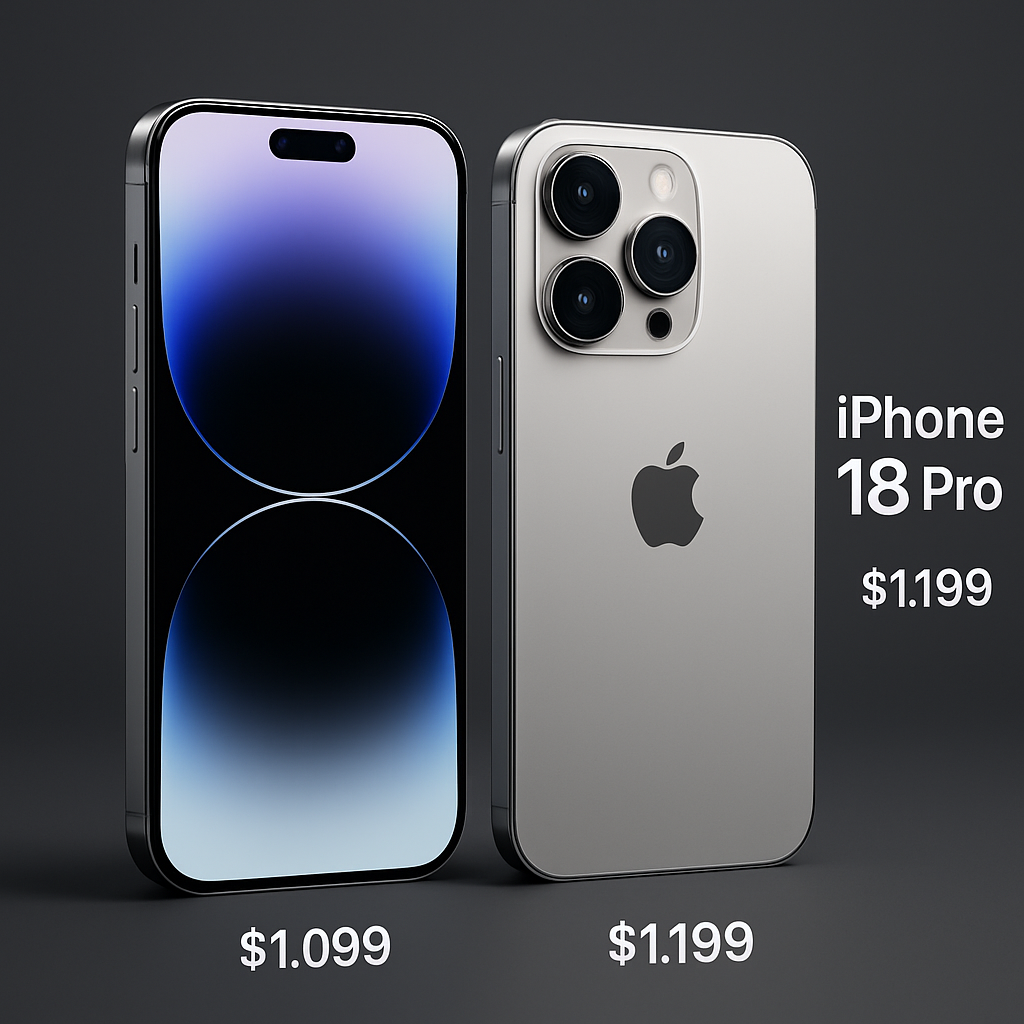
Apple’s iPhone 18 Pro is expected to launch next month, and fresh reporting suggests the entry price may increase by about $100 — a bump that’s substantial yet far less steep than some analysts anticipated. The adjustment appears driven by cost pressures, though the company might be absorbing a chunk of those increased expenses.
What’s Causing the Price Shift
Analysts have flagged rising costs for components like memory, storage, and camera systems as fuel for possible price hikes. Earlier forecasts placed the base price for the Pro model at $1,299 or even $1,399, largely predicated on those increased parts costs.
However, a recent report indicates that a more modest increase—around $100—may be more likely. If Apple goes this route, the entry-level iPhone 18 Pro could start at $1,199, reflecting a 9% rise over the current $1,099 base price—one that aligns with recent pricing moves from rivals such as Samsung and Google.
Higher Tiers Could Still See Larger Price Jumps
While the base model might only climb $100, higher storage variants — those with 512 GB, 1 TB, or more — could face steeper increases, possibly ranging from $150 to $200. The goal here seems to be balancing cost recovery with minimizing the shock to consumers.
Apple is reportedly aware of how Samsung and Google have handled similar cost pressures. The proposed $100 increase for the entry model would keep Apple’s pricing competitive with those brands. That said, Apple has also signaled concerns about its gross margins — suggesting it may not pass all higher component costs on to buyers.
Why This Matters
A $100 price hike for the iPhone 18 Pro base SKU—bringing it to $1,199—will still place it within the higher-end flagship range, but much less dramatically than the steep prices earlier leaks suggested. It’s an approach that manages expectations for both Wall Street and consumers.
The September announcement is likely imminent, and this pricing story will be one of the key focal points as launch details firm up. Higher costs for storage and premium features may still push up prices on upper-tier models, keeping the high-end iPhone segment premium and profitable.
Overall, Apple appears to be trying to walk a line—raising prices enough to reflect new costs, but avoiding the kind of jump that would prompt widespread backlash. How aggressive the increases on storage tiers turn out to be could shape the competitive landscape heading into the new iPhone season.