Apple’s latest iPhone 18 Pro Max pushes its camera system further than ever, but the advances are surprisingly subtle. While it brings some refinements and new tools, most users will notice only modest gains compared to the iPhone 17 Pro Max. For photogs paying close attention, though, the changes matter.
What’s new: variable aperture and refined visuals
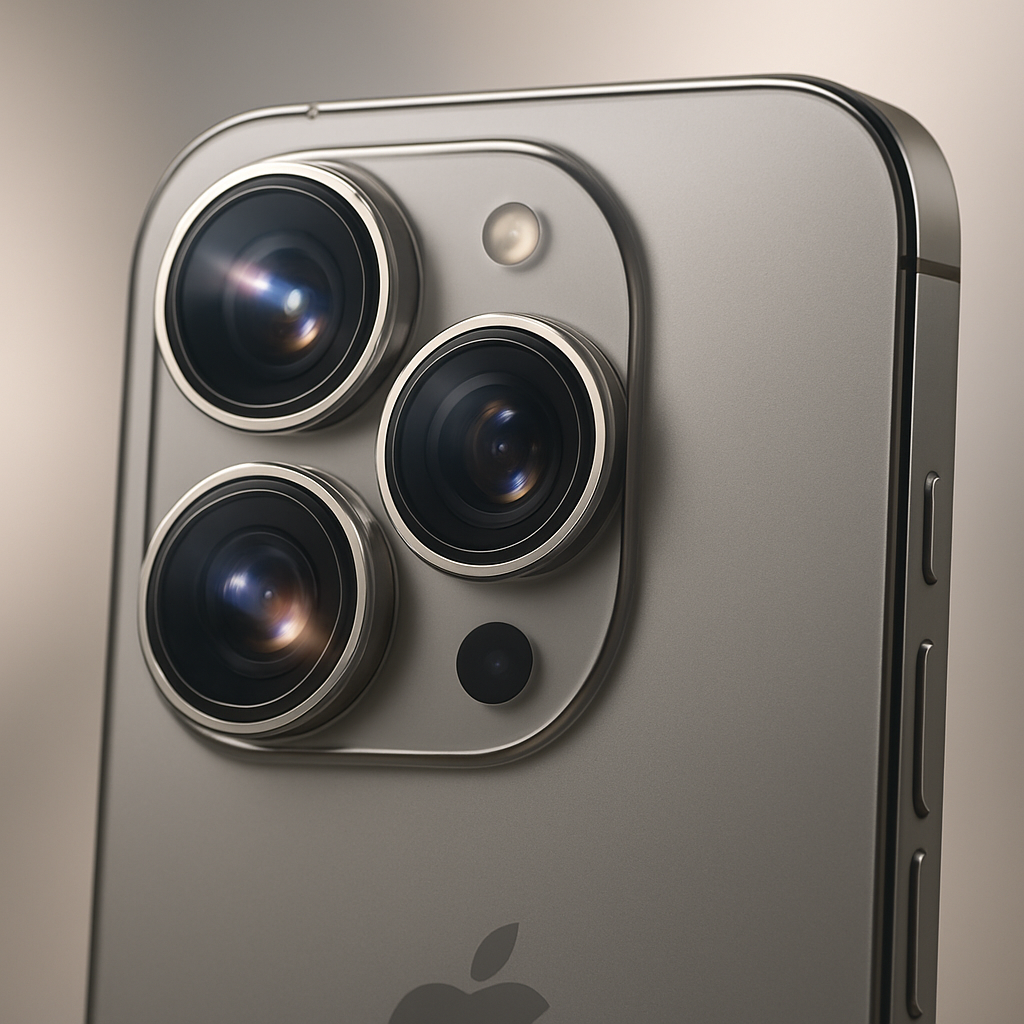
The spotlight feature is the variable aperture in the “Main Fusion” lens. With the widest setting at f/1.48, this helps pull in more light—useful in darker scenes. But this wide-open mode can soften detail, so you’ll usually be better off sticking with f/1.8. For bright or tricky light, users can shift to f/2.8 or close down to f/4.0 to keep things sharp and manage highlights—especially when small bright points are involved, like streetlights or bright reflections. The new iris also allows starburst effects around pinpoint light sources when not used wide-open.
Meanwhile, Apple’s image processing gets a tweak: updates to white balance behavior, improved Photographic Styles, and subtle changes to how color and tone are rendered stand out. On the 18 Pro Max, the auto-white balance sometimes leans to correction—and keen eyes may prefer manual control, which is now available. Photographic Styles 3 introduce new texture and grain tools, refining both style and consistency under complex lighting.
How it compares: what you lose and gain, especially vs. iPhone Duo
Outside of these upgrades, many features match what’s coming to the iPhone Duo (Apple’s foldable due in late October). Photographic Styles, updated pipelines, and the same new processing approach are shared, but variables like optical telephoto zoom and the variable aperture are Pro-exclusive. Duo lacks manual white balance, shutter speed adjustment, and access to histogram and broader pro tools found on 18 Pro models.
Using the 18 Pro Max feels more like picking your spots with precision gear. Something like a full-frame camera with physical dials, like Apple’s own dream setup, still remains in a different realm—both in feel and sheer capability. Cases like water motion, or very low light, are where hardware differences really surface. But in everyday daylight or group shots, the differences between 17 Pro Max and 18 Pro Max can be hard to spot unless you’re scrutinizing.
For many users, using the automatic settings with Photographic Styles will cover 95% of scenarios. Manual tweaks or pro settings come in handy for edge cases or creative experiments—but they’re not going to change most snapshots. The variable aperture shines only in low-light or when you’re after detailed effects, whereas standard aperture settings already do a solid job.
Bottom line: the iPhone 18 Pro Max system is Apple’s most capable camera pack yet. It stacks up refinements in tone, color, and control that push the envelope—but marginally. Unless you care deeply about getting every optical advantage, the standard camera experience has already been excellent.
What this means is simple: if you’re deciding between upgrading or picking up the foldable iPhone Duo instead, don’t expect a radical camera leap. For pros or photo obsessives, the 18 Pro Max brings meaningful incremental gains. For everybody else, it’s more of the same—only better where it counts.