Photographer Austin Mann has published a detailed examination of the iPhone 18 Pro camera, exploring its new hardware and software additions. His hands-on review highlights features like the variable aperture lens, Manual Focus control, film-inspired Photographic Styles, and improvements to time-lapse and focus tracking. Here’s what’s new — and what it means for users who care about photography.
Variable Aperture and Self-Adjusting Optics
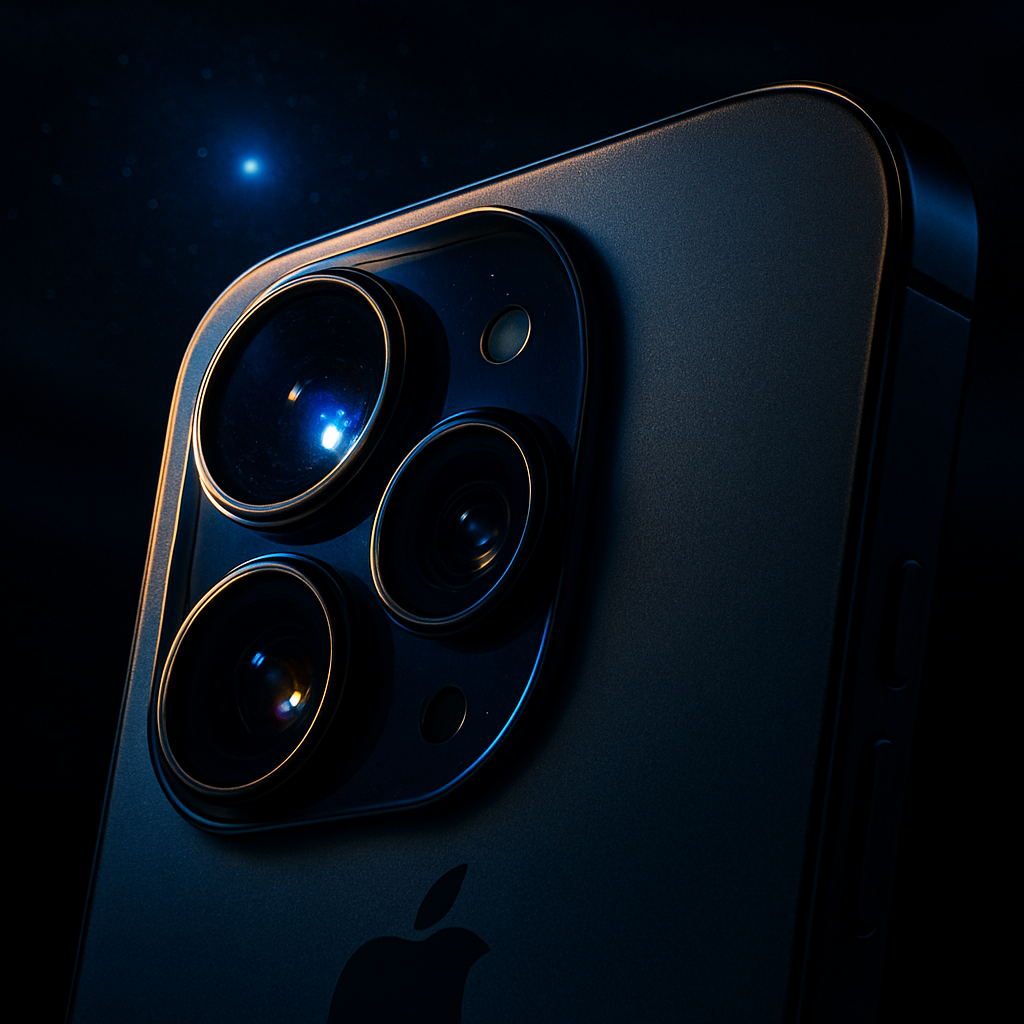
Austin Mann found the iPhone 18 Pro’s variable aperture system particularly impressive. In low-light indoor settings, the lens automatically opens wide (down to f/1.48) to capture more light, whereas in bright outdoor scenes it closes down to produce sharper depth and focus. Mann recommends keeping aperture set to Auto — the camera’s algorithm typically makes optimal decisions, often outperforming manual choices. His nighttime sky photos showcase how the wider aperture improves clarity and dynamic range under challenging conditions.
New Pro Controls & Manual Focus
One of the most requested updates from photographers — separate control over focus and exposure — has finally arrived. The iPhone 18 Pro models now include a dedicated Manual Focus mode, complete with focus peaking to help users see what’s sharp. Once focus is set manually, the user can then tap to determine exposure position, powerful for creative control.
Photographic Styles 3: Film-Look Playbook
Photographic Styles 3 delivers tools aimed at producing a filmic aesthetic. Mann offers specific tips for achieving this look: shoot with an exposure bias of around −1.0, use the widest aperture, opt for manual focus to slightly soften the image, and shoot in HEIF to unlock style processing. In post-capture, adjusting the HDR tone mapping via the “D-Pad” helps by compressing shadows and boosting highlights. He cautions that film effects can overdo halation, so toning them down is sometimes necessary.
Other New Tools
Beyond lens and stylistic changes, Mann also covers several other features in his full review. These include enhanced Focus Tracking, a new Apple Reference Image system, and updated 4K time-lapse mode, among others. These improvements round out what’s more than just a spec bump — they offer practical gains for both enthusiasts and pros.
The details Mann shares suggest that while Apple’s updates aren’t revolutionary in every area, they cumulatively raise the bar for mobile photography. For those who rely on their iPhones to shoot seriously—be it in low light, creative style, or fast action—the iPhone 18 Pro delivers tools that are both subtle and meaningful.
Why this matters: mobile cameras are increasingly the go-to for creators who once relied on DSLRs. Apple’s approach here — combining intelligent automation like Auto aperture with manual overrides and stylistic control — reflects the trends toward more customizability without overwhelming the average user. Moving forward, all eyes will be on how these enhancements perform in the wild: consistency across lighting, speed of new Pro controls, and whether film styles become a mainstream way of shooting, not just a special effect. If Apple nails those, the iPhone 18 Pro could set the standard for what a flagship camera phone should be.