Apple’s upcoming iPhone 18 lineup is generating significant buzz, with notable changes in release schedules, pricing, and features. Traditionally, Apple unveils new iPhone models each September. However, for the iPhone 18 series, the company is adopting a staggered release strategy. The premium models—iPhone 18 Pro, iPhone 18 Pro Max, and the foldable iPhone Ultra—are expected to be announced in September 2026. In contrast, the standard iPhone 18 and the more affordable iPhone 18e are anticipated to debut in spring 2027. This shift marks a departure from Apple’s usual simultaneous launch approach.
Pricing for the iPhone 18 series is also set to see significant increases. Analysts predict that the iPhone 18 Pro could start at $1,300, while the Pro Max may be priced at $1,400, representing a $200 hike from their predecessors. The foldable iPhone Ultra is expected to be Apple’s most expensive smartphone to date, with an estimated price tag between $2,400 and $2,500. These increases are attributed to rising component costs, particularly in memory and storage, driven by heightened demand from AI applications.
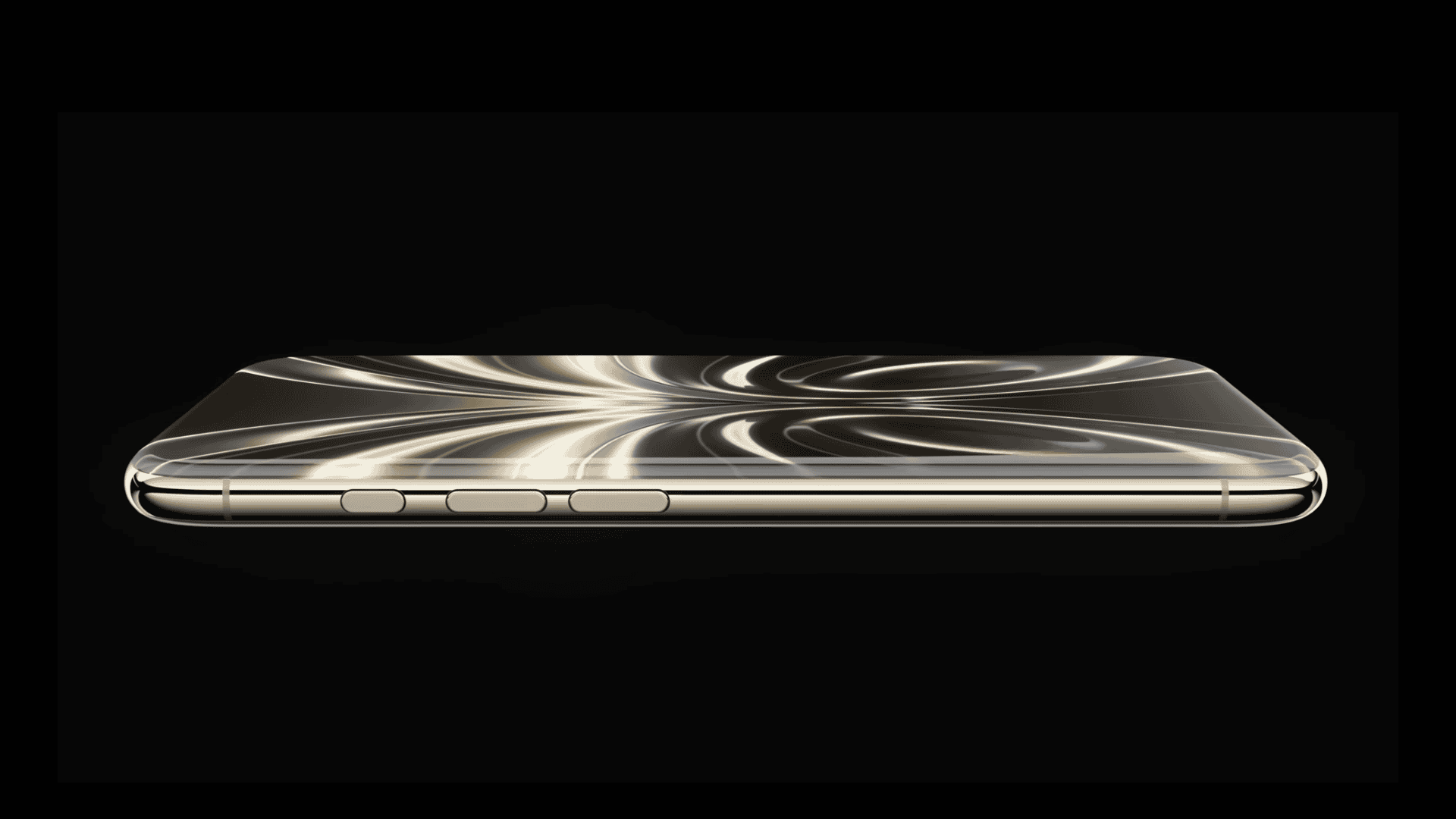
In terms of design and features, the iPhone 18 Pro models are rumored to undergo several changes. Leaked case models suggest a slightly thicker body, a reduced Dynamic Island due to under-display Face ID technology, and a larger camera bump to accommodate a variable aperture lens. New color options may include lighter blue, dark cherry red, and dark gray. The iPhone Ultra, Apple’s first foldable phone, is speculated to feature a 5.5-inch cover screen, a 7.8-inch main display, the A20 chip, 12GB of RAM, and dual 48MP cameras. Notably, it might incorporate a Touch ID button instead of Face ID.
These developments indicate a strategic shift by Apple to differentiate its product offerings and cater to varying consumer preferences. The staggered release schedule allows the company to focus on premium models initially, potentially maximizing revenue from early adopters willing to pay a premium for the latest technology. However, the substantial price increases could test consumer loyalty and spending limits. As the smartphone market becomes increasingly competitive, Apple’s ability to balance innovation, pricing, and consumer demand will be crucial in maintaining its market position.