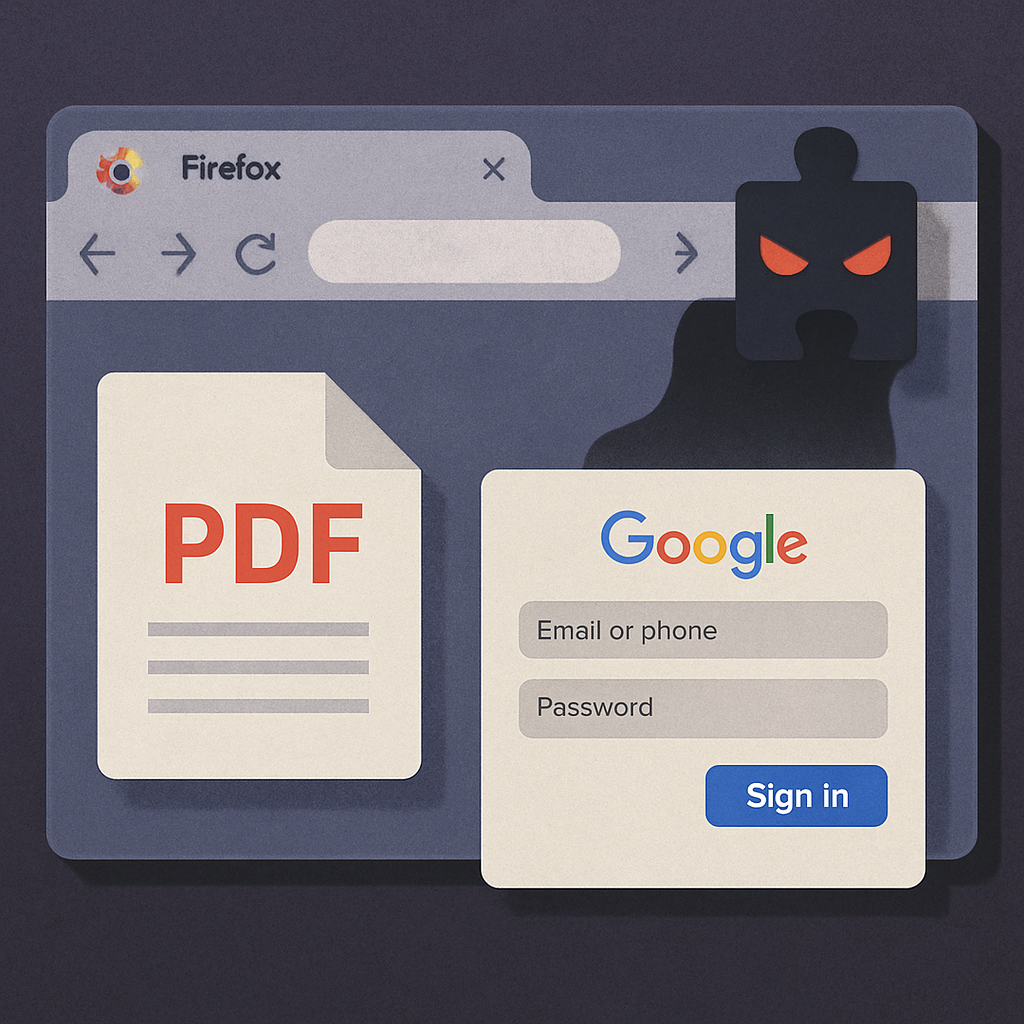
More than one-fifth of advertiser account suspensions in 2026 across platforms monitored by ADEX stem from malicious iOS-specific scripts, reveals the “State of Ad Fraud 2026: ADEX Trust & Safety Report.” This marks the first year the anti-fraud platform has singled out device-targeted attacks, placing iPhone-tailored exploits among the top suspension triggers alongside cloaking.
Stealth in the Workflow: How Coruna Exploit Kit Operates
Unlike older approaches that relied on shady mobile apps, today’s scheme embeds corrupt behavior within legit ad campaigns. Attackers buy credible ad placements and funnel traffic to landing pages that quietly examine a visitor’s iOS version and device chip before deciding what to show. Human reviewers or benign browsers see one page; vulnerable iPhones are delivered a hidden exploit chain.
Central to this method is the Coruna exploit kit. Its pipeline detects iOS versions and hardware, choosing exploit payloads that perfectly fit devices from iOS 13.0 up to 17.2.1—leaving those on outdated firmware exposed despite patches from iOS 17.x onward. The payload script often masquerades as a harmless minified .js file, just like those common in everyday web operations.
The final target? Digital wallets and financial apps. The implant scans for cryptocurrency recovery seed phrases, a tactic long seen in DarkSword and earlier Coruna attacks.
A Pattern Revealed Across Accounts
ADEX investigated roughly 50 advertiser accounts that shared nearly identical backend mechanics—scripts for device fingerprinting, redirect flows, and bot/crawler filters—yet presented very different creatives and landing pages. Alone, each account may have seemed innocuous; together, the shared infrastructure exposed a coordinated exploit network.
This analysis allowed ADEX’s moderation systems to flag future operations even when the outward creative shifted. The tech more often seen as an enforcement tool—backend pattern recognition—proved more reliable than examining visuals alone.
Shifting Trends: Cloaking Declines, New Threat Categories Emerge
The report shows cloaking—the practice of hiding malicious content from reviewers—dropping as a proportion of suspensions: around 45% in Q3 2026, down from roughly 75% in 2025. Meanwhile, phishing efforts via messaging apps like WhatsApp and Telegram have been elevated to their own risk category.
ADEX warns that although roughly 20% of suspensions are officially listed under malicious iOS scripts, many campaigns also use cloaking. Thus the prevalence of device targeting is likely higher than the statistics suggest. For teams responsible for traffic quality, the recommendation is clear: trace delivery infrastructure over creatives alone. Shared scripts, servers, redirect chains—they’re harder for attackers to change quickly, and expose the hidden plumbing of coordinated fraud.
At its core, the fight against ad fraud is increasingly about detecting patterns beneath the surface—consistency in infrastructure, logic, and redirects—not just flashy banners or viral ads. With threats like Coruna exploiting neglected firmware and misused ad inventory, industry vigilance must shift from what is visible to how it works.