Apple is developing a new feature called ‘Apple Reference Image’ aimed at verifying the authenticity of photos taken with an iPhone. This functionality was discovered in the privacy disclosures of the fifth beta of iOS 27, though it has not been activated yet.
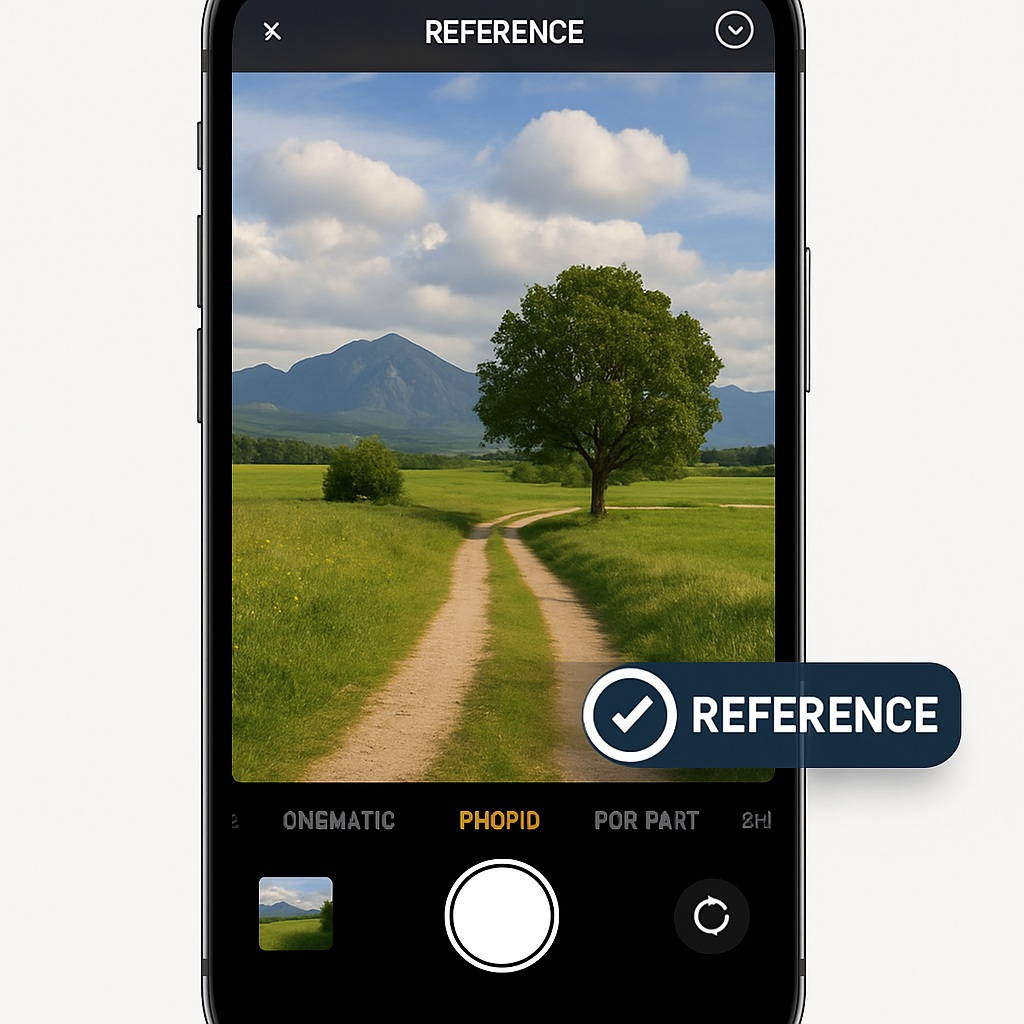
The feature introduces a ‘Reference’ mode within the Camera app. When users select this mode, the camera embeds provenance data directly into the image’s metadata. This allows for the verification that the photo was indeed captured using an iPhone.
To authenticate an image, users can tap the Reference badge associated with the photo. This action sends specific data—including the raw image, sensor signatures, capture timestamp, and unique hardware identifiers of the sensor—to Apple’s Private Cloud Compute (PCC) servers. The PCC then processes this information to confirm the image’s origin, assigns it a unique identifier, and returns the authenticated version to the user’s device.
Importantly, during this authentication process, Apple receives only the sensor data, a hash, and the assessment results, but not the raw photo itself. This design ensures user privacy while maintaining the integrity of the authentication process. Additionally, Apple retains the capability to decline authentication for images from sensors that may be compromised and can retroactively revoke previous authentications if necessary.
Authenticated images can be viewed on iPhones, iPads, or Macs, with the Reference badge accessible on Macs as well. Notably, only photos taken using the specific Reference mode can undergo this authentication process, indicating that the feature is particularly geared towards professional photographers, journalists, and others who require verified images. The privacy disclosure also mentions ‘photos or videos’ and ‘uncropped footage,’ suggesting that a video authentication component may be included.
The introduction of Reference mode provides hardware-backed evidence that an image was captured with a physical camera sensor. This development is especially pertinent in an era where AI-generated images are becoming increasingly realistic. While AI-generated images are often watermarked or labeled through metadata to indicate their artificial origin, the Reference mode offers a method to confirm the authenticity of genuine photographs.
Other camera manufacturers, such as Leica, Sony, and Nikon, have implemented similar authentication systems using C2PA Content Credentials. Google has also adopted this approach for its Pixel 10 lineup. Apple’s forthcoming authentication system appears to serve a comparable purpose, enhancing trust in digital imagery.
As the prevalence of AI-generated content grows, tools like Apple’s Reference mode become crucial in distinguishing authentic images from fabricated ones. This feature not only bolsters the credibility of digital photographs but also provides professionals with a reliable method to verify their work. Users should stay tuned for further updates as Apple continues to refine and implement this functionality in future iOS releases.