Apple’s latest developer beta release of iOS 27.3 is testing a refined Liquid Glass design—one that eases up the dramatic cut-off in navigation bars when the screen scrolls past the top. It’s a minimal tweak, barely noticeable unless you know where to look, but it nods toward earlier versions of the Liquid Glass effect.
What’s changing
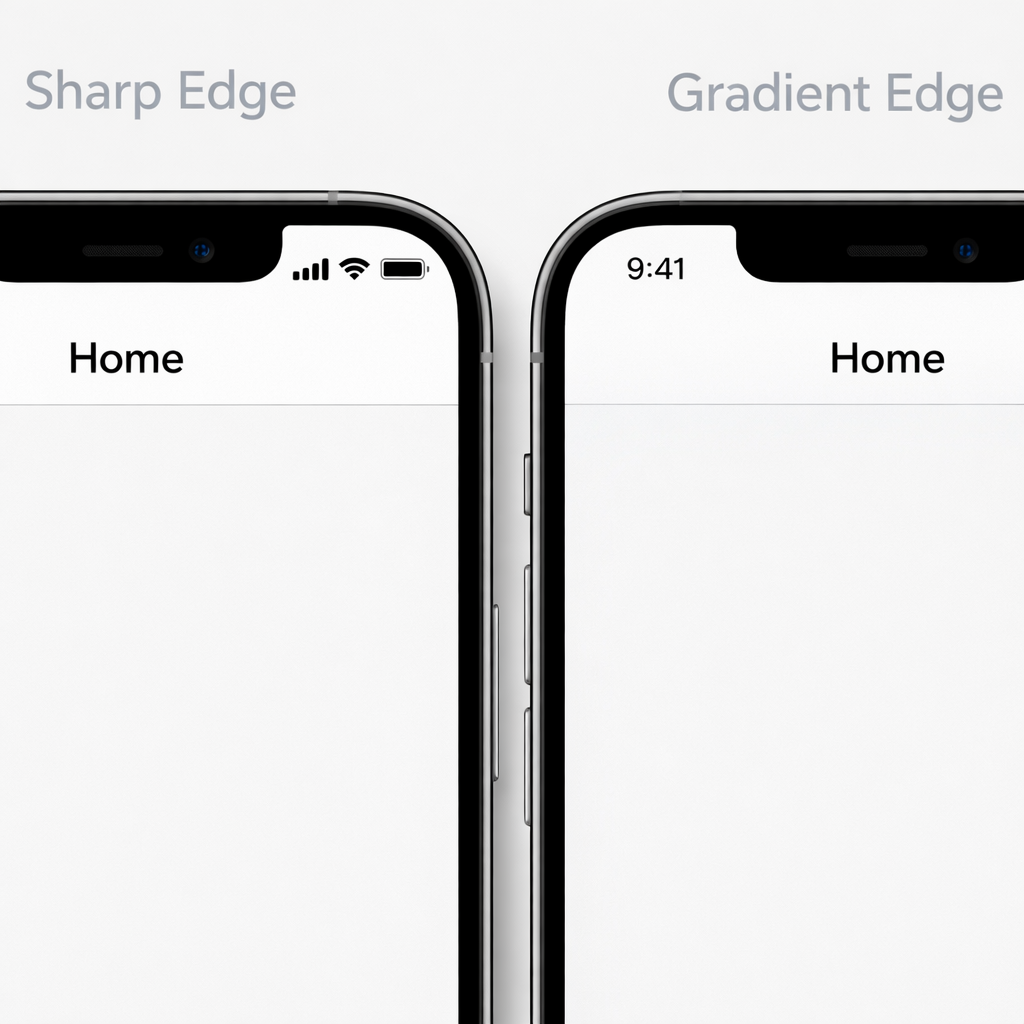
Within the newest beta, Apple is quietly reintroducing iOS 26’s softer scroll-edge gradient—this effect becomes visible when Liquid Glass transparency is set to 25% or below, and only applies to the default or “auto” style. Code flags like UIKit/clear_glass_soft_pocket currently disable this feature by default, meaning users won’t yet see the change until the toggle is enabled. The tweak restores a gentler fade at the top edge of scrollable views, replacing the sharp cut-off introduced in recent versions.
The adjustment affects any app using Apple’s built-in UI defaults; third-party apps with custom navigation bars or non-standard glass settings won’t be impacted. When the feature is engaged, it revives a design from iOS 26, where the edge of a scrolling list fades naturally into the status bar instead of stopping abruptly.
Why this refinement matters
Liquid Glass has been one of the most visible — and controversial — design changes in recent iOS updates. Since iOS 27’s launch, many users have criticized how the newer implementation emphasizes sharp edges and contrast under certain transparency settings. By softly reintroducing the older scroll-edge gradient under specific settings, Apple appears to be listening to feedback and allowing more fine-tuning of visual style.
That said, this is not a sweeping overhaul. The feature is off by default, and only becomes noticeable under defined transparency levels. It’s a precision adjustment rather than a reversion to the old full-system style. Still, its presence in the beta suggests Apple considers aesthetics and usability equally important in navigating change.
What to watch going forward: whether Apple enables this softer edge by default, how visually consistent it will feel across system-wide interfaces, and whether users will have more control over Liquid Glass’s strength and edge behavior. It may also forecast broader design flexibility in future updates — especially as users grow more discerning about visual clashing in varied lighting and background settings.
In short: iOS 27.3 beta’s small tweak doesn’t overhaul Liquid Glass, but it’s a clear signal that Apple is fine-tuning its controversial transparency design. That could mean a more balanced visual experience for those who felt left out of its earlier versions.