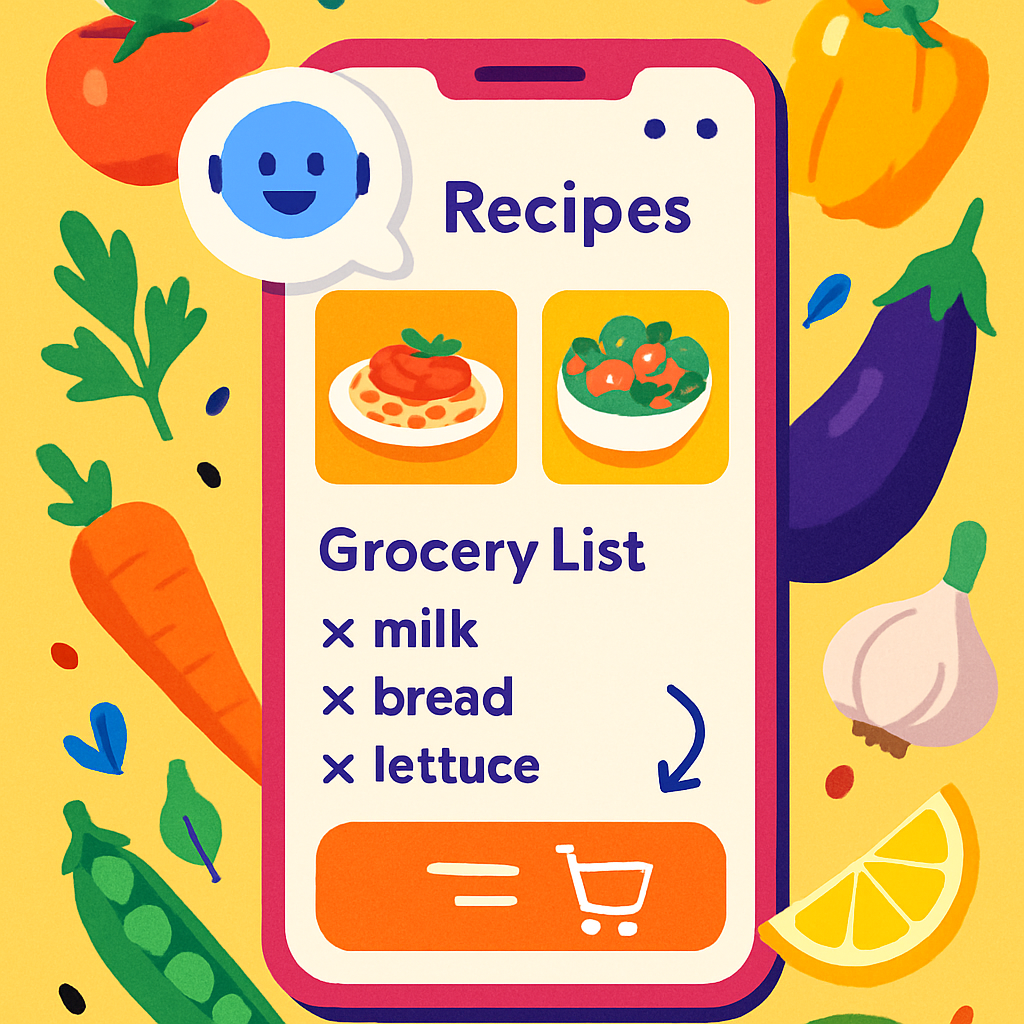
Instacart has introduced Clementine, a new AI-powered grocery shopping assistant designed to turn conversational prompts, lists, or recipes into complete shopping carts. The tool lets users specify criteria—like easy dinners for two, high-protein meals, or budget-friendly lunches—to receive personalized meal ideas and pre-built carts based on their needs. Clementine also lets users order their usual favorites simply by saying so.
Clementine doesn’t just stop at meal suggestions. It can generate recipe ideas or surface recipes from reliable publishers, and it customizes suggestions according to dietary restrictions—such as gluten-free, vegetarian, nut-free, or organic preferences. Offers and promotions are integrated, and the assistant can suggest less expensive alternative items. Users also have the flexibility to upload a handwritten or screenshot grocery list, which Clementine will convert into a ready-to-checkout cart.
AI Grocery Competition Heats Up
This move places Instacart alongside other delivery apps embracing AI-driven shopping tools. Companies like Uber Eats and DoorDash have already rolled out features that turn natural language or list inputs into personalized grocery carts. The shift signals that grocery apps are no longer just about delivery—they’re increasingly becoming decision-making tools that help with meal planning, budgeting, and staying inside users’ routines.
Instacart positions Clementine as partly a response to consumers relying more on external AI chatbots for shopping or recipe advice. By building the assistant directly into its platform, the company aims to keep users within its ecosystem for both shopping and meal planning.
Clementine is now live in the U.S. and Canada.
What this means: Grocery shopping is transforming rapidly. AI assistants like Clementine are bringing planning and buying into a single flow—to meet demand for more intuitive, time-saving services. For Instacart, this strengthens its role beyond delivery and into everyday household decision-making. Moving forward, watch whether this changes how people plan meals, how much they spend, and how often they lean on AI instead of search engines or general-purpose bots.