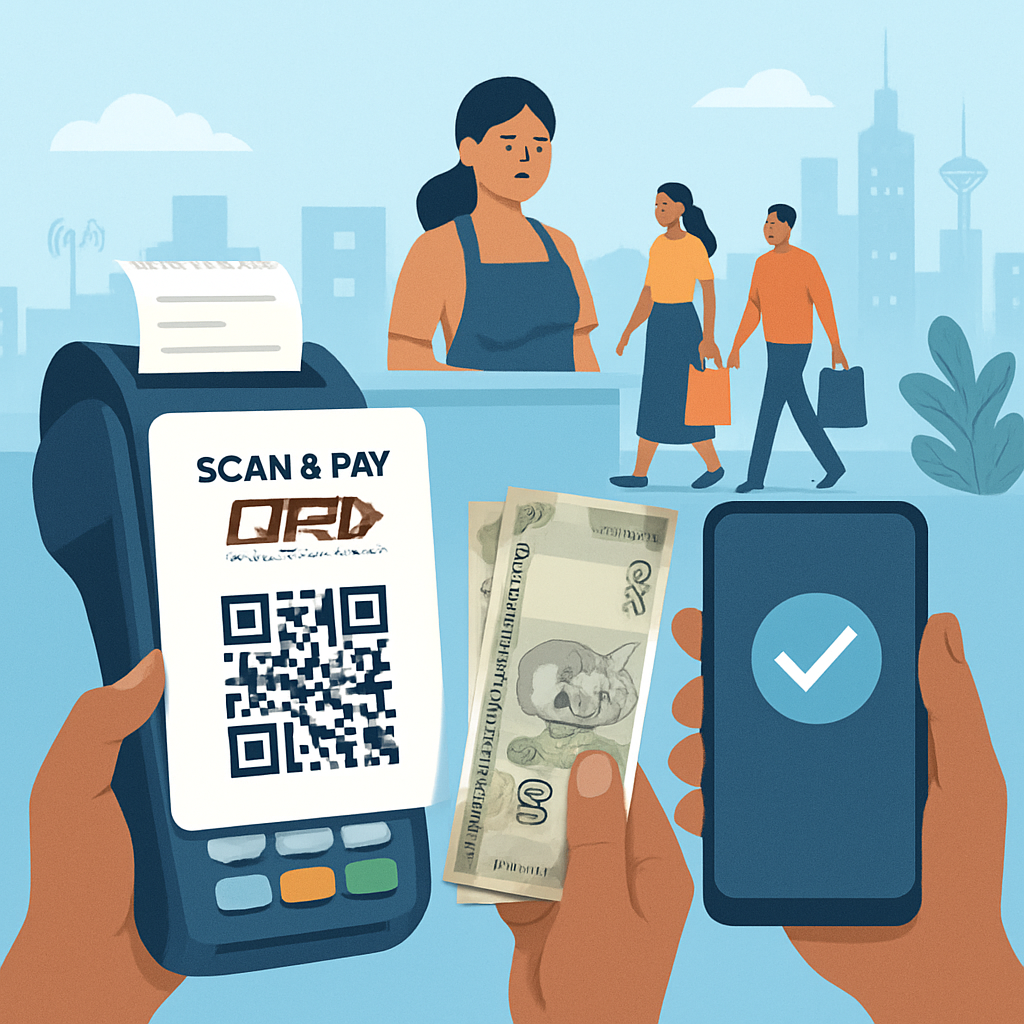
The National Payments Corporation of India (NPCI) has delayed the introduction of a 0.4% fee on certain merchant transactions over the Unified Payments Interface (UPI), citing concerns about the upcoming festive season. Originally set to begin on October 15, the charge applies to digital payments above ₹2,000 (roughly $21) — but now implementation is being postponed until after Diwali. No firm new date has been announced yet.
Why the fee was proposed
UPI has become India’s central digital payments system, supporting transactions via platforms such as Google Pay, PhonePe, and Paytm. Historically, these platforms—along with merchants—haven’t been charged for UPI usage, thanks to past government policies that encouraged digital payments by eliminating merchant fees. The new fee aims to generate revenue to help cover NPCI’s operational costs, including infrastructure upkeep, cybersecurity, and fraud prevention. NPCI estimates these costs to be roughly ₹200 billion annually (about $2.1 billion).
To ease the burden, NPCI’s plan includes exemptions: merchants handling less than ₹100,000 a month via UPI wouldn’t be subject to the fee, and for transactions under ₹2,000, no fee would apply. Additionally, the fee on larger transactions would be capped at ₹300 (around $3).
Retailer resistance plays a role
The proposal sparked strong opposition from retailers—especially small businesses and petrol pumps—who warned that the fee could force them to stop accepting digital payments. With Diwali approaching, merchants push back grew louder. In light of this, NPCI opted to postpone the rollout to avoid disruption during one of the year’s biggest shopping seasons.
UPI handled over 24 billion transactions worth approximately ₹29.37 trillion (~$305 billion) in September alone. Against that backdrop, charges on merchant UPI usage mark a significant policy shift. Though the government lifted merchant fees back in January 2020 to foster digital payments adoption, those previous policies kept UPI largely free for businesses and consumers alike.
The fee model, once in effect, would generate funds shared across the UPI ecosystem—among banks, payment providers, and NPCI itself—to offset growing costs as the network expands.
Prior to this, NPCI had also made moves to extend UPI beyond India’s borders, with licensing and international operations already active in countries like Singapore, the UAE, and France.
India’s decision to delay the UPI merchant fee demonstrates sensitivity to merchant concerns and recognizes how critical the festive season is for consumer spending. What remains to be seen is when the fee will be implemented, whether the policy will be adjusted further, and how merchants will respond if the new charges take effect after Diwali. This moment reflects a broader tension facing digital payments platforms globally: as volumes surge, so do the costs of operating and securing networks—forcing governments and payment operators to reconsider who bears the burden.