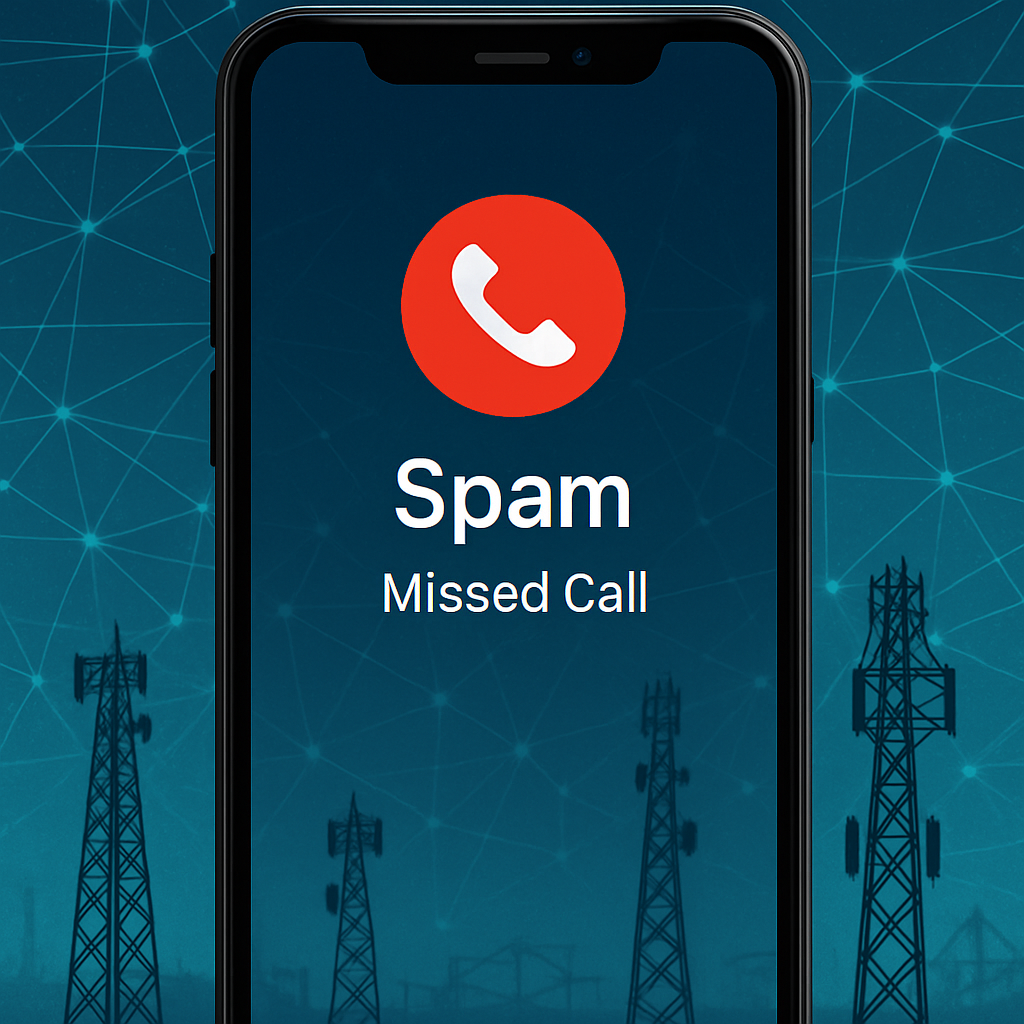
India’s telecom watchdog has updated its anti-spam rules to force caller-ID and call-management apps to provide spam reports from users directly to telecom operators. The change is designed to expand the dataset available to fight fraud, leveraging a new blockchain-based platform owned by the country’s telcos. The move has drawn criticism, particularly from Truecaller, which contends that the regulation hands over proprietary data in an unfair manner.
The Telecom Regulatory Authority of India (TRAI) has amended rules for commercial voice communications. Apps that allow users to flag incoming calls as spam or junk must now forward those reports to the telcos’ blockchain platform, which tracks commercial calls and enforces anti-spam standards. This aims to unify separate anti-spam systems by merging user reports with industry-level enforcement efforts. However, the law stops short of allowing these apps to universally label or block calls from certain government-designated number ranges; users must do this individually if they choose to. Apps must still comply with existing exemptions for numbers used for service, promotional, and transactional communications.
Truecaller, headquartered in Stockholm, says India is its biggest market, with over 350 million users there out of more than 500 million monthly active users globally. The company cites automated detection, community reports, and signal-based filtering to identify spam. In 2025 alone, its users in India reported some 42 billion spam calls—those they ignored, labeled, or had blocked. Of those, nearly 12 billion were actively blocked by Truecaller. Despite its cooperation, the company regards the new sharing requirements as one-sided and anti-competitive because they funnel valuable reporting data from apps like theirs to telecom operators. It also objects to a lingering exemption that prevents apps from auto-labelling or blocking certain government-designated numbers, saying it undermines the anti-spam fight.
New rules for AI-driven and automated calls
Alongside spam-report sharing, the amendments tackle calls made using software or AI voice agents. Previously, these were often outside the telecom regulator’s Application-to-Person (A2P) framework. Now, any automated or prerecorded call made without a person directly dialing must be declared in advance to operators and its source disclosed. Failure to register such calls renders them eligible for spam enforcement. Certain number ranges, still exempted under the rules, are not subject to extra charges; otherwise, telecom operators may impose a termination charge up to five paise per minute on unregistered automated calls.
Experts say the core issue is how these calls are initiated. If a human starts an AI-aided call, distinguishing it from fully automated systems may be tricky. Consultancies point out that enforcement standards, data retention, privacy, and consent are still areas of ambiguity. It’s unclear what specifics the apps will need to share: whether individual user reports, raw analytics, or reputation signals. Apps built into phone systems—like Android’s dialer or iOS built-in features—may also be under the same requirement, though confirmations are pending.
The outcome of these rules will depend heavily on the detailed implementation. Key open questions include what constitutes ‘reportable’ data, how consent is gathered, what privacy protections are guaranteed, and how telecom operators will handle and potentially monetize the information collected from third-party apps.
For apps, these regulations present both a challenge and an opportunity. Mandated data sharing with telcos could level the enforcement playing field but also reduce the differentiation value of proprietary spam-filtering technologies. The regulations push AI-based and automated calling platforms to greater transparency, but also risk overreach if not carefully bounded. What to watch: how TRAI defines reportable data, who controls the blockchain registry, and whether these new rules lead to fewer spam calls—or instead concentrate power with telecom operators.